
Indian Chicken Curry - Chettinad Recipe Revealed
Indian Chicken Curry - Chettinad Recipe Revealed

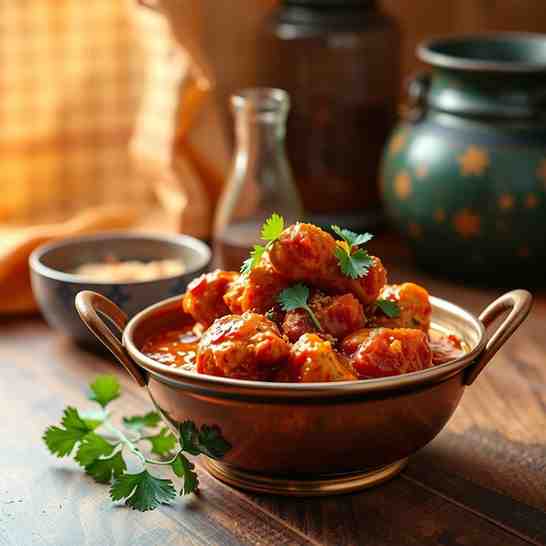
- Serves: 6 People
- Prepare Time: 25 minutes
- Cooking Time: 40 minutes
- Calories: -
- Difficulty: Medium
Craving a truly authentic Indian chicken curry that explodes with flavor? Look no further than this incredible Chettinad Chicken Curry recipe! Hailing from the vibrant Chettinad region of Tamil Nadu, South India, this dish isn't your average curry. It’s a bold, aromatic, and deeply satisfying experience, known for its distinctive peppery kick, rich toasted spices, and the unmistakable fragrance of fresh curry leaves.
What makes this recipe truly "Chettinad" is the magic of freshly toasted whole spices, combined with creamy coconut and those essential fresh curry leaves. This isn't just another chicken coconut milk recipe; it's a journey into the heart of chettinad indian cuisine, designed to bring the complex flavors of authentic Indian dishes right to your kitchen. We’ll show you exactly how to cook Indian food that tastes like it came from a five-star restaurant, without needing any fancy equipment.
This recipe is tailor-made for home cooks who want to master a real South Indian food classic. Whether you're a beginner eager to explore new spices to season chicken or an experienced cook looking for the best chicken spice blend to elevate your curry game, you'll find everything you need here. Get ready to transform simple ingredients into a show-stopping indian chicken curry that will impress everyone at your table!
Ingredients
Directions
- Marinate the Chicken: In a large bowl, combine the chicken pieces with salt, turmeric powder, and fresh lemon juice (or yogurt). Mix well to ensure every piece is coated. Cover the bowl and let it marinate for at least 30 minutes at room temperature, or up to 4 hours in the refrigerator. Marinating helps tenderize the chicken and infuse it with initial flavors. If you're short on time, even a 15-minute marinade makes a difference.
- Toast the Spices + Coconut (Don’t Burn It!): Heat a small, dry skillet over medium-low heat. Add the whole spices for the masala paste (black peppercorns, fennel seeds, coriander seeds, cumin seeds, dried red chilies, cinnamon stick, cardamom pods, cloves, star anise, and optional stone flower). Toast them gently for 2-3 minutes until they become fragrant. You'll smell their aroma and they might lightly darken in color—this is the "big spices" stage.
- Next, add the grated coconut (or soaked shredded coconut) to the same skillet. Continue toasting for another 2-4 minutes, stirring constantly, until the coconut is lightly golden and fragrant. Be very careful not to burn it, as burnt spices or coconut will make your curry bitter. The goal is warm and aromatic, not smoking. Remove from heat and let cool slightly.
- Grind the Masala Paste: Transfer the toasted spices and coconut to a blender or spice grinder. Add ¼ cup of water (or coconut milk). Grind until you have a very fine, smooth paste. The finer the paste, the silkier your curry will be. If it’s too thick to blend, add another tablespoon or two of water, but use as little liquid as possible to achieve a smooth consistency.
- Build the Base: Heat the gingelly oil (or neutral oil) in a heavy-bottom pot or Dutch oven over medium heat. Once hot, add about half of the fresh curry leaves and let them sizzle for a few seconds until fragrant – this blooms their flavor.
- Add the thinly sliced onions (or shallots) and a pinch of salt. Cook, stirring occasionally, for 8-10 minutes until they turn a deep golden brown and are nicely caramelized. This color is crucial for the curry's depth of flavor.
- Stir in the ginger-garlic paste and cook for 1-2 minutes until fragrant, ensuring it doesn't burn.
- Add the chopped or crushed tomatoes and cook for another 5-7 minutes, stirring frequently, until the tomatoes break down and the mixture thickens into a paste-like consistency, and the oil starts to separate from the sides.
- Simmer the Curry: Add the marinated chicken pieces to the pot and stir well to coat them thoroughly with the onion-tomato base. Cook for 3-5 minutes until the chicken is lightly seared on all sides.
- Now, add the ground Chettinad masala paste to the pot. Stir well to combine with the chicken and base, cooking for 2-3 minutes until the raw smell of the spices disappears and the paste darkens slightly.
- Pour in 1.5 cups of water (or chicken broth), scraping any bits from the bottom of the pot. Bring the curry to a gentle simmer, then reduce the heat to low, cover the pot, and cook for 20-30 minutes, or until the chicken is tender and cooked through. The curry should gently thicken. The internal temperature of the chicken should reach 165°F (74°C) for safety.
- Finish + Balance: Once the chicken is tender, uncover the pot. If the curry is too thin, increase the heat slightly and simmer uncovered for a few more minutes to reduce. If it’s too thick, add a splash more hot water or coconut milk.
- Taste and adjust for salt. Stir in a squeeze of fresh lime juice for brightness, and a final handful of fresh curry leaves. You can also add a sprinkle of fresh chopped cilantro for garnish. For an extra silky finish, you can stir in a small splash of canned coconut milk at this stage (this doesn't change the core recipe but adds richness). Serve hot.
Indian Chicken Curry - Chettinad Recipe Revealed
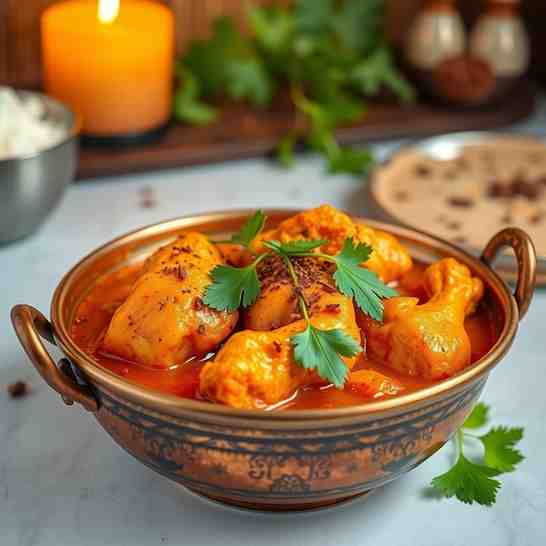
- Serves: 6 People
- Prepare Time: 25 minutes
- Cooking Time: 40 minutes
- Calories: -
- Difficulty: Medium
Craving a truly authentic Indian chicken curry that explodes with flavor? Look no further than this incredible Chettinad Chicken Curry recipe! Hailing from the vibrant Chettinad region of Tamil Nadu, South India, this dish isn't your average curry. It’s a bold, aromatic, and deeply satisfying experience, known for its distinctive peppery kick, rich toasted spices, and the unmistakable fragrance of fresh curry leaves.
What makes this recipe truly "Chettinad" is the magic of freshly toasted whole spices, combined with creamy coconut and those essential fresh curry leaves. This isn't just another chicken coconut milk recipe; it's a journey into the heart of chettinad indian cuisine, designed to bring the complex flavors of authentic Indian dishes right to your kitchen. We’ll show you exactly how to cook Indian food that tastes like it came from a five-star restaurant, without needing any fancy equipment.
This recipe is tailor-made for home cooks who want to master a real South Indian food classic. Whether you're a beginner eager to explore new spices to season chicken or an experienced cook looking for the best chicken spice blend to elevate your curry game, you'll find everything you need here. Get ready to transform simple ingredients into a show-stopping indian chicken curry that will impress everyone at your table!
Ingredients
Directions
- Marinate the Chicken: In a large bowl, combine the chicken pieces with salt, turmeric powder, and fresh lemon juice (or yogurt). Mix well to ensure every piece is coated. Cover the bowl and let it marinate for at least 30 minutes at room temperature, or up to 4 hours in the refrigerator. Marinating helps tenderize the chicken and infuse it with initial flavors. If you're short on time, even a 15-minute marinade makes a difference.
- Toast the Spices + Coconut (Don’t Burn It!): Heat a small, dry skillet over medium-low heat. Add the whole spices for the masala paste (black peppercorns, fennel seeds, coriander seeds, cumin seeds, dried red chilies, cinnamon stick, cardamom pods, cloves, star anise, and optional stone flower). Toast them gently for 2-3 minutes until they become fragrant. You'll smell their aroma and they might lightly darken in color—this is the "big spices" stage.
- Next, add the grated coconut (or soaked shredded coconut) to the same skillet. Continue toasting for another 2-4 minutes, stirring constantly, until the coconut is lightly golden and fragrant. Be very careful not to burn it, as burnt spices or coconut will make your curry bitter. The goal is warm and aromatic, not smoking. Remove from heat and let cool slightly.
- Grind the Masala Paste: Transfer the toasted spices and coconut to a blender or spice grinder. Add ¼ cup of water (or coconut milk). Grind until you have a very fine, smooth paste. The finer the paste, the silkier your curry will be. If it’s too thick to blend, add another tablespoon or two of water, but use as little liquid as possible to achieve a smooth consistency.
- Build the Base: Heat the gingelly oil (or neutral oil) in a heavy-bottom pot or Dutch oven over medium heat. Once hot, add about half of the fresh curry leaves and let them sizzle for a few seconds until fragrant – this blooms their flavor.
- Add the thinly sliced onions (or shallots) and a pinch of salt. Cook, stirring occasionally, for 8-10 minutes until they turn a deep golden brown and are nicely caramelized. This color is crucial for the curry's depth of flavor.
- Stir in the ginger-garlic paste and cook for 1-2 minutes until fragrant, ensuring it doesn't burn.
- Add the chopped or crushed tomatoes and cook for another 5-7 minutes, stirring frequently, until the tomatoes break down and the mixture thickens into a paste-like consistency, and the oil starts to separate from the sides.
- Simmer the Curry: Add the marinated chicken pieces to the pot and stir well to coat them thoroughly with the onion-tomato base. Cook for 3-5 minutes until the chicken is lightly seared on all sides.
- Now, add the ground Chettinad masala paste to the pot. Stir well to combine with the chicken and base, cooking for 2-3 minutes until the raw smell of the spices disappears and the paste darkens slightly.
- Pour in 1.5 cups of water (or chicken broth), scraping any bits from the bottom of the pot. Bring the curry to a gentle simmer, then reduce the heat to low, cover the pot, and cook for 20-30 minutes, or until the chicken is tender and cooked through. The curry should gently thicken. The internal temperature of the chicken should reach 165°F (74°C) for safety.
- Finish + Balance: Once the chicken is tender, uncover the pot. If the curry is too thin, increase the heat slightly and simmer uncovered for a few more minutes to reduce. If it’s too thick, add a splash more hot water or coconut milk.
- Taste and adjust for salt. Stir in a squeeze of fresh lime juice for brightness, and a final handful of fresh curry leaves. You can also add a sprinkle of fresh chopped cilantro for garnish. For an extra silky finish, you can stir in a small splash of canned coconut milk at this stage (this doesn't change the core recipe but adds richness). Serve hot.
You may also like

Hey there! I’m just someone who seriously loves good food and believes that cooking doesn’t have to be complicated to be amazing. Whether it’s a quick weeknight dinner or a cozy weekend meal, I’m all about sharing easy, tasty recipes that actually work.