
Indian Curry - Creamy Coconut-Cashew Shrimp
Indian Curry - Creamy Coconut-Cashew Shrimp
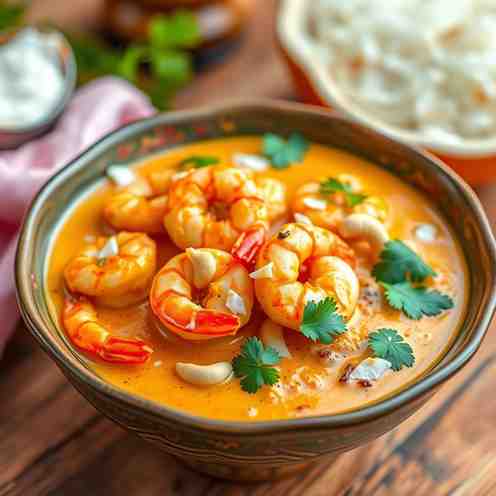
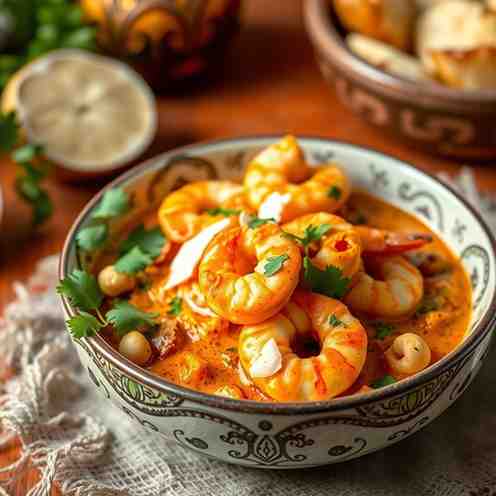
- Serves: 4 People
- Prepare Time: 35 minutes
- Cooking Time: 30 minutes
- Calories: -
- Difficulty: Medium
Ever wished you could whip up that rich, creamy, restaurant-quality Indian shrimp curry right in your own kitchen? Well, get ready, because this authentic Indian curry recipe is about to make those dreams a delicious reality! We're talking tender shrimp bathed in a silky, aromatic sauce, thanks to perfectly toasted spices, a slow-cooked onion base, and a luxurious cashew cream finish. This isn't just another traditional Indian curry recipe; it's designed to bring the vibrant flavors of Indian restaurant recipes right to your dinner table. It might taste fancy, but it's surprisingly weeknight-friendly and perfect for home cooks of all levels looking to make Indian food at home. Serve it up with fluffy basmati rice or warm naan for an unforgettable Indian meal recipe that proves homemade Indian dishes can truly shine.
Achieving that deep, complex flavor you find in your favorite Indian restaurant isn't magic; it's all about technique and understanding a few key elements. This authentic Indian curry recipe focuses on building layers of flavor that make all the difference.
The "Masala Base" Idea in Plain English: This is the heart and soul of many Indian style recipes. It starts with slowly cooking down onions until they're deeply golden and sweet, then adding a fragrant blend of ginger, garlic, and spices. We cook this mixture until all the raw spice flavor mellows and the oil separates, creating a rich, aromatic foundation that gives your curry incredible depth. Think of it as the flavor canvas for your masterpiece.
Why Cashews Change the Texture: This is one of our secret weapons for that luxurious, silky finish. Blended raw cashews create a creamy, slightly sweet paste that thickens the sauce beautifully without relying on heavy cream. It adds an unparalleled richness and a velvety texture that feels incredibly indulgent, just like the best Indian restaurant recipes.
Why Coconut Milk is Added at the End: Unlike some recipes where coconut milk simmers for ages, we add ours, along with the cashew cream, right at the end and keep it off a rolling boil. This prevents the coconut milk from "breaking" or separating, ensuring your sauce stays beautifully creamy and smooth. It’s a simple trick that maintains that luscious consistency.
These short, practical tips will help you navigate your grocery store like a pro and ensure your homemade Indian dishes turn out perfectly every time.
Shrimp: For the best texture, opt for large (21/25 count) or jumbo (16/20 count) shrimp. Always buy them peeled and deveined to save time, whether fresh or frozen. If using frozen, thaw them completely in the fridge overnight or under cold running water before cooking.
Coconut Milk: This is crucial for a creamy coconut milk curry. Always use canned "full-fat" coconut milk, not the "lite" version, which will result in a watery curry. Coconut cream (often sold in smaller cans) is even richer and can be used for an extra-decadent sauce, but full-fat milk is perfectly fine. Avoid refrigerated coconut beverages meant for drinking, as they lack the necessary fat and thickness.
Cashews: Raw cashews are preferred for their neutral flavor and ability to blend into a smooth cream. You can find them in the baking aisle or bulk section. For a quick-soak method, cover them with boiling water for 15-20 minutes, then drain and rinse. Make sure your blender is powerful enough to get them "heavy cream smooth" – a high-speed blender is ideal, but a regular blender will work with a bit more patience and scraping.
Curry Leaves: These fresh, aromatic leaves are a hallmark of South Indian cooking and add a distinct, warm flavor. Look for them in Indian grocery stores or the specialty produce section of larger supermarkets. Store them in an airtight container in the fridge for up to a week, or freeze them for longer. If unavailable, a tiny pinch of dried fenugreek leaves (kasoori methi) can offer a hint of similar earthiness, but there's no perfect substitute.
Chiles + Spice Heat: We'll use Kashmiri red chili powder for its vibrant color and mild heat, or paprika for a similar effect without any heat. If you like more spice, add a finely minced green serrano or jalapeño chile along with the ginger and garlic. For a medium heat, stick to the recipe as written and adjust to your preference.
Large skillet or sauté pan with a tight-fitting lid
Blender (for cashew cream) or an immersion blender
Microplane or sharp knife for ginger and garlic
Ingredients
Directions
- Make the Cashew Cream:
- Place the raw cashews in a small bowl and cover them with ½ cup of hot water. Let them soak for at least 15-20 minutes (or up to 30 minutes if you have time).
- Drain the cashews, reserving the soaking water. Transfer the soaked cashews to a blender with ¼ cup of fresh water. Blend until completely smooth, like heavy cream, adding a tablespoon of the reserved soaking water at a time if needed, until you reach a silky consistency. Set aside.
- Build the Masala Base:
- Heat the neutral oil in a large skillet or sauté pan with a lid over medium heat. Once shimmering, add the whole cumin seeds and dried red chiles (if using). Toast for about 30 seconds until fragrant and the cumin seeds sizzle.
- Add the finely chopped onion and cook, stirring occasionally, for 8-10 minutes, or until the onion is deep golden brown and very soft. This slow cooking is key to developing a rich flavor.
- Stir in the grated ginger, garlic, and curry leaves. Cook for 1 minute until fragrant.
- Add the turmeric powder, Kashmiri red chili powder (or paprika), ground coriander, and garam masala. Cook, stirring constantly, for 1-2 minutes, allowing the spices to toast and cook out their raw flavor. If the pan seems too dry, add a tiny splash of water.
- Simmer the Sauce:
- Stir in the tomato paste. Cook, stirring, for 3-4 minutes, pressing it into the pan, until it darkens in color and looks "jammy." This removes the raw tomato flavor.
- Pour in ½ cup of water or vegetable stock. Bring to a gentle simmer, then reduce the heat to low, cover, and let it cook for 5-7 minutes, allowing the flavors to meld and the sauce to thicken slightly.
- Finish the Curry:
- Uncover the pan. Increase the heat to medium-low. Add the peeled and deveined shrimp to the sauce. Cook for 2-3 minutes, stirring gently, until the shrimp just start to turn pink and opaque. Don't overcook them!
- Remove the pan from the heat. Stir in the full-fat coconut milk and the prepared cashew cream. Stir until well combined. The sauce should be creamy and smooth.
- Taste the curry. Add salt as needed, starting with ½ teaspoon and adjusting to your preference. Stir in the lime juice. This brightens the flavors and balances the richness. Add more if desired.
- Serving:
- Serve your creamy coconut-cashew shrimp curry immediately, garnished with fresh cilantro if you like. It's absolutely perfect with fluffy basmati rice, which soaks up all that delicious sauce, or with warm naan bread for dipping. For a quick side, a simple cucumber yogurt raita or sautéed spinach would be fantastic.
Indian Curry - Creamy Coconut-Cashew Shrimp

- Serves: 4 People
- Prepare Time: 35 minutes
- Cooking Time: 30 minutes
- Calories: -
- Difficulty: Medium
Ever wished you could whip up that rich, creamy, restaurant-quality Indian shrimp curry right in your own kitchen? Well, get ready, because this authentic Indian curry recipe is about to make those dreams a delicious reality! We're talking tender shrimp bathed in a silky, aromatic sauce, thanks to perfectly toasted spices, a slow-cooked onion base, and a luxurious cashew cream finish. This isn't just another traditional Indian curry recipe; it's designed to bring the vibrant flavors of Indian restaurant recipes right to your dinner table. It might taste fancy, but it's surprisingly weeknight-friendly and perfect for home cooks of all levels looking to make Indian food at home. Serve it up with fluffy basmati rice or warm naan for an unforgettable Indian meal recipe that proves homemade Indian dishes can truly shine.
Achieving that deep, complex flavor you find in your favorite Indian restaurant isn't magic; it's all about technique and understanding a few key elements. This authentic Indian curry recipe focuses on building layers of flavor that make all the difference.
The "Masala Base" Idea in Plain English: This is the heart and soul of many Indian style recipes. It starts with slowly cooking down onions until they're deeply golden and sweet, then adding a fragrant blend of ginger, garlic, and spices. We cook this mixture until all the raw spice flavor mellows and the oil separates, creating a rich, aromatic foundation that gives your curry incredible depth. Think of it as the flavor canvas for your masterpiece.
Why Cashews Change the Texture: This is one of our secret weapons for that luxurious, silky finish. Blended raw cashews create a creamy, slightly sweet paste that thickens the sauce beautifully without relying on heavy cream. It adds an unparalleled richness and a velvety texture that feels incredibly indulgent, just like the best Indian restaurant recipes.
Why Coconut Milk is Added at the End: Unlike some recipes where coconut milk simmers for ages, we add ours, along with the cashew cream, right at the end and keep it off a rolling boil. This prevents the coconut milk from "breaking" or separating, ensuring your sauce stays beautifully creamy and smooth. It’s a simple trick that maintains that luscious consistency.
These short, practical tips will help you navigate your grocery store like a pro and ensure your homemade Indian dishes turn out perfectly every time.
Shrimp: For the best texture, opt for large (21/25 count) or jumbo (16/20 count) shrimp. Always buy them peeled and deveined to save time, whether fresh or frozen. If using frozen, thaw them completely in the fridge overnight or under cold running water before cooking.
Coconut Milk: This is crucial for a creamy coconut milk curry. Always use canned "full-fat" coconut milk, not the "lite" version, which will result in a watery curry. Coconut cream (often sold in smaller cans) is even richer and can be used for an extra-decadent sauce, but full-fat milk is perfectly fine. Avoid refrigerated coconut beverages meant for drinking, as they lack the necessary fat and thickness.
Cashews: Raw cashews are preferred for their neutral flavor and ability to blend into a smooth cream. You can find them in the baking aisle or bulk section. For a quick-soak method, cover them with boiling water for 15-20 minutes, then drain and rinse. Make sure your blender is powerful enough to get them "heavy cream smooth" – a high-speed blender is ideal, but a regular blender will work with a bit more patience and scraping.
Curry Leaves: These fresh, aromatic leaves are a hallmark of South Indian cooking and add a distinct, warm flavor. Look for them in Indian grocery stores or the specialty produce section of larger supermarkets. Store them in an airtight container in the fridge for up to a week, or freeze them for longer. If unavailable, a tiny pinch of dried fenugreek leaves (kasoori methi) can offer a hint of similar earthiness, but there's no perfect substitute.
Chiles + Spice Heat: We'll use Kashmiri red chili powder for its vibrant color and mild heat, or paprika for a similar effect without any heat. If you like more spice, add a finely minced green serrano or jalapeño chile along with the ginger and garlic. For a medium heat, stick to the recipe as written and adjust to your preference.
Large skillet or sauté pan with a tight-fitting lid
Blender (for cashew cream) or an immersion blender
Microplane or sharp knife for ginger and garlic
Ingredients
Directions
- Make the Cashew Cream:
- Place the raw cashews in a small bowl and cover them with ½ cup of hot water. Let them soak for at least 15-20 minutes (or up to 30 minutes if you have time).
- Drain the cashews, reserving the soaking water. Transfer the soaked cashews to a blender with ¼ cup of fresh water. Blend until completely smooth, like heavy cream, adding a tablespoon of the reserved soaking water at a time if needed, until you reach a silky consistency. Set aside.
- Build the Masala Base:
- Heat the neutral oil in a large skillet or sauté pan with a lid over medium heat. Once shimmering, add the whole cumin seeds and dried red chiles (if using). Toast for about 30 seconds until fragrant and the cumin seeds sizzle.
- Add the finely chopped onion and cook, stirring occasionally, for 8-10 minutes, or until the onion is deep golden brown and very soft. This slow cooking is key to developing a rich flavor.
- Stir in the grated ginger, garlic, and curry leaves. Cook for 1 minute until fragrant.
- Add the turmeric powder, Kashmiri red chili powder (or paprika), ground coriander, and garam masala. Cook, stirring constantly, for 1-2 minutes, allowing the spices to toast and cook out their raw flavor. If the pan seems too dry, add a tiny splash of water.
- Simmer the Sauce:
- Stir in the tomato paste. Cook, stirring, for 3-4 minutes, pressing it into the pan, until it darkens in color and looks "jammy." This removes the raw tomato flavor.
- Pour in ½ cup of water or vegetable stock. Bring to a gentle simmer, then reduce the heat to low, cover, and let it cook for 5-7 minutes, allowing the flavors to meld and the sauce to thicken slightly.
- Finish the Curry:
- Uncover the pan. Increase the heat to medium-low. Add the peeled and deveined shrimp to the sauce. Cook for 2-3 minutes, stirring gently, until the shrimp just start to turn pink and opaque. Don't overcook them!
- Remove the pan from the heat. Stir in the full-fat coconut milk and the prepared cashew cream. Stir until well combined. The sauce should be creamy and smooth.
- Taste the curry. Add salt as needed, starting with ½ teaspoon and adjusting to your preference. Stir in the lime juice. This brightens the flavors and balances the richness. Add more if desired.
- Serving:
- Serve your creamy coconut-cashew shrimp curry immediately, garnished with fresh cilantro if you like. It's absolutely perfect with fluffy basmati rice, which soaks up all that delicious sauce, or with warm naan bread for dipping. For a quick side, a simple cucumber yogurt raita or sautéed spinach would be fantastic.
You may also like



Hey there! I’m just someone who seriously loves good food and believes that cooking doesn’t have to be complicated to be amazing. Whether it’s a quick weeknight dinner or a cozy weekend meal, I’m all about sharing easy, tasty recipes that actually work.