
Ivorian Gboman Recipe - African Meal
Ivorian Gboman Recipe - African Meal

- Serves: 4 People
- Prepare Time: 15 minutes
- Cooking Time: 55 minutes
- Calories: -
- Difficulty: Medium
Welcome to a truly special culinary journey! If you're looking to explore vibrant african food recipes, you've come to the right place. Today, we're diving into the heart of Côte d'Ivoire with an authentic Gboman recipe. This isn't just any african meal recipe; it's a cozy, flavorful Ivorian stew brimming with tender beef, lush leafy greens, ripe tomatoes, and aromatic spices, traditionally enjoyed with a generous serving of rice or other beloved West African starches. Forget complicated ingredients – you can absolutely make this delicious african dish recipe right in your home kitchen, sourcing most items from your regular grocery store, with maybe just a quick trip to a small African or Caribbean market for that extra traditional touch. Get ready to experience the rich, comforting flavors of West Africa!
Gboman, sometimes called gboma, refers to leafy greens derived from the gboma eggplant family, a staple across West Africa. In Côte d'Ivoire, these greens are transformed into rich, saucy stews that are a cornerstone of their cuisine, often served with rice, attiéké (fermented cassava couscous), foutou, or placali.
It’s important to clarify that while this is a leafy stew, it's distinct from other regional dishes:
Gboman (leafy stew): The Ivorian style we're making today, typically a beef or fish stew with greens, served with rice or other starches.
Gboma Dessi: This is a Togolese-style spinach, tomato, and beef stew, frequently served with akoumé (cornmeal paste). While similar, the regional preparations and common accompaniments differ.
Sauce Gombo/Kopè: This is an okra-based stew, also popular in Ivorian cuisine, but it has a different texture and flavor profile due to the okra.
This recipe follows a classic Côte d’Ivoire-style leafy beef stew, adapted slightly for a modern home kitchen without compromising its authentic taste.
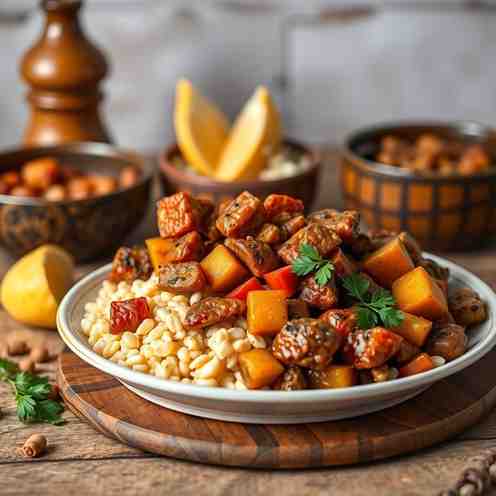
Image suggestion & alt text note: Hero image: a wide bowl of gboman stew with beef and rice. Alt text idea: `Authentic Côte d’Ivoire gboman leafy beef stew served with white rice in a shallow bowl`.
Ingredients
Directions
- Before You Start – Prep & Gear (10–15 Minutes)
- Wash and chop your chosen greens thoroughly.
- Cut the beef into even, bite-sized pieces for consistent cooking.
- Dice onions, mince garlic and ginger, and chop tomatoes (if using fresh).
- Pre-measure your spices and have them ready.
- Helpful Tools: You'll need a heavy-bottomed pot or Dutch oven. If you have a pressure cooker, it can significantly reduce beef cooking time, but it’s not essential. A good cutting board, sharp knife, and a sturdy wooden spoon or ladle are also key.
- Micro “safety & flavor” tips: Be mindful not to brown beef too aggressively in palm oil; it has a lower smoke point than some other oils. If you're using hot peppers, keep a window open for ventilation!
- Brown the Beef & Build the Aromatic Base
- Heat the palm oil (or neutral oil) in your heavy pot or Dutch oven over medium-high heat.
- Once hot, add the beef pieces in batches, making sure not to overcrowd the pot. Lightly season with a pinch of salt and pepper as you brown them on all sides. You’re looking for a nice sear, not fully cooking them through.
- Remove the browned beef and set aside.
- Reduce heat to medium. Add the chopped onions to the pot and sauté until they soften and become translucent, about 5-7 minutes.
- Stir in the minced garlic and grated ginger. Cook for another minute until fragrant, being careful not to burn the garlic.
- Add the chopped tomatoes (fresh or canned). Cook them down, stirring occasionally, until they break down, thicken, and the oil starts to separate slightly, about 8-10 minutes. This creates a rich, jammy base.
- Simmer the Stew Until Beef Is Tender
- Return the browned beef to the pot.
- If using, add the whole hot pepper(s) and bay leaf.
- Pour in the beef stock/broth (or water with bouillon cube). Bring to a gentle simmer.
- Cover the pot, reduce the heat to low, and let the stew simmer gently for 30–45 minutes, or until the beef is tender when pierced with a fork. The broth should taste rich and flavorful, not watery.
- Add Gboman/Greens & Finish the Sauce
- Stir in the chopped gboman leaves or your chosen greens in batches, allowing them to wilt down before adding more.
- If the stew looks too thin here, take off the lid and simmer until reduced to your desired consistency. If it’s too thick, add a splash of warm water or broth.
- Continue to simmer for another 10–15 minutes, or until the greens are fully cooked but still retain some vibrant color and aren’t dull and gray.
- Taste the stew and adjust salt, pepper, and heat as needed. If using optional smoked fish or dried shrimp, stir them in during the last 10 minutes of this step.
- Rest, Skim, and Serve
- Remove the pot from the heat and let the stew rest for 5–10 minutes. This allows the flavors to meld and settle.
- If you prefer, you can skim off any excess oil from the surface, though a thin layer is traditional and adds to the richness.
- Serve the gboman stew generously spooned over hot, fluffy white rice, ensuring a good amount of the delicious, slightly soupy sauce.
Ivorian Gboman Recipe - African Meal

- Serves: 4 People
- Prepare Time: 15 minutes
- Cooking Time: 55 minutes
- Calories: -
- Difficulty: Medium
Welcome to a truly special culinary journey! If you're looking to explore vibrant african food recipes, you've come to the right place. Today, we're diving into the heart of Côte d'Ivoire with an authentic Gboman recipe. This isn't just any african meal recipe; it's a cozy, flavorful Ivorian stew brimming with tender beef, lush leafy greens, ripe tomatoes, and aromatic spices, traditionally enjoyed with a generous serving of rice or other beloved West African starches. Forget complicated ingredients – you can absolutely make this delicious african dish recipe right in your home kitchen, sourcing most items from your regular grocery store, with maybe just a quick trip to a small African or Caribbean market for that extra traditional touch. Get ready to experience the rich, comforting flavors of West Africa!
Gboman, sometimes called gboma, refers to leafy greens derived from the gboma eggplant family, a staple across West Africa. In Côte d'Ivoire, these greens are transformed into rich, saucy stews that are a cornerstone of their cuisine, often served with rice, attiéké (fermented cassava couscous), foutou, or placali.
It’s important to clarify that while this is a leafy stew, it's distinct from other regional dishes:
Gboman (leafy stew): The Ivorian style we're making today, typically a beef or fish stew with greens, served with rice or other starches.
Gboma Dessi: This is a Togolese-style spinach, tomato, and beef stew, frequently served with akoumé (cornmeal paste). While similar, the regional preparations and common accompaniments differ.
Sauce Gombo/Kopè: This is an okra-based stew, also popular in Ivorian cuisine, but it has a different texture and flavor profile due to the okra.
This recipe follows a classic Côte d’Ivoire-style leafy beef stew, adapted slightly for a modern home kitchen without compromising its authentic taste.
Image suggestion & alt text note: Hero image: a wide bowl of gboman stew with beef and rice. Alt text idea: `Authentic Côte d’Ivoire gboman leafy beef stew served with white rice in a shallow bowl`.
Ingredients
Directions
- Before You Start – Prep & Gear (10–15 Minutes)
- Wash and chop your chosen greens thoroughly.
- Cut the beef into even, bite-sized pieces for consistent cooking.
- Dice onions, mince garlic and ginger, and chop tomatoes (if using fresh).
- Pre-measure your spices and have them ready.
- Helpful Tools: You'll need a heavy-bottomed pot or Dutch oven. If you have a pressure cooker, it can significantly reduce beef cooking time, but it’s not essential. A good cutting board, sharp knife, and a sturdy wooden spoon or ladle are also key.
- Micro “safety & flavor” tips: Be mindful not to brown beef too aggressively in palm oil; it has a lower smoke point than some other oils. If you're using hot peppers, keep a window open for ventilation!
- Brown the Beef & Build the Aromatic Base
- Heat the palm oil (or neutral oil) in your heavy pot or Dutch oven over medium-high heat.
- Once hot, add the beef pieces in batches, making sure not to overcrowd the pot. Lightly season with a pinch of salt and pepper as you brown them on all sides. You’re looking for a nice sear, not fully cooking them through.
- Remove the browned beef and set aside.
- Reduce heat to medium. Add the chopped onions to the pot and sauté until they soften and become translucent, about 5-7 minutes.
- Stir in the minced garlic and grated ginger. Cook for another minute until fragrant, being careful not to burn the garlic.
- Add the chopped tomatoes (fresh or canned). Cook them down, stirring occasionally, until they break down, thicken, and the oil starts to separate slightly, about 8-10 minutes. This creates a rich, jammy base.
- Simmer the Stew Until Beef Is Tender
- Return the browned beef to the pot.
- If using, add the whole hot pepper(s) and bay leaf.
- Pour in the beef stock/broth (or water with bouillon cube). Bring to a gentle simmer.
- Cover the pot, reduce the heat to low, and let the stew simmer gently for 30–45 minutes, or until the beef is tender when pierced with a fork. The broth should taste rich and flavorful, not watery.
- Add Gboman/Greens & Finish the Sauce
- Stir in the chopped gboman leaves or your chosen greens in batches, allowing them to wilt down before adding more.
- If the stew looks too thin here, take off the lid and simmer until reduced to your desired consistency. If it’s too thick, add a splash of warm water or broth.
- Continue to simmer for another 10–15 minutes, or until the greens are fully cooked but still retain some vibrant color and aren’t dull and gray.
- Taste the stew and adjust salt, pepper, and heat as needed. If using optional smoked fish or dried shrimp, stir them in during the last 10 minutes of this step.
- Rest, Skim, and Serve
- Remove the pot from the heat and let the stew rest for 5–10 minutes. This allows the flavors to meld and settle.
- If you prefer, you can skim off any excess oil from the surface, though a thin layer is traditional and adds to the richness.
- Serve the gboman stew generously spooned over hot, fluffy white rice, ensuring a good amount of the delicious, slightly soupy sauce.
You may also like




Hey there! I’m just someone who seriously loves good food and believes that cooking doesn’t have to be complicated to be amazing. Whether it’s a quick weeknight dinner or a cozy weekend meal, I’m all about sharing easy, tasty recipes that actually work.