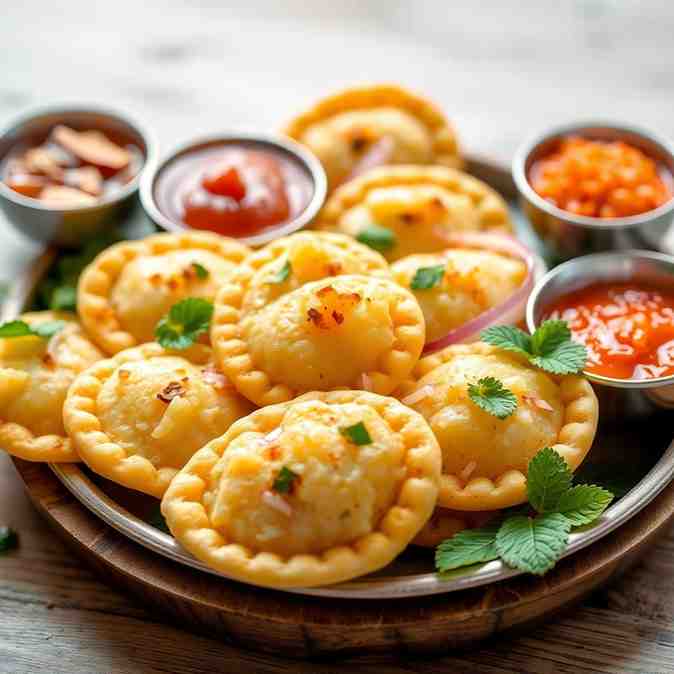
Kwem - Cassava Leaf Food Recipe
Kwem - Cassava Leaf Food Recipe
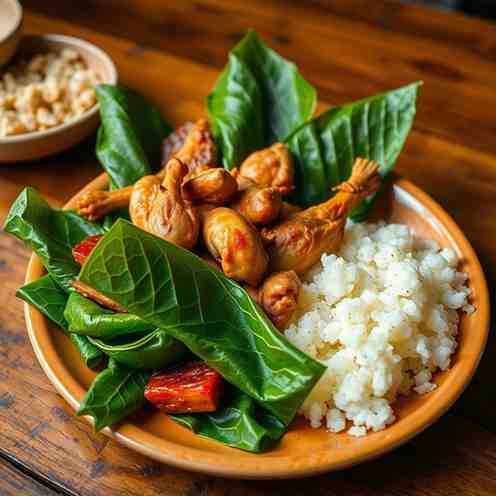
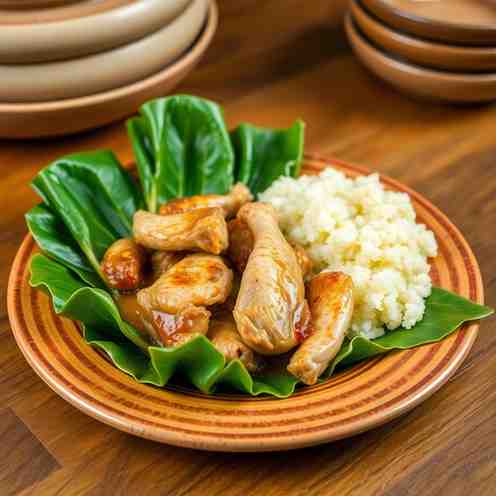
- Serves: 6 People
- Prepare Time: 30 minutes
- Cooking Time: 1 hour 45 m
- Calories: -
- Difficulty: Medium
Welcome to the heart of West African cuisine! Today, we're diving into the rich, soulful world of Authentic Kwem, a beloved Cameroonian cassava leaf food stew. Imagine a dish that's incredibly nutty, slightly smoky, and deeply satisfying, made with tender cassava leaves, savory palm oil, creamy peanuts, and your choice of delicious proteins like smoked fish or beef. If you've ever wanted to explore West African cassava dishes or find an authentic cassava leaf food recipe, you're in the right place!
Kwem, often enjoyed across Cameroon and related to other vibrant West African cassava dishes like Saka Saka or Pondu from neighboring regions, is a culinary journey in itself. While there are many cassava leaf stews out there, this recipe focuses specifically on the unique flavors and techniques of Cameroonian Kwem.
Why is this Kwem recipe special?
It’s designed for home cooks everywhere, whether you're in the US, UK, or anywhere else.
We'll show you how to use readily available frozen cassava leaves (or approved substitutes!).
You'll learn traditional flavors with clear, plain-language instructions for every step.
This is your single, definitive method – no confusing multiple versions, just one fantastic Kwem recipe that works.
So, if you've been searching for a real cassava leaf stew recipe that delivers on flavor and authenticity, this is your clear, step-by-step guide. Let's get cooking!
If you’ve been searching for a real Kwem recipe / cassava leaf stew recipe, this is a clear, step-by-step guide to bring those amazing West African flavors right into your kitchen.
Ingredients
Directions
- Before You Start (Mise-en-place):
- If using frozen cassava leaves, ensure they are fully thawed.
- Chop your beef or goat meat into uniform cubes.
- Prepare your smoked fish by flaking it and removing any bones.
- Finely chop the onion, mince the garlic (or use cloves minced garlic), and grate the ginger (or use grated fresh ginger root).
- Measure out your peanut butter and palm oil. Have your chosen spicy chili pepper ready.
- Brown the Meat:
- In a large, heavy-bottomed pot or Dutch oven, heat a tablespoon of neutral oil (if not using palm oil yet) over medium-high heat.
- Add the cubed beef or goat meat. Season lightly with salt and pepper.
- Sear the meat on all sides until nicely browned. This step is crucial for building deep flavor (fond) at the bottom of the pot. Don't burn it, just get a good sear.
- Remove the browned meat from the pot and set aside, leaving any rendered fat and flavorful bits in the pot.
- Build the Aromatic Base:
- Reduce the heat to medium. Add the red palm oil (or your substitute) to the pot.
- Once the palm oil is shimmering, add the chopped onion (or your blended onion/chili paste). Sauté until soft and translucent, about 5-7 minutes.
- Stir in the minced garlic (ensure it's cloves minced garlic) and grated ginger (or grated fresh ginger root). Cook for another 1-2 minutes until fragrant, being careful not to burn the garlic.
- If using whole Scotch bonnet peppers, add them now. If using minced fresh hot pepper, add it with the garlic and ginger.
- Add Cassava Leaves and Liquid:
- Add the thawed cassava leaves to the pot. Stir them well, coating them in the aromatic mixture and palm oil.
- Add enough water or light stock to just cover the cassava leaves and aromatics.
- Bring the mixture to a gentle simmer. At this stage, the stew will look loose, greener, and not yet thick.
- Simmer with Meat and Smoked Fish:
- Return the browned meat to the pot. Add the flaked smoked fish (if using) and the bouillon cubes (or stock powder). If using crayfish powder, add it now.
- Stir everything together. Bring the stew back to a gentle simmer, then reduce the heat to low, cover the pot, and let it cook.
- Simmer gently for at least 1 to 1.5 hours, or until the meat is fork-tender and the cassava leaves are very soft and fully cooked. Stir occasionally to prevent sticking.
- Enrich with Peanuts:
- After the meat and leaves are tender, stir in the unsweetened peanut butter or ground peanuts.
- Continue to simmer gently, uncovered, for another 20-30 minutes, stirring frequently.
- During this stage, the stew will thicken, and the flavors will meld beautifully. You'll notice the palm oil starting to separate and rise to the top, and the stew will develop a deep green-brown color. It should be thick but spoonable.
- Final Seasoning & Consistency Check:
- Taste the Kwem and adjust the seasoning. Add more salt, pepper, or chili pepper heat if desired.
- If the stew is too thick, you can loosen it with a splash of hot water or stock. If it’s too thin, simmer uncovered for a bit longer to reduce.
- Remember, Kwem should be rich and thick enough to generously coat your rice or side dish, not watery.
- Serve:
- Ladle your delicious, authentic Kwem over steamed white rice, with boiled plantains, or alongside traditional cassava sides like bobolo or chikwangue.
- Serve with extra fresh hot pepper sauce on the side for those who like more heat. Enjoy your culinary journey through West Africa!
Kwem - Cassava Leaf Food Recipe
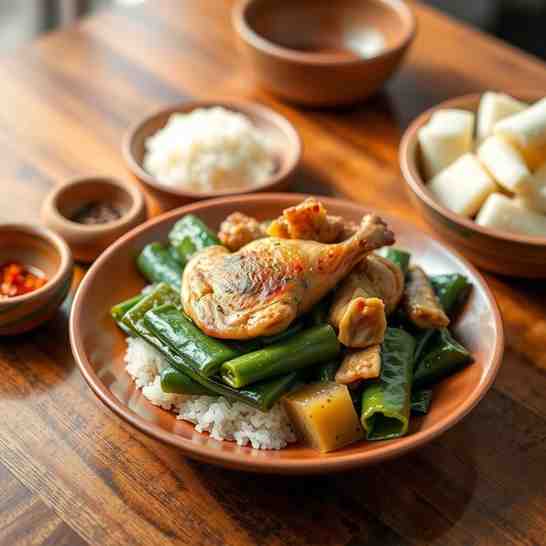
- Serves: 6 People
- Prepare Time: 30 minutes
- Cooking Time: 1 hour 45 m
- Calories: -
- Difficulty: Medium
Welcome to the heart of West African cuisine! Today, we're diving into the rich, soulful world of Authentic Kwem, a beloved Cameroonian cassava leaf food stew. Imagine a dish that's incredibly nutty, slightly smoky, and deeply satisfying, made with tender cassava leaves, savory palm oil, creamy peanuts, and your choice of delicious proteins like smoked fish or beef. If you've ever wanted to explore West African cassava dishes or find an authentic cassava leaf food recipe, you're in the right place!
Kwem, often enjoyed across Cameroon and related to other vibrant West African cassava dishes like Saka Saka or Pondu from neighboring regions, is a culinary journey in itself. While there are many cassava leaf stews out there, this recipe focuses specifically on the unique flavors and techniques of Cameroonian Kwem.
Why is this Kwem recipe special?
It’s designed for home cooks everywhere, whether you're in the US, UK, or anywhere else.
We'll show you how to use readily available frozen cassava leaves (or approved substitutes!).
You'll learn traditional flavors with clear, plain-language instructions for every step.
This is your single, definitive method – no confusing multiple versions, just one fantastic Kwem recipe that works.
So, if you've been searching for a real cassava leaf stew recipe that delivers on flavor and authenticity, this is your clear, step-by-step guide. Let's get cooking!
If you’ve been searching for a real Kwem recipe / cassava leaf stew recipe, this is a clear, step-by-step guide to bring those amazing West African flavors right into your kitchen.
Ingredients
Directions
- Before You Start (Mise-en-place):
- If using frozen cassava leaves, ensure they are fully thawed.
- Chop your beef or goat meat into uniform cubes.
- Prepare your smoked fish by flaking it and removing any bones.
- Finely chop the onion, mince the garlic (or use cloves minced garlic), and grate the ginger (or use grated fresh ginger root).
- Measure out your peanut butter and palm oil. Have your chosen spicy chili pepper ready.
- Brown the Meat:
- In a large, heavy-bottomed pot or Dutch oven, heat a tablespoon of neutral oil (if not using palm oil yet) over medium-high heat.
- Add the cubed beef or goat meat. Season lightly with salt and pepper.
- Sear the meat on all sides until nicely browned. This step is crucial for building deep flavor (fond) at the bottom of the pot. Don't burn it, just get a good sear.
- Remove the browned meat from the pot and set aside, leaving any rendered fat and flavorful bits in the pot.
- Build the Aromatic Base:
- Reduce the heat to medium. Add the red palm oil (or your substitute) to the pot.
- Once the palm oil is shimmering, add the chopped onion (or your blended onion/chili paste). Sauté until soft and translucent, about 5-7 minutes.
- Stir in the minced garlic (ensure it's cloves minced garlic) and grated ginger (or grated fresh ginger root). Cook for another 1-2 minutes until fragrant, being careful not to burn the garlic.
- If using whole Scotch bonnet peppers, add them now. If using minced fresh hot pepper, add it with the garlic and ginger.
- Add Cassava Leaves and Liquid:
- Add the thawed cassava leaves to the pot. Stir them well, coating them in the aromatic mixture and palm oil.
- Add enough water or light stock to just cover the cassava leaves and aromatics.
- Bring the mixture to a gentle simmer. At this stage, the stew will look loose, greener, and not yet thick.
- Simmer with Meat and Smoked Fish:
- Return the browned meat to the pot. Add the flaked smoked fish (if using) and the bouillon cubes (or stock powder). If using crayfish powder, add it now.
- Stir everything together. Bring the stew back to a gentle simmer, then reduce the heat to low, cover the pot, and let it cook.
- Simmer gently for at least 1 to 1.5 hours, or until the meat is fork-tender and the cassava leaves are very soft and fully cooked. Stir occasionally to prevent sticking.
- Enrich with Peanuts:
- After the meat and leaves are tender, stir in the unsweetened peanut butter or ground peanuts.
- Continue to simmer gently, uncovered, for another 20-30 minutes, stirring frequently.
- During this stage, the stew will thicken, and the flavors will meld beautifully. You'll notice the palm oil starting to separate and rise to the top, and the stew will develop a deep green-brown color. It should be thick but spoonable.
- Final Seasoning & Consistency Check:
- Taste the Kwem and adjust the seasoning. Add more salt, pepper, or chili pepper heat if desired.
- If the stew is too thick, you can loosen it with a splash of hot water or stock. If it’s too thin, simmer uncovered for a bit longer to reduce.
- Remember, Kwem should be rich and thick enough to generously coat your rice or side dish, not watery.
- Serve:
- Ladle your delicious, authentic Kwem over steamed white rice, with boiled plantains, or alongside traditional cassava sides like bobolo or chikwangue.
- Serve with extra fresh hot pepper sauce on the side for those who like more heat. Enjoy your culinary journey through West Africa!
You may also like

Hey there! I’m just someone who seriously loves good food and believes that cooking doesn’t have to be complicated to be amazing. Whether it’s a quick weeknight dinner or a cozy weekend meal, I’m all about sharing easy, tasty recipes that actually work.