
Prahok Recipe - Fermented Fish Paste
Prahok Recipe - Fermented Fish Paste
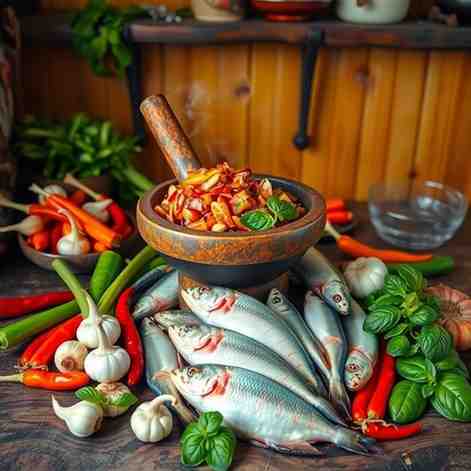
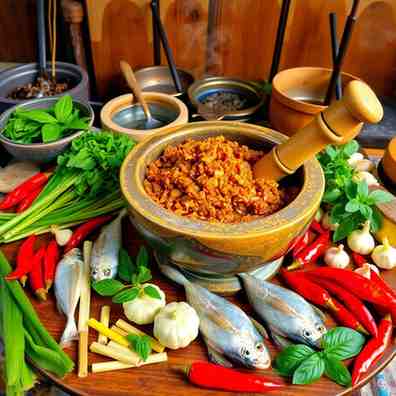
- Serves: 1 People
- Prepare Time: 2 hours (ac
- Cooking Time: 30 minutes
- Calories: -
- Difficulty: Easy
Ever wondered about the secret ingredient that makes Cambodian food so incredibly unique? Get ready to discover Authentic Cambodian Prahok, the beloved fermented fish paste that’s a cornerstone of Khmer cuisine. Often called "Cambodian cheese" for its pungent, savory depth, prahok is more than just a condiment – it's a way of life, providing essential protein and flavor year-round. While you might know it as a fermented fish sauce (though it's technically a paste!), its rich umami punch is unparalleled.
In this comprehensive guide, we're not just talking about prahok; we're going to show you how to make this traditional prahok recipe right in your own home! You'll learn the step-by-step process for creating your own batch, from choosing the right fish to the art of fermentation. But that's not all! Once your homemade prahok is ready, we'll dive into all the delicious ways to use it. Think vibrant dips for fresh vegetables and raw veggies, a savory sauce for vegetable dishes, or a fantastic dip for fish. We'll explore simple methods to transform your paste into a spicy chili sauce with fresh herbs spices and hot peppers in sauce, perfect for adding that authentic Khmer kick to any meal. Get ready to embark on a culinary journey and master the heart of Cambodian cooking!
Ingredients
Directions
- Clean & Prep the Fish
- Carefully remove all scales, guts, and gills from your fish. This is crucial for flavor and safety.
- Rinse the fish thoroughly under cold running water until clean.
- Pat the fish completely dry with paper towels. Excess moisture can hinder fermentation.
- Heads On or Off? Traditionally, heads are often left on for deeper flavor, but you can remove them if preferred. This won't drastically change the outcome for a home batch.
- Salt the Fish (Setting Up Fermentation)
- Weigh your cleaned and prepped fish precisely. This is where your scale comes in handy!
- Calculate 15% of that weight for your salt. For example, if you have 5 pounds of fish, you'll need 0.75 pounds (or 12 ounces) of salt.
- In a large, non-reactive bowl, thoroughly toss and massage the fish with the calculated amount of salt. Ensure every piece of fish is evenly coated. The salt acts as a preservative and kickstarts the fermentation.
- Optional Sun-Drying for Flavor
- Traditionally, fish is sun-dried for a few hours (2-4 hours) on racks to concentrate flavors and reduce moisture before fermentation.
- If you have a safe, sunny, and pest-free outdoor space, you can try this. Cover the fish with a fine mesh to protect it from insects.
- Safety Note: If your conditions aren't ideal (too humid, too many flies), it's perfectly fine to skip this step. You can also use a very low oven or dehydrator for a shorter period, but be careful not to cook the fish.
- Packing into Jars or Crocks
- Choose clean, food-grade glass jars with tight-fitting lids, or a ceramic crock.
- Begin layering the salted fish tightly into your chosen container. Press down firmly to minimize any air pockets between
Prahok Recipe - Fermented Fish Paste
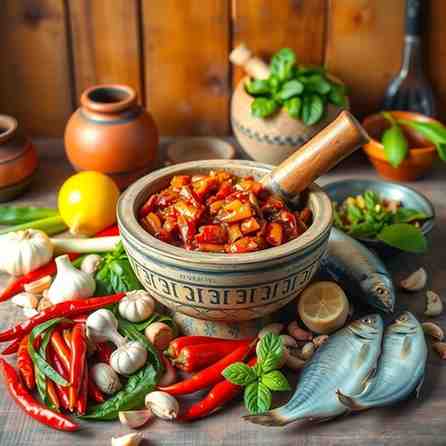
- Serves: 1 People
- Prepare Time: 2 hours (ac
- Cooking Time: 30 minutes
- Calories: -
- Difficulty: Easy
Ever wondered about the secret ingredient that makes Cambodian food so incredibly unique? Get ready to discover Authentic Cambodian Prahok, the beloved fermented fish paste that’s a cornerstone of Khmer cuisine. Often called "Cambodian cheese" for its pungent, savory depth, prahok is more than just a condiment – it's a way of life, providing essential protein and flavor year-round. While you might know it as a fermented fish sauce (though it's technically a paste!), its rich umami punch is unparalleled.
In this comprehensive guide, we're not just talking about prahok; we're going to show you how to make this traditional prahok recipe right in your own home! You'll learn the step-by-step process for creating your own batch, from choosing the right fish to the art of fermentation. But that's not all! Once your homemade prahok is ready, we'll dive into all the delicious ways to use it. Think vibrant dips for fresh vegetables and raw veggies, a savory sauce for vegetable dishes, or a fantastic dip for fish. We'll explore simple methods to transform your paste into a spicy chili sauce with fresh herbs spices and hot peppers in sauce, perfect for adding that authentic Khmer kick to any meal. Get ready to embark on a culinary journey and master the heart of Cambodian cooking!
Ingredients
Directions
- Clean & Prep the Fish
- Carefully remove all scales, guts, and gills from your fish. This is crucial for flavor and safety.
- Rinse the fish thoroughly under cold running water until clean.
- Pat the fish completely dry with paper towels. Excess moisture can hinder fermentation.
- Heads On or Off? Traditionally, heads are often left on for deeper flavor, but you can remove them if preferred. This won't drastically change the outcome for a home batch.
- Salt the Fish (Setting Up Fermentation)
- Weigh your cleaned and prepped fish precisely. This is where your scale comes in handy!
- Calculate 15% of that weight for your salt. For example, if you have 5 pounds of fish, you'll need 0.75 pounds (or 12 ounces) of salt.
- In a large, non-reactive bowl, thoroughly toss and massage the fish with the calculated amount of salt. Ensure every piece of fish is evenly coated. The salt acts as a preservative and kickstarts the fermentation.
- Optional Sun-Drying for Flavor
- Traditionally, fish is sun-dried for a few hours (2-4 hours) on racks to concentrate flavors and reduce moisture before fermentation.
- If you have a safe, sunny, and pest-free outdoor space, you can try this. Cover the fish with a fine mesh to protect it from insects.
- Safety Note: If your conditions aren't ideal (too humid, too many flies), it's perfectly fine to skip this step. You can also use a very low oven or dehydrator for a shorter period, but be careful not to cook the fish.
- Packing into Jars or Crocks
- Choose clean, food-grade glass jars with tight-fitting lids, or a ceramic crock.
- Begin layering the salted fish tightly into your chosen container. Press down firmly to minimize any air pockets between
You may also like



Hey there! I’m just someone who seriously loves good food and believes that cooking doesn’t have to be complicated to be amazing. Whether it’s a quick weeknight dinner or a cozy weekend meal, I’m all about sharing easy, tasty recipes that actually work.