
Cambodian Samlor Korko Stew - Cook at Home
Cambodian Samlor Korko Stew - Cook at Home
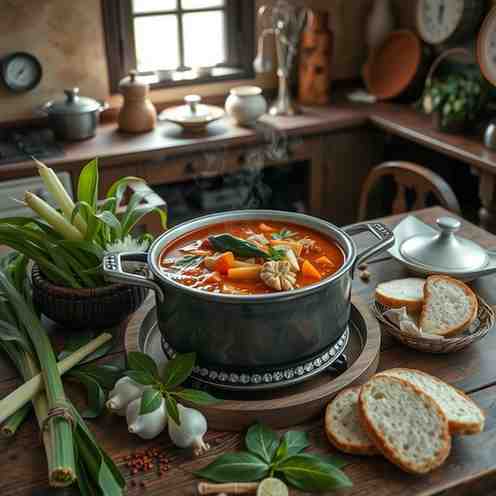
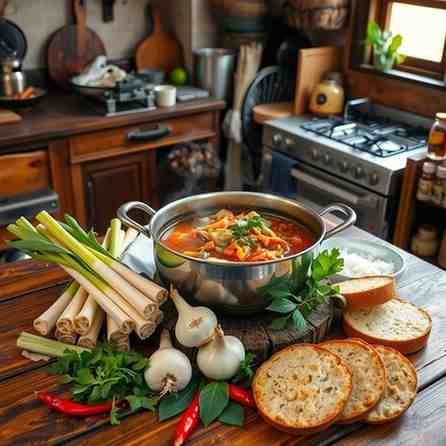
- Serves: 4 People
- Prepare Time: 45 minutes
- Cooking Time: 1 hour 15 m
- Calories: -
- Difficulty: Medium
Welcome to the heart of Cambodian home cooking! While many might know fish amok as Cambodia's "national dish," ask any Cambodian, and they'll likely tell you that Samlor Korko, or "mixing soup," is the true culinary soul of the country. This isn't just a soup; it's a vibrant, hearty, and incredibly flavorful stew that embodies resourcefulness, tradition, and the love poured into everyday family meals. It's a celebration of seasonal vegetables, fragrant aromatics, and a unique depth of flavor that sets it apart.
This authentic Samlor Korko stew recipe will guide you through creating a dish that truly tastes like it came from a Cambodian home kitchen. Forget complicated ingredients you can't find; we'll show you how to source everything you need, from essential kroeung paste ingredients to fresh produce, right at your local Asian market or even a well-stocked US supermarket. Whether you're a beginner eager to learn how to cook Samlor Korko at home or an experienced cook exploring traditional Cambodian cuisine, prepare to discover a nutritious, comforting, and deeply satisfying meal that will quickly become a favorite among your dishes to make at home. Let's get stirring!
Special equipment: Mortar & pestle (or blender), large soup pot
Ingredients
Directions
- Part 1 – Make the Kroeung Paste
- Prep Aromatics: Gather all your kroeung ingredients. Thinly slice the lemongrass, galangal, turmeric, and kaffir lime leaves. Peel the garlic cloves and deseed the chilies if you want less heat.
- Pound the Paste: In a large mortar and pestle, combine the sliced lemongrass, galangal, garlic, turmeric, kaffir lime leaves, chilies (if using), and salt. Pound steadily until you have a coarse but cohesive paste. This takes about 10-15 minutes of effort.
- Blender Note: If using a blender or food processor, chop ingredients finely first. Add a splash (1-2 tablespoons) of water or oil to help it blend. Pulse until a coarse paste forms; avoid over-blending to a smooth puree.
- Part 2 – Prep the Vegetables and Meat
- Chop Vegetables: Trim and chop the long beans, squash, eggplant(s), green papaya/unripe fruit, and leafy greens according to the ingredient list. Keep harder vegetables (squash, papaya) separate from tender greens.
- Prepare Pork: Cut the pork ribs or bones into chunky, bite-sized pieces. Rinse them under cold water and pat them dry thoroughly with paper towels.
- Part 3 – Cook the Soup
- Fry Kroeung: Heat the cooking oil in a large soup pot or Dutch oven over medium heat. Add the prepared kroeung paste and fry, stirring constantly, for 1-3 minutes until incredibly fragrant. Be careful not to burn it.
- Brown Pork: Add the pork pieces to the pot and stir well, coating them thoroughly in the fragrant kroeung paste. Cook for 5-7 minutes, stirring occasionally, until the pork is lightly browned on all sides.
- Add Hard Vegetables: Stir in the harder vegetables like squash, green papaya, and bitter eggplant (if using). Stir to coat them in the paste and cook for another 3-5 minutes.
- Simmer: Pour in the water or light stock. Bring the mixture to a rolling boil, then immediately reduce the heat to a steady simmer.
- Season the Soup: In a small bowl, dissolve the prahok in 1/4 cup of hot broth from the pot. Add the dissolved prahok, fish sauce, palm sugar, and toasted roasted rice powder to the pot. Stir everything thoroughly until well combined.
- Add Leafy Greens: Near the end of the cooking time, when the pork is almost tender and the harder vegetables are softening, add the remaining tender leafy greens (moringa, kale, spinach, etc.). Stir them in and let them wilt and cook for just a few minutes to keep their bright color and texture.
- Finish Cooking & Adjust: Continue to simmer until the pork is cooked through and fork-tender, and all the vegetables are tender but not mushy. This usually takes about 45-60 minutes from when you added the liquid. Taste the soup and adjust seasoning as needed – add more salt or fish sauce for savory depth, or a pinch more palm sugar for balance. Skim any foam that rises to the surface. If the soup is too thick, add a little more hot water or stock; if too thin, simmer uncovered for a bit longer.
- Part 4 – Final Taste Check & Serve
- Final Taste: Do a final taste test for balance. You're looking for a savory, slightly funky, citrusy, and gently spiced flavor with a rich, thick texture from the rice powder and vegetables.
- Serve: Ladle the hot Samlor Korko over steamed jasmine rice. Serve family-style, perhaps with a side of fresh lime wedges, extra herbs like basil or cilantro, and simple raw vegetables (like sliced cucumber or cabbage) for a refreshing crunch.Recipe Notes:
- Prahok Power: If you're new to prahok, start with half the recommended amount and add more to taste. Its flavor is strong and unique!
- Thickening Act: Samlor Korko naturally thickens as it stands, thanks to the roasted rice powder and starchy vegetables. If reheating, you might need to add a splash of water or stock to reach your desired consistency.
Cambodian Samlor Korko Stew - Cook at Home
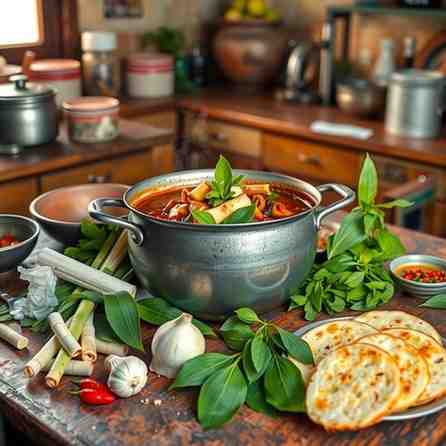
- Serves: 4 People
- Prepare Time: 45 minutes
- Cooking Time: 1 hour 15 m
- Calories: -
- Difficulty: Medium
Welcome to the heart of Cambodian home cooking! While many might know fish amok as Cambodia's "national dish," ask any Cambodian, and they'll likely tell you that Samlor Korko, or "mixing soup," is the true culinary soul of the country. This isn't just a soup; it's a vibrant, hearty, and incredibly flavorful stew that embodies resourcefulness, tradition, and the love poured into everyday family meals. It's a celebration of seasonal vegetables, fragrant aromatics, and a unique depth of flavor that sets it apart.
This authentic Samlor Korko stew recipe will guide you through creating a dish that truly tastes like it came from a Cambodian home kitchen. Forget complicated ingredients you can't find; we'll show you how to source everything you need, from essential kroeung paste ingredients to fresh produce, right at your local Asian market or even a well-stocked US supermarket. Whether you're a beginner eager to learn how to cook Samlor Korko at home or an experienced cook exploring traditional Cambodian cuisine, prepare to discover a nutritious, comforting, and deeply satisfying meal that will quickly become a favorite among your dishes to make at home. Let's get stirring!
Special equipment: Mortar & pestle (or blender), large soup pot
Ingredients
Directions
- Part 1 – Make the Kroeung Paste
- Prep Aromatics: Gather all your kroeung ingredients. Thinly slice the lemongrass, galangal, turmeric, and kaffir lime leaves. Peel the garlic cloves and deseed the chilies if you want less heat.
- Pound the Paste: In a large mortar and pestle, combine the sliced lemongrass, galangal, garlic, turmeric, kaffir lime leaves, chilies (if using), and salt. Pound steadily until you have a coarse but cohesive paste. This takes about 10-15 minutes of effort.
- Blender Note: If using a blender or food processor, chop ingredients finely first. Add a splash (1-2 tablespoons) of water or oil to help it blend. Pulse until a coarse paste forms; avoid over-blending to a smooth puree.
- Part 2 – Prep the Vegetables and Meat
- Chop Vegetables: Trim and chop the long beans, squash, eggplant(s), green papaya/unripe fruit, and leafy greens according to the ingredient list. Keep harder vegetables (squash, papaya) separate from tender greens.
- Prepare Pork: Cut the pork ribs or bones into chunky, bite-sized pieces. Rinse them under cold water and pat them dry thoroughly with paper towels.
- Part 3 – Cook the Soup
- Fry Kroeung: Heat the cooking oil in a large soup pot or Dutch oven over medium heat. Add the prepared kroeung paste and fry, stirring constantly, for 1-3 minutes until incredibly fragrant. Be careful not to burn it.
- Brown Pork: Add the pork pieces to the pot and stir well, coating them thoroughly in the fragrant kroeung paste. Cook for 5-7 minutes, stirring occasionally, until the pork is lightly browned on all sides.
- Add Hard Vegetables: Stir in the harder vegetables like squash, green papaya, and bitter eggplant (if using). Stir to coat them in the paste and cook for another 3-5 minutes.
- Simmer: Pour in the water or light stock. Bring the mixture to a rolling boil, then immediately reduce the heat to a steady simmer.
- Season the Soup: In a small bowl, dissolve the prahok in 1/4 cup of hot broth from the pot. Add the dissolved prahok, fish sauce, palm sugar, and toasted roasted rice powder to the pot. Stir everything thoroughly until well combined.
- Add Leafy Greens: Near the end of the cooking time, when the pork is almost tender and the harder vegetables are softening, add the remaining tender leafy greens (moringa, kale, spinach, etc.). Stir them in and let them wilt and cook for just a few minutes to keep their bright color and texture.
- Finish Cooking & Adjust: Continue to simmer until the pork is cooked through and fork-tender, and all the vegetables are tender but not mushy. This usually takes about 45-60 minutes from when you added the liquid. Taste the soup and adjust seasoning as needed – add more salt or fish sauce for savory depth, or a pinch more palm sugar for balance. Skim any foam that rises to the surface. If the soup is too thick, add a little more hot water or stock; if too thin, simmer uncovered for a bit longer.
- Part 4 – Final Taste Check & Serve
- Final Taste: Do a final taste test for balance. You're looking for a savory, slightly funky, citrusy, and gently spiced flavor with a rich, thick texture from the rice powder and vegetables.
- Serve: Ladle the hot Samlor Korko over steamed jasmine rice. Serve family-style, perhaps with a side of fresh lime wedges, extra herbs like basil or cilantro, and simple raw vegetables (like sliced cucumber or cabbage) for a refreshing crunch.Recipe Notes:
- Prahok Power: If you're new to prahok, start with half the recommended amount and add more to taste. Its flavor is strong and unique!
- Thickening Act: Samlor Korko naturally thickens as it stands, thanks to the roasted rice powder and starchy vegetables. If reheating, you might need to add a splash of water or stock to reach your desired consistency.
You may also like


Hey there! I’m just someone who seriously loves good food and believes that cooking doesn’t have to be complicated to be amazing. Whether it’s a quick weeknight dinner or a cozy weekend meal, I’m all about sharing easy, tasty recipes that actually work.