
Thai Sticky Rice - Khao Niew
Thai Sticky Rice - Khao Niew
- Serves: 4 People
- Prepare Time: 15 minutes
- Cooking Time: 25-30 minut
- Calories: -
- Difficulty: Easy
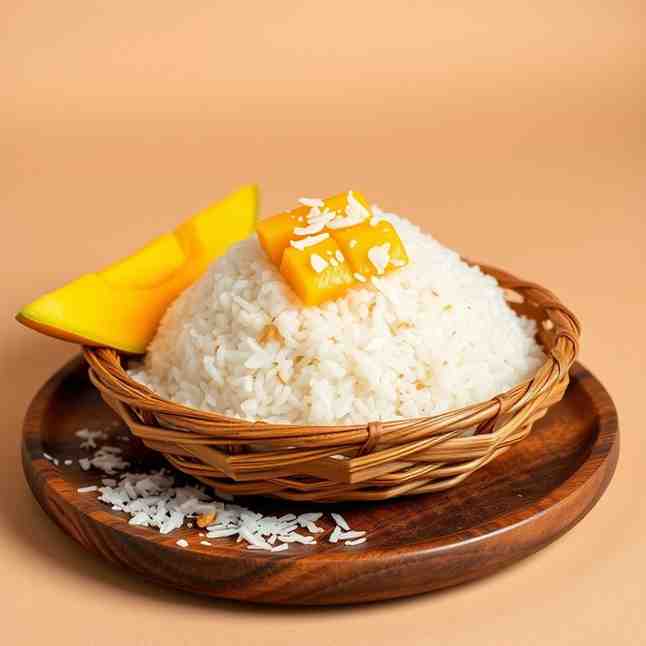
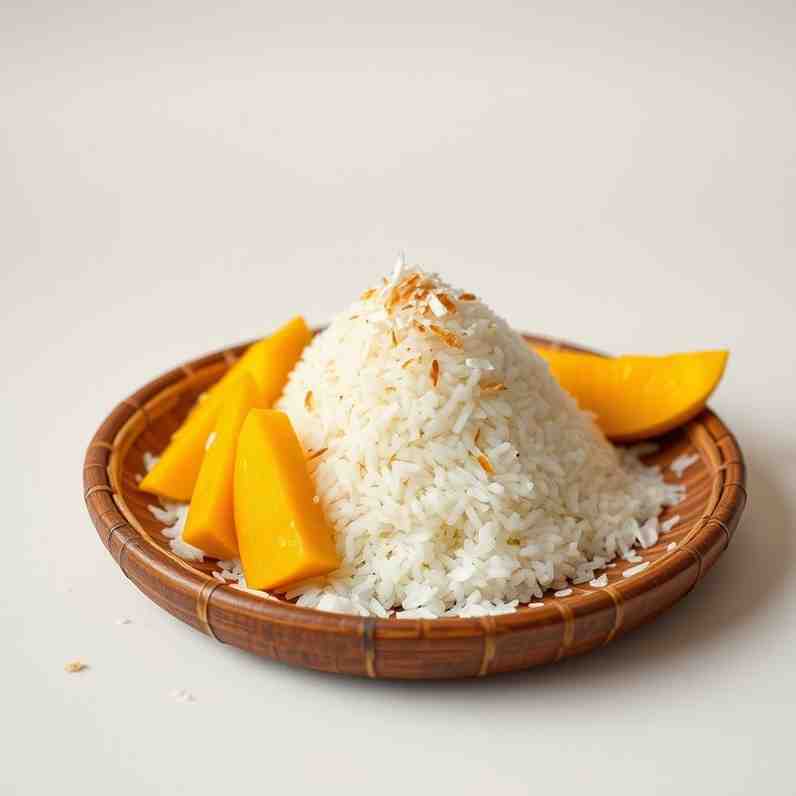
Welcome to the wonderful world of authentic Lao sticky rice, or as it's known in Laos, Khao Niew! If you've ever enjoyed a delicious Lao or `thai sticky rice` meal, you know this isn't your average fluffy white rice. `Thai glutinous rice` has a unique, wonderfully chewy texture that's perfect for pinching, rolling, and dipping into savory sauces. While often called `thai sweet rice`, it's not actually sweet, but rather refers to its sticky, "glue-like" consistency when cooked.
Forget the guesswork and endless online searches for "how to make `sticky white rice`." We're cutting through the noise to bring you one authentic, traditional method for steaming perfect Khao Niew every single time. This guide is designed to be your ultimate resource, covering everything from finding the right `glutinous rice where to buy` to troubleshooting common issues, ensuring your journey to homemade Lao sticky rice is both successful and incredibly satisfying. Get ready to transform your kitchen into a little piece of Laos!
Welcome, fellow food adventurers, to the wonderful world of authentic Lao sticky rice, or as it's known in Laos, khao niew! If you've ever had the pleasure of tasting this incredible staple, you know it's not just "regular rice." It's a culinary experience – chewy, slightly sweet, and perfect for scooping up savory dishes. This isn't just a recipe; it's your definitive guide to mastering Thai sticky rice the traditional way. We're going to walk you through one authentic, traditional method that is reliable, foolproof, and will have you making perfect sticky rice every single time. Get ready to impress your taste buds and everyone around your dinner table!
Ingredients
Directions
- Rinse Until Mostly Clear: Place the `sticky white rice` in a large bowl. Add cool water and swish the grains around with your hand. You'll notice the water becoming cloudy. Drain the water and repeat this process 3-5 times, or until the water runs mostly clear. "Mostly clear" means it's still slightly hazy, but not milky white. This step removes excess starch, which helps prevent mushy rice.
- Soak for Success: After rinsing, cover the rice with fresh, cool water, ensuring it's submerged by at least an inch or two. The minimum soaking time is 4 hours, but ideally, you'll soak it overnight (8-12 hours) for the best results. You can even soak it up to 24 hours in a cool spot. Soaking thoroughly hydrates the grains, leading to even cooking and that characteristic chewy texture.
- Drain Well: Once soaking is complete, pour the rice into a colander or fine-mesh sieve and let it drain completely for at least 15-20 minutes. Don't rush this! "Well-drained" means there's no standing water clinging to the grains. Excess water can lead to mushy rice in the steamer.
- Set Up Your Steamer: If using a traditional `sticky rice pot and basket` (bamboo cone steamer with a tall pot), fill the pot with water, ensuring the water level is below where the bottom of the bamboo basket will sit. The rice must never touch the water directly. Place the bamboo cone into the pot. If your cone has a lid, use it. Otherwise, a regular pot lid or even a plate can work to cover the top.
- Steam, Then Flip: Carefully transfer the drained `glutinous rice` into the bamboo steaming basket. Place the lid on top. Steam over high heat for 10-15 minutes. After this time, carefully remove the lid, and using a clean, damp spatula or your hands (be cautious of the steam!), gently flip the rice. The grains on top will now be on the bottom, ensuring even cooking. Reshape the rice into a cone.
- Finish Steaming & Check Doneness: Replace the lid and continue steaming for another 10-15 minutes. To check for doneness, look for translucent grains, especially around the edges. Take a pinch and bite into a few grains – they should be tender and chewy, not hard or crunchy in the center. If still undercooked, steam for a few more minutes.
- Fluff, Knead & Store Properly: Once cooked, immediately transfer the hot `sticky white rice` to a clean, damp serving basket (like an aep khao) or a large, clean bowl. Using a damp spatula or your hands, gently "knead" or fold the rice for a minute or two. This helps release excess steam, prevents the rice from hardening, and gives it that perfect cohesive, slightly springy texture. Serve immediately or store as directed below.
Thai Sticky Rice - Khao Niew
- Serves: 4 People
- Prepare Time: 15 minutes
- Cooking Time: 25-30 minut
- Calories: -
- Difficulty: Easy
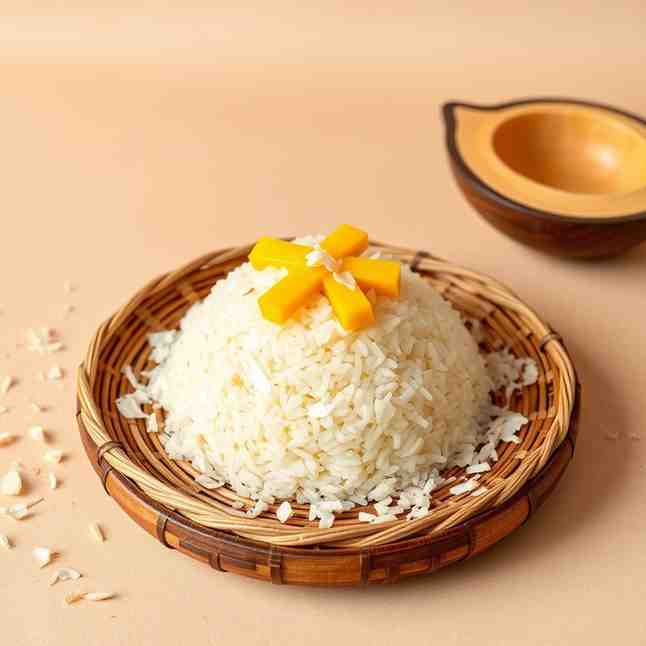
Welcome to the wonderful world of authentic Lao sticky rice, or as it's known in Laos, Khao Niew! If you've ever enjoyed a delicious Lao or `thai sticky rice` meal, you know this isn't your average fluffy white rice. `Thai glutinous rice` has a unique, wonderfully chewy texture that's perfect for pinching, rolling, and dipping into savory sauces. While often called `thai sweet rice`, it's not actually sweet, but rather refers to its sticky, "glue-like" consistency when cooked.
Forget the guesswork and endless online searches for "how to make `sticky white rice`." We're cutting through the noise to bring you one authentic, traditional method for steaming perfect Khao Niew every single time. This guide is designed to be your ultimate resource, covering everything from finding the right `glutinous rice where to buy` to troubleshooting common issues, ensuring your journey to homemade Lao sticky rice is both successful and incredibly satisfying. Get ready to transform your kitchen into a little piece of Laos!
Welcome, fellow food adventurers, to the wonderful world of authentic Lao sticky rice, or as it's known in Laos, khao niew! If you've ever had the pleasure of tasting this incredible staple, you know it's not just "regular rice." It's a culinary experience – chewy, slightly sweet, and perfect for scooping up savory dishes. This isn't just a recipe; it's your definitive guide to mastering Thai sticky rice the traditional way. We're going to walk you through one authentic, traditional method that is reliable, foolproof, and will have you making perfect sticky rice every single time. Get ready to impress your taste buds and everyone around your dinner table!
Ingredients
Directions
- Rinse Until Mostly Clear: Place the `sticky white rice` in a large bowl. Add cool water and swish the grains around with your hand. You'll notice the water becoming cloudy. Drain the water and repeat this process 3-5 times, or until the water runs mostly clear. "Mostly clear" means it's still slightly hazy, but not milky white. This step removes excess starch, which helps prevent mushy rice.
- Soak for Success: After rinsing, cover the rice with fresh, cool water, ensuring it's submerged by at least an inch or two. The minimum soaking time is 4 hours, but ideally, you'll soak it overnight (8-12 hours) for the best results. You can even soak it up to 24 hours in a cool spot. Soaking thoroughly hydrates the grains, leading to even cooking and that characteristic chewy texture.
- Drain Well: Once soaking is complete, pour the rice into a colander or fine-mesh sieve and let it drain completely for at least 15-20 minutes. Don't rush this! "Well-drained" means there's no standing water clinging to the grains. Excess water can lead to mushy rice in the steamer.
- Set Up Your Steamer: If using a traditional `sticky rice pot and basket` (bamboo cone steamer with a tall pot), fill the pot with water, ensuring the water level is below where the bottom of the bamboo basket will sit. The rice must never touch the water directly. Place the bamboo cone into the pot. If your cone has a lid, use it. Otherwise, a regular pot lid or even a plate can work to cover the top.
- Steam, Then Flip: Carefully transfer the drained `glutinous rice` into the bamboo steaming basket. Place the lid on top. Steam over high heat for 10-15 minutes. After this time, carefully remove the lid, and using a clean, damp spatula or your hands (be cautious of the steam!), gently flip the rice. The grains on top will now be on the bottom, ensuring even cooking. Reshape the rice into a cone.
- Finish Steaming & Check Doneness: Replace the lid and continue steaming for another 10-15 minutes. To check for doneness, look for translucent grains, especially around the edges. Take a pinch and bite into a few grains – they should be tender and chewy, not hard or crunchy in the center. If still undercooked, steam for a few more minutes.
- Fluff, Knead & Store Properly: Once cooked, immediately transfer the hot `sticky white rice` to a clean, damp serving basket (like an aep khao) or a large, clean bowl. Using a damp spatula or your hands, gently "knead" or fold the rice for a minute or two. This helps release excess steam, prevents the rice from hardening, and gives it that perfect cohesive, slightly springy texture. Serve immediately or store as directed below.
You may also like


Hey there! I’m just someone who seriously loves good food and believes that cooking doesn’t have to be complicated to be amazing. Whether it’s a quick weeknight dinner or a cozy weekend meal, I’m all about sharing easy, tasty recipes that actually work.