
Cape Verdean Feijoada - Pork & Beans Recipe - Cook Now
Cape Verdean Feijoada - Pork & Beans Recipe - Cook Now
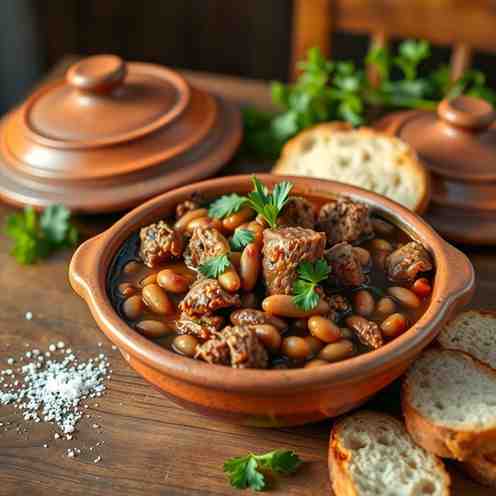

- Serves: 6 People
- Prepare Time: 30 minutes
- Cooking Time: 2 hours 30
- Calories: -
- Difficulty: Medium
Ever craved a dish that wraps you in a warm, comforting hug? Look no further than Cape Verdean Feijoada, a truly authentic and hearty pork and beans recipe that’s a staple in Cape Verdean homes. This incredible stew is a celebration of slow-cooked beans, tender pork, and vibrant vegetables, all swimming in a rich, deeply flavorful broth, traditionally served over fluffy white rice. It’s more than just a meal; it’s a taste of Portuguese and African culinary heritage, blended into something truly special.
Time: Requires an overnight soak for the beans, then about 2 to 3 hours of active cooking.
Serves: Generously feeds 6 to 8 people.
Difficulty: Moderate, but don't let that intimidate you! The steps are straightforward and well worth the effort.
Flavor Profile: Savory, lightly smoky, wonderfully aromatic, and comforting without being overly spicy.
Sunday family dinners: This dish is built for sharing and gathering loved ones around the table.
Batch cooking and leftovers: The flavors deepen beautifully overnight, making it even better the next day!
Anyone wanting to discover Cape Verdean home cooking: It’s an accessible and delicious entry point into a vibrant cuisine.
Ingredients
Directions
- Soak and Prep the Beans The night before you plan to cook, rinse your `best dried beans` (feijão pedra or pinto beans) thoroughly under cold water, picking out any small stones or debris. Place them in a large bowl and cover them generously with plenty of cold water—at least 2-3 times the volume of the beans. Let them soak overnight on the counter or in the fridge. The next day, drain the beans, rinse them again, and notice how plump they’ve become!
- Season and Crisp the Salt Pork Cube the `salt pork meat` into ½-inch pieces. In a large, heavy-bottomed pot or Dutch oven, heat 1 tablespoon of neutral oil over medium-high heat. Add the cubed salt pork and sear until the edges are golden and crisp, and some of the fat has rendered out. This step is crucial for developing a deep, savory flavor. Use a slotted spoon to transfer the crisp pork pieces to a plate, leaving the delicious drippings in the pot.
- Build the Flavor Base If your pot seems dry, add a splash of `extra virgin olive oil for cooking`. Reduce the heat to medium. Add the chopped onion to the pot and sauté, stirring occasionally, until it's soft and translucent, about 5-7 minutes. Stir in the minced garlic and cook for another minute until fragrant, being careful not to burn it. Add the crushed tomatoes (fresh or canned) and the bouillon/stock. Stir well, breaking down the tomatoes, and let it simmer gently for 5 minutes to create a thick, flavorful base. Now, stir the crisp salt pork pieces back into the pot, ensuring they get coated in this aromatic mixture.
- Add Beans, Aromatics & Simmer Add the soaked and rinsed beans to the pot, tossing them to coat thoroughly in the flavor base. Tuck in the bay leaves, a pinch of paprika, and a good grind of black pepper. Add enough fresh water or `simple vegetable broth recipe` to cover the beans generously—about 6-8 cups, or more if needed. Bring the liquid to a rolling boil, then immediately reduce the heat to a gentle simmer. Cover the pot, leaving a small crack for steam to escape, and cook, stirring occasionally, for about 1½ hours, or until the beans are approaching tender but not fully done. Cooking time will vary depending on your bean type.
- Add Chouriço and Cook to Tender Once the beans are mostly tender, slice your chouriço or linguiça into ½-inch rounds. Add these to the pot. Continue to simmer the stew, covered, for another 30 minutes. This allows the smoky, garlicky flavor of the sausage to infuse deeply into the broth, making it incredibly rich.
- Add Vegetables in Stages At this point, taste the broth and adjust `salt` and pepper as needed. Add the cabbage, carrots, and squash chunks to the pot. The liquid should just cover the vegetables; add a splash more hot water or broth if necessary. Continue to simmer, covered, until all the vegetables are tender but still hold their shape, the beans are fully creamy and soft, and the broth has become rich and slightly thickened. This usually takes another 20-30 minutes.
- Final Seasoning & Rest Give your feijoada one last taste. Adjust `salt`, pepper, and paprika if desired. If the broth seems too thin, remove the lid and simmer uncovered for a few minutes to reduce. If it’s too thick, stir in a splash of hot water or broth. Once perfectly seasoned and textured, turn off the heat, cover the pot, and let the feijoada rest for 15-30 minutes. This critical step allows all the flavors to meld beautifully and the broth to thicken to the perfect consistency.
Cape Verdean Feijoada - Pork & Beans Recipe - Cook Now

- Serves: 6 People
- Prepare Time: 30 minutes
- Cooking Time: 2 hours 30
- Calories: -
- Difficulty: Medium
Ever craved a dish that wraps you in a warm, comforting hug? Look no further than Cape Verdean Feijoada, a truly authentic and hearty pork and beans recipe that’s a staple in Cape Verdean homes. This incredible stew is a celebration of slow-cooked beans, tender pork, and vibrant vegetables, all swimming in a rich, deeply flavorful broth, traditionally served over fluffy white rice. It’s more than just a meal; it’s a taste of Portuguese and African culinary heritage, blended into something truly special.
Time: Requires an overnight soak for the beans, then about 2 to 3 hours of active cooking.
Serves: Generously feeds 6 to 8 people.
Difficulty: Moderate, but don't let that intimidate you! The steps are straightforward and well worth the effort.
Flavor Profile: Savory, lightly smoky, wonderfully aromatic, and comforting without being overly spicy.
Sunday family dinners: This dish is built for sharing and gathering loved ones around the table.
Batch cooking and leftovers: The flavors deepen beautifully overnight, making it even better the next day!
Anyone wanting to discover Cape Verdean home cooking: It’s an accessible and delicious entry point into a vibrant cuisine.
Ingredients
Directions
- Soak and Prep the Beans The night before you plan to cook, rinse your `best dried beans` (feijão pedra or pinto beans) thoroughly under cold water, picking out any small stones or debris. Place them in a large bowl and cover them generously with plenty of cold water—at least 2-3 times the volume of the beans. Let them soak overnight on the counter or in the fridge. The next day, drain the beans, rinse them again, and notice how plump they’ve become!
- Season and Crisp the Salt Pork Cube the `salt pork meat` into ½-inch pieces. In a large, heavy-bottomed pot or Dutch oven, heat 1 tablespoon of neutral oil over medium-high heat. Add the cubed salt pork and sear until the edges are golden and crisp, and some of the fat has rendered out. This step is crucial for developing a deep, savory flavor. Use a slotted spoon to transfer the crisp pork pieces to a plate, leaving the delicious drippings in the pot.
- Build the Flavor Base If your pot seems dry, add a splash of `extra virgin olive oil for cooking`. Reduce the heat to medium. Add the chopped onion to the pot and sauté, stirring occasionally, until it's soft and translucent, about 5-7 minutes. Stir in the minced garlic and cook for another minute until fragrant, being careful not to burn it. Add the crushed tomatoes (fresh or canned) and the bouillon/stock. Stir well, breaking down the tomatoes, and let it simmer gently for 5 minutes to create a thick, flavorful base. Now, stir the crisp salt pork pieces back into the pot, ensuring they get coated in this aromatic mixture.
- Add Beans, Aromatics & Simmer Add the soaked and rinsed beans to the pot, tossing them to coat thoroughly in the flavor base. Tuck in the bay leaves, a pinch of paprika, and a good grind of black pepper. Add enough fresh water or `simple vegetable broth recipe` to cover the beans generously—about 6-8 cups, or more if needed. Bring the liquid to a rolling boil, then immediately reduce the heat to a gentle simmer. Cover the pot, leaving a small crack for steam to escape, and cook, stirring occasionally, for about 1½ hours, or until the beans are approaching tender but not fully done. Cooking time will vary depending on your bean type.
- Add Chouriço and Cook to Tender Once the beans are mostly tender, slice your chouriço or linguiça into ½-inch rounds. Add these to the pot. Continue to simmer the stew, covered, for another 30 minutes. This allows the smoky, garlicky flavor of the sausage to infuse deeply into the broth, making it incredibly rich.
- Add Vegetables in Stages At this point, taste the broth and adjust `salt` and pepper as needed. Add the cabbage, carrots, and squash chunks to the pot. The liquid should just cover the vegetables; add a splash more hot water or broth if necessary. Continue to simmer, covered, until all the vegetables are tender but still hold their shape, the beans are fully creamy and soft, and the broth has become rich and slightly thickened. This usually takes another 20-30 minutes.
- Final Seasoning & Rest Give your feijoada one last taste. Adjust `salt`, pepper, and paprika if desired. If the broth seems too thin, remove the lid and simmer uncovered for a few minutes to reduce. If it’s too thick, stir in a splash of hot water or broth. Once perfectly seasoned and textured, turn off the heat, cover the pot, and let the feijoada rest for 15-30 minutes. This critical step allows all the flavors to meld beautifully and the broth to thicken to the perfect consistency.
You may also like




Hey there! I’m just someone who seriously loves good food and believes that cooking doesn’t have to be complicated to be amazing. Whether it’s a quick weeknight dinner or a cozy weekend meal, I’m all about sharing easy, tasty recipes that actually work.