
Cayman Turtle Stew Recipe - Stew Meat Dish
Cayman Turtle Stew Recipe - Stew Meat Dish
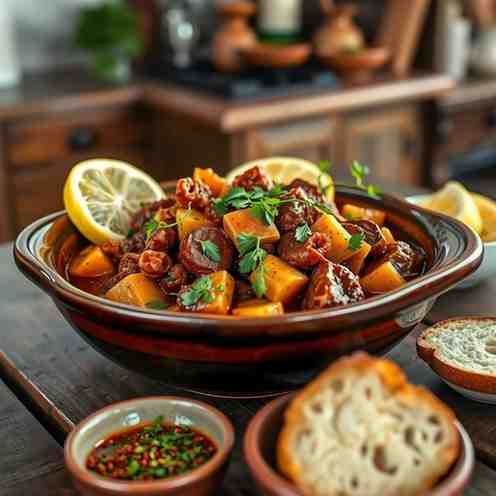
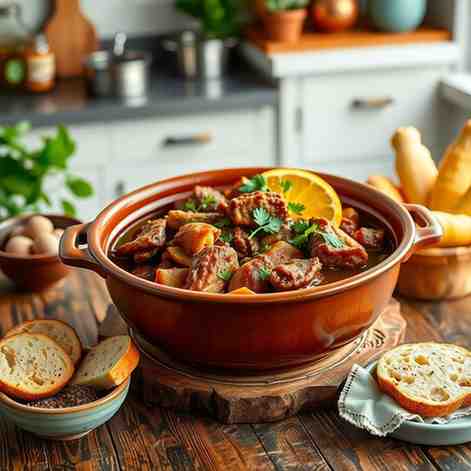
- Serves: 8 People
- Prepare Time: 35 minutes
- Cooking Time: 2 hours 30
- Calories: -
- Difficulty: Easy
Hey there, fellow food adventurers! Are you ready to dive into a truly unique and incredibly flavorful culinary experience? We're talking about Cayman Islands Turtle Stew, a dish so central to Grand Cayman's identity that many locals consider it their national dish. If you've been searching for a traditional, savory stew meat stew recipe that stands out from the crowd, you've hit the jackpot.
Imagine your favorite comforting beef stew, but with an exciting Caribbean twist. Instead of beef, we use tender turtle meat, paired with hearty cassava, white potatoes, and a symphony of vibrant island aromatics like Scotch bonnet pepper, fresh thyme, and green onions. It’s a rich, deeply satisfying meal that tells a story with every spoonful – a true taste of Caymanian heritage. This isn't just any meat and vegetable recipe; it's an authentic journey!
Now, a quick but important note: this recipe assumes you're using legally sourced, farm-raised turtle meat, which is allowed and regulated in certain places like the Cayman Islands. We always encourage you to follow local laws and regulations regarding turtle consumption.
This traditional stew of meat is perfect for those looking to learn how to cook stew meat effectively, discover authentic recipes, explore unique ingredients and seasonings, or simply find a memorable new meal with stew meat. Get ready to create a dish that's both a culinary masterpiece and a conversation starter!
Ingredients
Directions
- Clean and Marinate the Turtle: Place the turtle meat chunks in a large bowl. Pour the lime juice over the meat, along with 1-2 teaspoons of salt. Add enough cold water to cover the meat. Use your hands to thoroughly wash and rub the meat for a minute or two. This helps to clean the meat and remove any gamey odors. Drain well, rinse briefly, and pat the meat pieces dry with paper towels. Return to the bowl, season lightly with fresh salt and pepper, and let marinate at room temperature for 15-20 minutes while you prep other ingredients.
- Prep Your Vegetables & Pot: Peel and chop your onion, mince the garlic, and chop the chives/green onion. Chop the fresh tomatoes. Prepare your Scotch bonnet pepper (keep it whole for mild heat, make a small slit for more, or finely chop for maximum spice, removing seeds if you prefer less heat). Peel and cut the cassava and potatoes into uniform 1.5-inch chunks. If using, prepare the optional carrot or pumpkin. Choose a heavy-bottomed pot or a Dutch oven that’s large enough to hold all the stew ingredients comfortably.
- Brown the Turtle Meat: Heat the vegetable oil in your chosen pot over medium-high heat. Working in batches if necessary to avoid overcrowding, add the turtle meat. Brown deeply on all sides until a rich, dark crust forms. This step is crucial for developing deep flavor. "Deeply browned" means a beautiful mahogany color, not just a light sear. Remove the browned meat to a plate and set aside. If there's any fond (brown bits) stuck to the bottom, deglaze lightly with a splash of water or stock, scraping it up, before proceeding.
- Build the Flavor Base: Reduce the heat to medium. Add the chopped onion to the pot and sauté until softened and translucent, about 5-7 minutes. Stir in the minced garlic and chopped chives/green onion, cooking for another 1-2 minutes until fragrant. Add the chopped tomatoes and fresh thyme, cooking until the tomatoes break down slightly and the mixture becomes a bit jammy, about 5-8 minutes. Stir in the browning sauce (if using) and allspice (if using), along with your chosen Scotch bonnet pepper. Cook for 1 minute more, allowing the flavors to meld.
- Simmer Low and Slow: Return the browned turtle meat to the pot. Pour in enough water or stock to just barely cover the meat. Bring the liquid to a gentle simmer (you should see small bubbles, not a rolling boil). Cover the pot, reduce the heat to low, and let the stew simmer for 1.5 to 2 hours. The goal here is to tenderize the turtle meat. Check periodically, and if the liquid level drops too much, add a little more hot water or stock to keep the meat submerged. The meat should be fork-tender but not falling apart.
- Add Cassava & Potatoes at the Right Time: After the initial simmering, when the turtle meat is nearly tender, add the cassava and potato chunks to the pot. Stir gently to combine, ensuring they are mostly submerged in the liquid. If needed, add a bit more hot water or stock to keep them covered. Continue to simmer, covered, for another 30-45 minutes, or until the cassava and potatoes are cooked through and tender, but still hold their shape. Stir occasionally to prevent sticking and ensure even cooking.
- Final Seasoning & Serving: Once the vegetables are tender, remove the Scotch bonnet pepper (if you want to reduce the heat). Taste the stew and adjust the seasoning with additional salt and freshly ground black pepper as needed. The stew should be rich, thick, and spoonable – not watery like a soup, nor overly thick like a paste. Let the stew rest off the heat for 5-10 minutes before serving. Ladle generously over cooked white rice or rice & beans, and serve with fried plantains, breadfruit, or a simple salad. Garnish with fresh chopped herbs and a lime wedge.
Cayman Turtle Stew Recipe - Stew Meat Dish
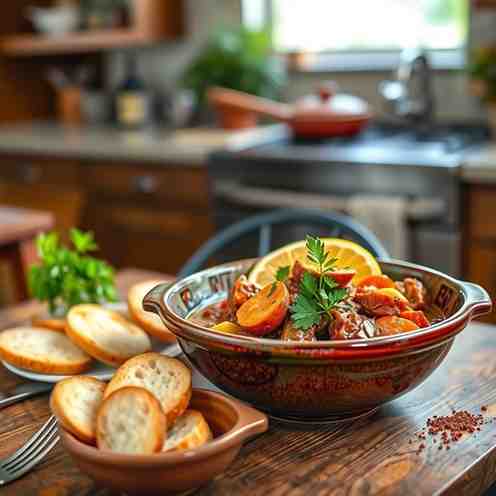
- Serves: 8 People
- Prepare Time: 35 minutes
- Cooking Time: 2 hours 30
- Calories: -
- Difficulty: Easy
Hey there, fellow food adventurers! Are you ready to dive into a truly unique and incredibly flavorful culinary experience? We're talking about Cayman Islands Turtle Stew, a dish so central to Grand Cayman's identity that many locals consider it their national dish. If you've been searching for a traditional, savory stew meat stew recipe that stands out from the crowd, you've hit the jackpot.
Imagine your favorite comforting beef stew, but with an exciting Caribbean twist. Instead of beef, we use tender turtle meat, paired with hearty cassava, white potatoes, and a symphony of vibrant island aromatics like Scotch bonnet pepper, fresh thyme, and green onions. It’s a rich, deeply satisfying meal that tells a story with every spoonful – a true taste of Caymanian heritage. This isn't just any meat and vegetable recipe; it's an authentic journey!
Now, a quick but important note: this recipe assumes you're using legally sourced, farm-raised turtle meat, which is allowed and regulated in certain places like the Cayman Islands. We always encourage you to follow local laws and regulations regarding turtle consumption.
This traditional stew of meat is perfect for those looking to learn how to cook stew meat effectively, discover authentic recipes, explore unique ingredients and seasonings, or simply find a memorable new meal with stew meat. Get ready to create a dish that's both a culinary masterpiece and a conversation starter!
Ingredients
Directions
- Clean and Marinate the Turtle: Place the turtle meat chunks in a large bowl. Pour the lime juice over the meat, along with 1-2 teaspoons of salt. Add enough cold water to cover the meat. Use your hands to thoroughly wash and rub the meat for a minute or two. This helps to clean the meat and remove any gamey odors. Drain well, rinse briefly, and pat the meat pieces dry with paper towels. Return to the bowl, season lightly with fresh salt and pepper, and let marinate at room temperature for 15-20 minutes while you prep other ingredients.
- Prep Your Vegetables & Pot: Peel and chop your onion, mince the garlic, and chop the chives/green onion. Chop the fresh tomatoes. Prepare your Scotch bonnet pepper (keep it whole for mild heat, make a small slit for more, or finely chop for maximum spice, removing seeds if you prefer less heat). Peel and cut the cassava and potatoes into uniform 1.5-inch chunks. If using, prepare the optional carrot or pumpkin. Choose a heavy-bottomed pot or a Dutch oven that’s large enough to hold all the stew ingredients comfortably.
- Brown the Turtle Meat: Heat the vegetable oil in your chosen pot over medium-high heat. Working in batches if necessary to avoid overcrowding, add the turtle meat. Brown deeply on all sides until a rich, dark crust forms. This step is crucial for developing deep flavor. "Deeply browned" means a beautiful mahogany color, not just a light sear. Remove the browned meat to a plate and set aside. If there's any fond (brown bits) stuck to the bottom, deglaze lightly with a splash of water or stock, scraping it up, before proceeding.
- Build the Flavor Base: Reduce the heat to medium. Add the chopped onion to the pot and sauté until softened and translucent, about 5-7 minutes. Stir in the minced garlic and chopped chives/green onion, cooking for another 1-2 minutes until fragrant. Add the chopped tomatoes and fresh thyme, cooking until the tomatoes break down slightly and the mixture becomes a bit jammy, about 5-8 minutes. Stir in the browning sauce (if using) and allspice (if using), along with your chosen Scotch bonnet pepper. Cook for 1 minute more, allowing the flavors to meld.
- Simmer Low and Slow: Return the browned turtle meat to the pot. Pour in enough water or stock to just barely cover the meat. Bring the liquid to a gentle simmer (you should see small bubbles, not a rolling boil). Cover the pot, reduce the heat to low, and let the stew simmer for 1.5 to 2 hours. The goal here is to tenderize the turtle meat. Check periodically, and if the liquid level drops too much, add a little more hot water or stock to keep the meat submerged. The meat should be fork-tender but not falling apart.
- Add Cassava & Potatoes at the Right Time: After the initial simmering, when the turtle meat is nearly tender, add the cassava and potato chunks to the pot. Stir gently to combine, ensuring they are mostly submerged in the liquid. If needed, add a bit more hot water or stock to keep them covered. Continue to simmer, covered, for another 30-45 minutes, or until the cassava and potatoes are cooked through and tender, but still hold their shape. Stir occasionally to prevent sticking and ensure even cooking.
- Final Seasoning & Serving: Once the vegetables are tender, remove the Scotch bonnet pepper (if you want to reduce the heat). Taste the stew and adjust the seasoning with additional salt and freshly ground black pepper as needed. The stew should be rich, thick, and spoonable – not watery like a soup, nor overly thick like a paste. Let the stew rest off the heat for 5-10 minutes before serving. Ladle generously over cooked white rice or rice & beans, and serve with fried plantains, breadfruit, or a simple salad. Garnish with fresh chopped herbs and a lime wedge.
You may also like



Hey there! I’m just someone who seriously loves good food and believes that cooking doesn’t have to be complicated to be amazing. Whether it’s a quick weeknight dinner or a cozy weekend meal, I’m all about sharing easy, tasty recipes that actually work.