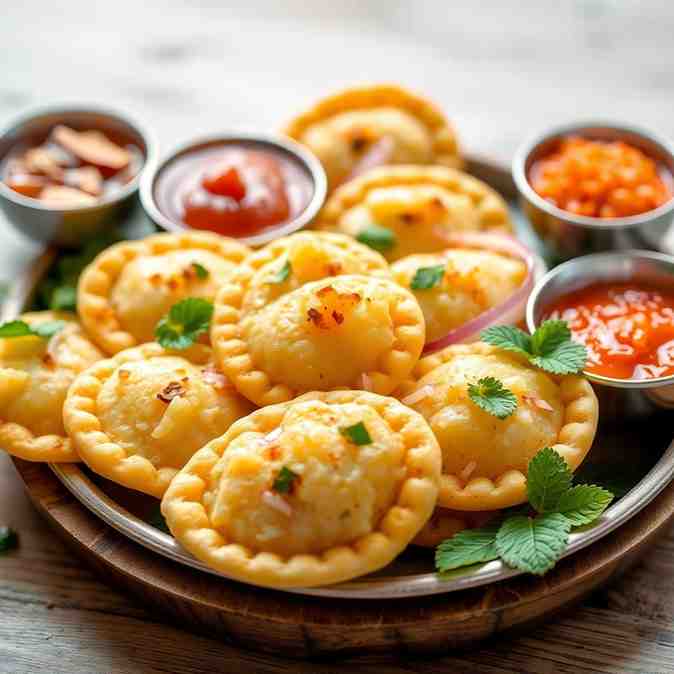
Dholl Puri - Split Peas Recipe
Dholl Puri - Split Peas Recipe

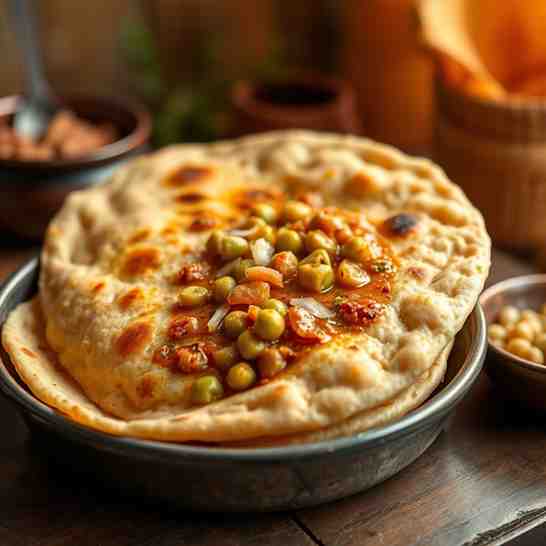
- Serves: 6 People
- Prepare Time: 45 minutes
- Cooking Time: 60 minutes
- Calories: -
- Difficulty: Medium
Ever craved a dish that whispers stories of sun-drenched streets and vibrant flavors? Look no further than Dholl Puri, a truly delicious split peas recipe that's a staple of Trinidadian street food. Often confused with its deep-fried cousin, traditional "puri," this isn't a fried bread recipe in the deep-fry sense. Instead, Dholl Puri is a soft, flavorful flatbread, generously stuffed with a savory, spiced yellow split peas filling, then cooked on a hot skillet until golden and tender. It’s a vegetarian delight, a true gem of international cuisine recipes, showcasing the rich cuisine of India's influence in the Caribbean.
This isn't just another recipe; it's your definitive guide to mastering the art of Dholl Puri. We'll walk you through every step, ensuring you achieve that perfect, crumbly filling texture, learn the secrets to flawless sealing and rolling, and confidently cook your flatbreads to golden perfection. Get ready to transform humble dry split peas into an extraordinary wrap food recipe that will have everyone asking for more!
Ingredients
Directions
- Make the Dough
- In a large mixing bowl, whisk together the all-purpose flour, baking powder, and salt.
- Pour in the neutral oil and mix it into the flour with your fingertips until the mixture resembles coarse crumbs.
- Gradually add the warm water, about ¼ cup at a time, mixing until a shaggy dough forms.
- Turn the dough out onto a lightly floured surface and knead for 8-10 minutes. Your goal is a smooth, very soft, and elastic dough. It should be easy to work with and bounce back slightly when poked.
- Place the dough back in the bowl, drizzle with a tiny bit of oil, cover with plastic wrap or a damp kitchen towel, and let it rest at room temperature for at least 30 minutes. This rest period is crucial; it allows the gluten to relax, making the dough much easier to roll thinly later without tearing.
- Cook the Split Peas to the Right Doneness
- Rinse the split peas or chana dal thoroughly under cold water until the water runs clear.
- Place the rinsed peas in a large pot and cover with about 3-4 cups of fresh water. Bring to a boil, then reduce heat to a simmer.
- Cook for 20-30 minutes, or until the peas are tender but still hold their shape. The perfect doneness cue: you should be able to easily crush a pea between your fingers, but it shouldn't be mushy or dissolving. We're looking for tender, not disintegrated.
- Drain the peas very thoroughly using a fine-mesh strainer. Shake the strainer well to remove as much excess water as possible.
- Dry + Grind the Filling (the key technique!)
- Spread the thoroughly drained peas out in a single layer on a baking sheet or a clean kitchen towel. Allow them to steam-dry for 10-15 minutes. This step is critical; it ensures your filling isn't wet or pasty, which would make rolling impossible. A dry, crumbly filling is the secret to thin, even Dholl Puri.
- Once slightly cooled and dry, transfer the peas to a food processor along with the garlic, hot pepper/green chili, ground cumin, turmeric, and salt.
- Pulse the mixture until it forms a fine, crumbly texture, similar to "damp sand." Do not over-process into a paste! You want distinct, fine crumbs.
- Taste and adjust salt or spice if needed. If your filling feels at all wet or sticky after grinding, spread it back out on a dry skillet over medium-low heat and stir constantly for 2-3 minutes to evaporate any remaining moisture. It should feel dry to the touch. If adding culantro/cilantro, stir it in now.
- Portion Dough and Filling (consistency is key!)
- Gently punch down the rested dough. Divide the dough into 10-12 equal-sized balls (about 2.5-3 ounces or 70-85g each). Roll them smooth.
- Divide the prepared split pea filling into the same number of equal portions. A simple way to do this is to eyeball it or use a tablespoon measure for consistency, aiming for about 2-3 tablespoons of filling per dough ball.
- Stuff + Seal (the clean-edge rule)
- Take one dough ball and flatten it into a 4-5 inch disc, making sure the center is slightly thicker than the edges. The thin edges will help you seal better.
- Place one portion of the split pea filling in the center of the flattened dough.
- Gather the edges of the dough up and around the filling, pinching them tightly together at the top to seal completely. Ensure there are no gaps for the filling to escape. The cleaner the seal, the less likely it is to burst while rolling or cooking.
- Gently roll the stuffed ball between your palms to smooth it out. Place the stuffed ball seam-side down on a lightly floured surface. Repeat with the remaining dough and filling.
- Let the stuffed balls rest for 5 minutes. This short rest allows the dough to relax slightly, making it less prone to tearing when you start rolling.
- Roll Thin Without Bursting
- Lightly dust your rolling surface and rolling pin with flour.
- Take one rested, stuffed dough ball. Gently begin rolling from the center outwards, rotating the dough frequently. Apply even, gentle pressure.
- Continue rolling until you have a thin, round flatbread, about 8-10 inches in diameter and about 1/8 inch thick. Don't worry if it's not perfectly round; practice makes perfect!
- If the dough cracks slightly, you can gently pinch it back together or try to roll past the crack. If a large tear occurs, try to patch it or accept a little filling might peek out – it will still taste delicious!
- Skillet-“Fry” (shallow-fry) on a Tawa
- Preheat a wide skillet or tawa (a heavy-bottomed cast iron or nonstick pan works best) over medium heat for about 3-5 minutes. How to tell it’s ready: a drop of water should sizzle and evaporate quickly.
- Lightly brush the hot skillet with about ½ teaspoon of neutral oil.
- Carefully place one rolled Dholl Puri onto the hot skillet.
- Cook the first side for 1-2 minutes, or until you see small bubbles appearing on the surface and light brown spots on the underside.
- Flip the roti, brush the cooked side with another ½ teaspoon of oil, and cook for another 1-2 minutes until golden brown spots appear.
- Flip one more time if needed, pressing gently with a spatula to ensure even cooking and browning. The roti should puff up slightly, indicating the layers are separating.
- Remove from the skillet and immediately place it between two clean kitchen towels or a sheet of parchment paper inside a warm container to keep it soft and pliable while you cook the remaining rotis. An optional lid on the container can help trap steam and keep them from drying out.
Dholl Puri - Split Peas Recipe
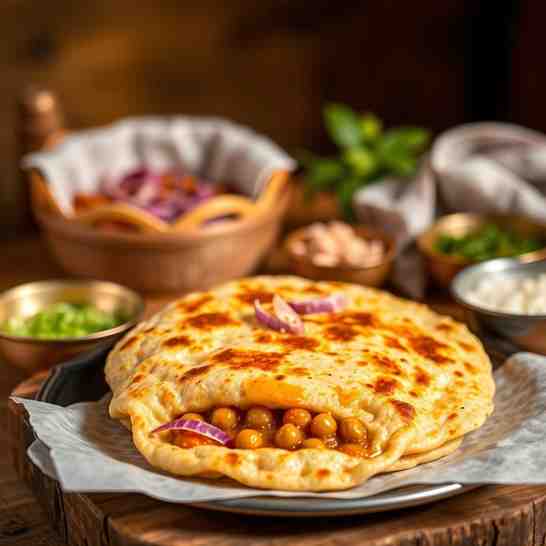
- Serves: 6 People
- Prepare Time: 45 minutes
- Cooking Time: 60 minutes
- Calories: -
- Difficulty: Medium
Ever craved a dish that whispers stories of sun-drenched streets and vibrant flavors? Look no further than Dholl Puri, a truly delicious split peas recipe that's a staple of Trinidadian street food. Often confused with its deep-fried cousin, traditional "puri," this isn't a fried bread recipe in the deep-fry sense. Instead, Dholl Puri is a soft, flavorful flatbread, generously stuffed with a savory, spiced yellow split peas filling, then cooked on a hot skillet until golden and tender. It’s a vegetarian delight, a true gem of international cuisine recipes, showcasing the rich cuisine of India's influence in the Caribbean.
This isn't just another recipe; it's your definitive guide to mastering the art of Dholl Puri. We'll walk you through every step, ensuring you achieve that perfect, crumbly filling texture, learn the secrets to flawless sealing and rolling, and confidently cook your flatbreads to golden perfection. Get ready to transform humble dry split peas into an extraordinary wrap food recipe that will have everyone asking for more!
Ingredients
Directions
- Make the Dough
- In a large mixing bowl, whisk together the all-purpose flour, baking powder, and salt.
- Pour in the neutral oil and mix it into the flour with your fingertips until the mixture resembles coarse crumbs.
- Gradually add the warm water, about ¼ cup at a time, mixing until a shaggy dough forms.
- Turn the dough out onto a lightly floured surface and knead for 8-10 minutes. Your goal is a smooth, very soft, and elastic dough. It should be easy to work with and bounce back slightly when poked.
- Place the dough back in the bowl, drizzle with a tiny bit of oil, cover with plastic wrap or a damp kitchen towel, and let it rest at room temperature for at least 30 minutes. This rest period is crucial; it allows the gluten to relax, making the dough much easier to roll thinly later without tearing.
- Cook the Split Peas to the Right Doneness
- Rinse the split peas or chana dal thoroughly under cold water until the water runs clear.
- Place the rinsed peas in a large pot and cover with about 3-4 cups of fresh water. Bring to a boil, then reduce heat to a simmer.
- Cook for 20-30 minutes, or until the peas are tender but still hold their shape. The perfect doneness cue: you should be able to easily crush a pea between your fingers, but it shouldn't be mushy or dissolving. We're looking for tender, not disintegrated.
- Drain the peas very thoroughly using a fine-mesh strainer. Shake the strainer well to remove as much excess water as possible.
- Dry + Grind the Filling (the key technique!)
- Spread the thoroughly drained peas out in a single layer on a baking sheet or a clean kitchen towel. Allow them to steam-dry for 10-15 minutes. This step is critical; it ensures your filling isn't wet or pasty, which would make rolling impossible. A dry, crumbly filling is the secret to thin, even Dholl Puri.
- Once slightly cooled and dry, transfer the peas to a food processor along with the garlic, hot pepper/green chili, ground cumin, turmeric, and salt.
- Pulse the mixture until it forms a fine, crumbly texture, similar to "damp sand." Do not over-process into a paste! You want distinct, fine crumbs.
- Taste and adjust salt or spice if needed. If your filling feels at all wet or sticky after grinding, spread it back out on a dry skillet over medium-low heat and stir constantly for 2-3 minutes to evaporate any remaining moisture. It should feel dry to the touch. If adding culantro/cilantro, stir it in now.
- Portion Dough and Filling (consistency is key!)
- Gently punch down the rested dough. Divide the dough into 10-12 equal-sized balls (about 2.5-3 ounces or 70-85g each). Roll them smooth.
- Divide the prepared split pea filling into the same number of equal portions. A simple way to do this is to eyeball it or use a tablespoon measure for consistency, aiming for about 2-3 tablespoons of filling per dough ball.
- Stuff + Seal (the clean-edge rule)
- Take one dough ball and flatten it into a 4-5 inch disc, making sure the center is slightly thicker than the edges. The thin edges will help you seal better.
- Place one portion of the split pea filling in the center of the flattened dough.
- Gather the edges of the dough up and around the filling, pinching them tightly together at the top to seal completely. Ensure there are no gaps for the filling to escape. The cleaner the seal, the less likely it is to burst while rolling or cooking.
- Gently roll the stuffed ball between your palms to smooth it out. Place the stuffed ball seam-side down on a lightly floured surface. Repeat with the remaining dough and filling.
- Let the stuffed balls rest for 5 minutes. This short rest allows the dough to relax slightly, making it less prone to tearing when you start rolling.
- Roll Thin Without Bursting
- Lightly dust your rolling surface and rolling pin with flour.
- Take one rested, stuffed dough ball. Gently begin rolling from the center outwards, rotating the dough frequently. Apply even, gentle pressure.
- Continue rolling until you have a thin, round flatbread, about 8-10 inches in diameter and about 1/8 inch thick. Don't worry if it's not perfectly round; practice makes perfect!
- If the dough cracks slightly, you can gently pinch it back together or try to roll past the crack. If a large tear occurs, try to patch it or accept a little filling might peek out – it will still taste delicious!
- Skillet-“Fry” (shallow-fry) on a Tawa
- Preheat a wide skillet or tawa (a heavy-bottomed cast iron or nonstick pan works best) over medium heat for about 3-5 minutes. How to tell it’s ready: a drop of water should sizzle and evaporate quickly.
- Lightly brush the hot skillet with about ½ teaspoon of neutral oil.
- Carefully place one rolled Dholl Puri onto the hot skillet.
- Cook the first side for 1-2 minutes, or until you see small bubbles appearing on the surface and light brown spots on the underside.
- Flip the roti, brush the cooked side with another ½ teaspoon of oil, and cook for another 1-2 minutes until golden brown spots appear.
- Flip one more time if needed, pressing gently with a spatula to ensure even cooking and browning. The roti should puff up slightly, indicating the layers are separating.
- Remove from the skillet and immediately place it between two clean kitchen towels or a sheet of parchment paper inside a warm container to keep it soft and pliable while you cook the remaining rotis. An optional lid on the container can help trap steam and keep them from drying out.
You may also like

Hey there! I’m just someone who seriously loves good food and believes that cooking doesn’t have to be complicated to be amazing. Whether it’s a quick weeknight dinner or a cozy weekend meal, I’m all about sharing easy, tasty recipes that actually work.