Faroese Beef Stew Recipe
Faroese Beef Stew Recipe
- Serves: 6 People
- Prepare Time: 25 minutes
- Cooking Time: 2 hours 30
- Calories: -
- Difficulty: Medium
Ever crave a meal that wraps you up like a warm blanket on a chilly day? That's exactly what you'll find with our Faroese-Style Beef Stew. Inspired by the rugged beauty and deep-rooted traditions of the Faroe Islands, this recipe to make beef stew isn't just food; it's an experience of "Heimablidni," the Faroese concept of home hospitality. While traditional Faroese cuisine often highlights lamb and seafood, we've adapted that hearty, root-vegetable-friendly spirit to create a truly comforting beef stew that's perfect for any home cook.
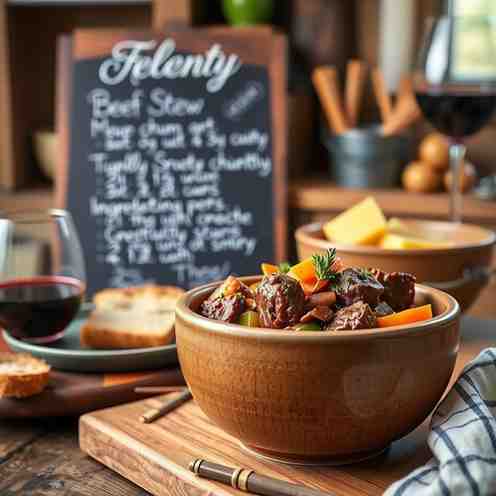
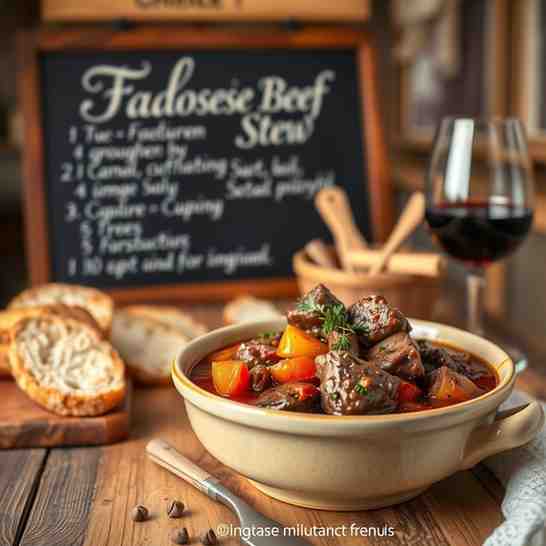
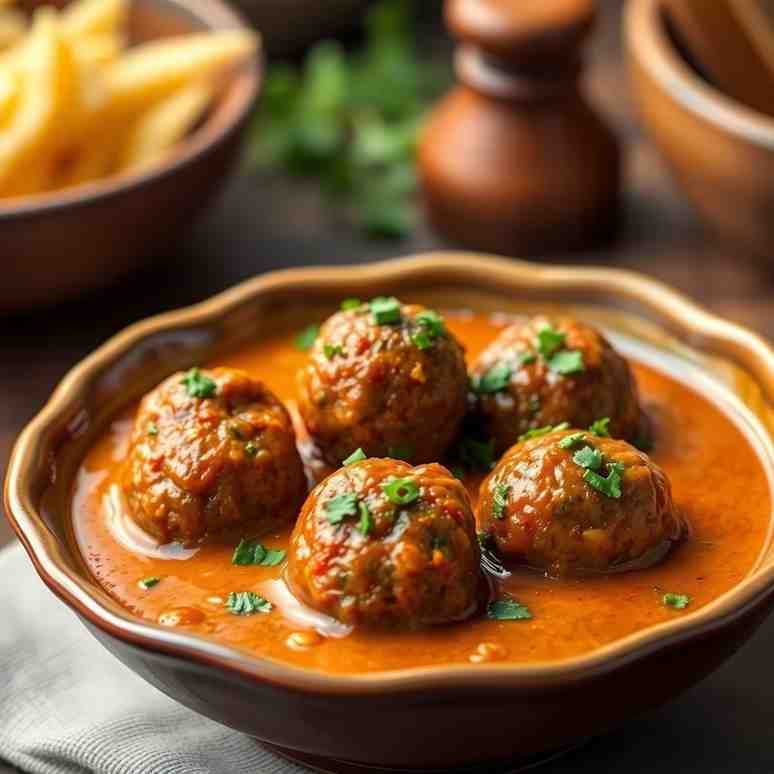
Imagine meltingly tender beef, swimming in a rich, savory broth, studded with wholesome root vegetables. This isn't a fussy dish; it’s about simple, quality beef stew ingredients coming together to create something truly special. We'll guide you through every step, from selecting the best way to cook stew beef to achieving that perfect, slow-simmered flavor. Get ready to discover a new favorite that’s surprisingly easy to master.
Before we dive into the nitty-gritty, here's a quick look at what to expect from this delightful stew. It's designed for minimal fuss but maximum flavor, built to warm you from the inside out, just like the cold climate of the North Atlantic demands.
Big Flavor Drivers: Deep browning of the beef, a long, gentle simmer, and the earthy sweetness of root vegetables.
The Faroe Islands are known for their breathtaking landscapes and a culinary tradition deeply tied to what's locally available and sustainable. This "Faroese-style" stew embraces that ethos: it’s about minimal fuss, deeply warming flavors, and making the most of hearty ingredients that grow or store well in a cool climate. Think potatoes, carrots, and especially rutabaga – a true Faroese-friendly root vegetable. While Faroese cuisine is famously lamb and seafood-forward, this recipe is a delicious beef version designed with ingredients readily available in the US, capturing the spirit of their comforting, resourceful cooking.
Choosing the right meat is crucial for a truly tender and flavorful stew. Don't just grab any old package!
Chuck Roast (Best All-Around): This is your go-to. It has good marbling (fat) that breaks down during slow cooking, resulting in incredibly tender, flavorful meat. Look for a well-marbled piece.
Brisket (Richer, Longer Cook): Brisket is another excellent choice, offering a richer flavor. It benefits from a slightly longer cooking time to become fall-apart tender.
Boneless Short Ribs (Most Luxurious): If you're looking to splurge a bit, boneless short ribs are incredibly flavorful and become wonderfully tender with slow cooking.
Lean Steaks (Dry Out): Cuts like sirloin, round, or flank steak are too lean for stewing. They’ll dry out and become tough, no matter how long you cook them. Save these for quick searing!
Pre-Cut “Stew Meat” (Inconsistent): Often, packages labeled “stew meat” contain various cuts, some suitable and some not. This inconsistency can lead to uneven cooking and tough pieces in your stew. It's better to buy a whole chuck roast and cut it yourself.
Rule of thumb: Aim for about 1/2 to 3/4 pound of beef per person, especially if it’s the main course. For 6-8 servings, a 2.5 to 3-pound chuck roast is perfect.
You don't need a lot of fancy gear for this easy beef soup recipe, just a few kitchen essentials:
Large Dutch oven/heavy pot with lid: Essential for even heat distribution and slow simmering.
Wooden spoon: For browning and stirring.
Knife + board: For prepping your ingredients.
Measuring cups/spoons: For accurate ingredient amounts.
Ingredients
Directions
- Prep + season the beefPat your beef cubes thoroughly dry with paper towels. This is crucial for getting a good sear! Season generously with 1 teaspoon salt and 1/2 teaspoon black pepper. If you're using flour for a slightly thicker broth, lightly dust the beef cubes with 1/4 cup flour, tossing to coat evenly. This helps with browning and adds a little body to the sauce later.
- Brown the beef (don’t skip)Heat 1 tablespoon of neutral oil in your large Dutch oven or heavy pot over medium-high heat until shimmering. Add the beef in a single layer, working in batches to avoid overcrowding the pot. Crowding will steam the meat instead of browning it. Brown each side until deeply caramelized – this should take about 3-5 minutes per side. Properly browned beef will have a rich, dark crust, which adds immense flavor to your stew. Remove the browned beef to a plate and set aside. Repeat with the remaining beef, adding the second tablespoon of oil if needed.
- Build the baseReduce the heat to medium. Add the chopped yellow onion and sliced leeks (if using) to the pot. Sauté, stirring occasionally, until softened and translucent, about 5-7 minutes. If you used flour on the beef, you might notice some fond (brown bits) stuck to the bottom of the pot – that's flavor! Stir in the tomato paste and minced garlic (if using) and cook for another minute until fragrant. Now, deglaze the pot: pour in about 1/2 cup of the beef broth and scrape up all those delicious brown bits from the bottom with your wooden spoon. This adds incredible depth to your stew.
- Low and slow simmerReturn the browned beef to the pot. Add the remaining beef broth, bay leaf, dried thyme, and Worcestershire sauce (if using). Bring the liquid to a gentle simmer. Once simmering, reduce the heat to low, cover the pot with the lid slightly cracked (to allow some steam to escape), and let it cook gently for 1 hour. This initial simmer starts to tenderize the stew meat recipes and build flavor.
- Add vegetables at the right timeAfter 1 hour, add the carrots and rutabaga (or turnips) to the pot. These firmer root vegetables need more time to soften. Continue to simmer, lid cracked, for another 45 minutes. Then, add the cubed potatoes. Adding them later prevents them from disintegrating into mush. Continue simmering for another 45 minutes, or until the beef is fork-tender and all the vegetables are soft but not mushy. This total beef stew cooking time allows everything to meld beautifully.
- Finish and adjustRemove the bay leaf. Taste the stew and adjust for salt and pepper as needed. For broth thickness, you have options: if you like it thicker, you can simmer uncovered for 10-15 minutes, or mash a few potatoes against the side of the pot to release their starch. If it's still too thin and you didn't use flour initially, you can make a tiny slurry (1 tablespoon flour mixed with 2 tablespoons cold water) and stir it in, simmering for a few minutes until thickened. Stir in the fresh parsley or chives right before serving. For an extra pop of flavor, a squeeze of lemon juice or a dash of vinegar adds brightness.
- Timing + Doneness (How to Know It’s Ready)Knowing when your stew is perfect is all about visual cues and texture:
- Approx cook time ranges: The total cooking time will be around 2.5 hours of simmering, but it can vary based on your stove and pot.
- Visual cues:
- Beef: Should be incredibly fork-tender, easily shredding apart with minimal pressure.
- Broth: Will have deepened in color, become richer, and be lightly thickened.
- Veg: Should be tender when pierced with a fork, but still hold their shape and not be mushy.
Faroese Beef Stew Recipe
- Serves: 6 People
- Prepare Time: 25 minutes
- Cooking Time: 2 hours 30
- Calories: -
- Difficulty: Medium
Ever crave a meal that wraps you up like a warm blanket on a chilly day? That's exactly what you'll find with our Faroese-Style Beef Stew. Inspired by the rugged beauty and deep-rooted traditions of the Faroe Islands, this recipe to make beef stew isn't just food; it's an experience of "Heimablidni," the Faroese concept of home hospitality. While traditional Faroese cuisine often highlights lamb and seafood, we've adapted that hearty, root-vegetable-friendly spirit to create a truly comforting beef stew that's perfect for any home cook.
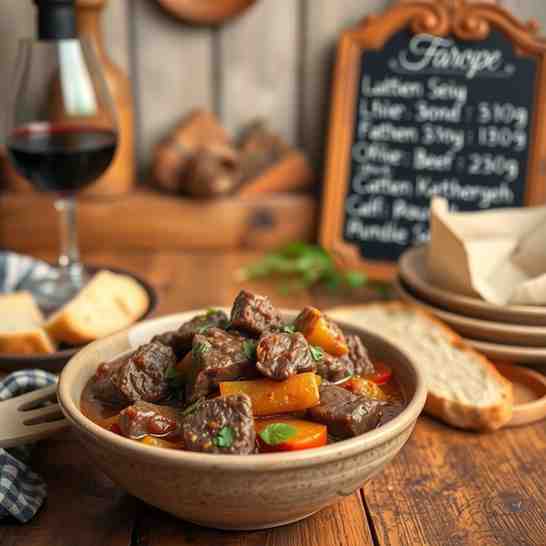
Imagine meltingly tender beef, swimming in a rich, savory broth, studded with wholesome root vegetables. This isn't a fussy dish; it’s about simple, quality beef stew ingredients coming together to create something truly special. We'll guide you through every step, from selecting the best way to cook stew beef to achieving that perfect, slow-simmered flavor. Get ready to discover a new favorite that’s surprisingly easy to master.
Before we dive into the nitty-gritty, here's a quick look at what to expect from this delightful stew. It's designed for minimal fuss but maximum flavor, built to warm you from the inside out, just like the cold climate of the North Atlantic demands.
Big Flavor Drivers: Deep browning of the beef, a long, gentle simmer, and the earthy sweetness of root vegetables.
The Faroe Islands are known for their breathtaking landscapes and a culinary tradition deeply tied to what's locally available and sustainable. This "Faroese-style" stew embraces that ethos: it’s about minimal fuss, deeply warming flavors, and making the most of hearty ingredients that grow or store well in a cool climate. Think potatoes, carrots, and especially rutabaga – a true Faroese-friendly root vegetable. While Faroese cuisine is famously lamb and seafood-forward, this recipe is a delicious beef version designed with ingredients readily available in the US, capturing the spirit of their comforting, resourceful cooking.
Choosing the right meat is crucial for a truly tender and flavorful stew. Don't just grab any old package!
Chuck Roast (Best All-Around): This is your go-to. It has good marbling (fat) that breaks down during slow cooking, resulting in incredibly tender, flavorful meat. Look for a well-marbled piece.
Brisket (Richer, Longer Cook): Brisket is another excellent choice, offering a richer flavor. It benefits from a slightly longer cooking time to become fall-apart tender.
Boneless Short Ribs (Most Luxurious): If you're looking to splurge a bit, boneless short ribs are incredibly flavorful and become wonderfully tender with slow cooking.
Lean Steaks (Dry Out): Cuts like sirloin, round, or flank steak are too lean for stewing. They’ll dry out and become tough, no matter how long you cook them. Save these for quick searing!
Pre-Cut “Stew Meat” (Inconsistent): Often, packages labeled “stew meat” contain various cuts, some suitable and some not. This inconsistency can lead to uneven cooking and tough pieces in your stew. It's better to buy a whole chuck roast and cut it yourself.
Rule of thumb: Aim for about 1/2 to 3/4 pound of beef per person, especially if it’s the main course. For 6-8 servings, a 2.5 to 3-pound chuck roast is perfect.
You don't need a lot of fancy gear for this easy beef soup recipe, just a few kitchen essentials:
Large Dutch oven/heavy pot with lid: Essential for even heat distribution and slow simmering.
Wooden spoon: For browning and stirring.
Knife + board: For prepping your ingredients.
Measuring cups/spoons: For accurate ingredient amounts.
Ingredients
Directions
- Prep + season the beefPat your beef cubes thoroughly dry with paper towels. This is crucial for getting a good sear! Season generously with 1 teaspoon salt and 1/2 teaspoon black pepper. If you're using flour for a slightly thicker broth, lightly dust the beef cubes with 1/4 cup flour, tossing to coat evenly. This helps with browning and adds a little body to the sauce later.
- Brown the beef (don’t skip)Heat 1 tablespoon of neutral oil in your large Dutch oven or heavy pot over medium-high heat until shimmering. Add the beef in a single layer, working in batches to avoid overcrowding the pot. Crowding will steam the meat instead of browning it. Brown each side until deeply caramelized – this should take about 3-5 minutes per side. Properly browned beef will have a rich, dark crust, which adds immense flavor to your stew. Remove the browned beef to a plate and set aside. Repeat with the remaining beef, adding the second tablespoon of oil if needed.
- Build the baseReduce the heat to medium. Add the chopped yellow onion and sliced leeks (if using) to the pot. Sauté, stirring occasionally, until softened and translucent, about 5-7 minutes. If you used flour on the beef, you might notice some fond (brown bits) stuck to the bottom of the pot – that's flavor! Stir in the tomato paste and minced garlic (if using) and cook for another minute until fragrant. Now, deglaze the pot: pour in about 1/2 cup of the beef broth and scrape up all those delicious brown bits from the bottom with your wooden spoon. This adds incredible depth to your stew.
- Low and slow simmerReturn the browned beef to the pot. Add the remaining beef broth, bay leaf, dried thyme, and Worcestershire sauce (if using). Bring the liquid to a gentle simmer. Once simmering, reduce the heat to low, cover the pot with the lid slightly cracked (to allow some steam to escape), and let it cook gently for 1 hour. This initial simmer starts to tenderize the stew meat recipes and build flavor.
- Add vegetables at the right timeAfter 1 hour, add the carrots and rutabaga (or turnips) to the pot. These firmer root vegetables need more time to soften. Continue to simmer, lid cracked, for another 45 minutes. Then, add the cubed potatoes. Adding them later prevents them from disintegrating into mush. Continue simmering for another 45 minutes, or until the beef is fork-tender and all the vegetables are soft but not mushy. This total beef stew cooking time allows everything to meld beautifully.
- Finish and adjustRemove the bay leaf. Taste the stew and adjust for salt and pepper as needed. For broth thickness, you have options: if you like it thicker, you can simmer uncovered for 10-15 minutes, or mash a few potatoes against the side of the pot to release their starch. If it's still too thin and you didn't use flour initially, you can make a tiny slurry (1 tablespoon flour mixed with 2 tablespoons cold water) and stir it in, simmering for a few minutes until thickened. Stir in the fresh parsley or chives right before serving. For an extra pop of flavor, a squeeze of lemon juice or a dash of vinegar adds brightness.
- Timing + Doneness (How to Know It’s Ready)Knowing when your stew is perfect is all about visual cues and texture:
- Approx cook time ranges: The total cooking time will be around 2.5 hours of simmering, but it can vary based on your stove and pot.
- Visual cues:
- Beef: Should be incredibly fork-tender, easily shredding apart with minimal pressure.
- Broth: Will have deepened in color, become richer, and be lightly thickened.
- Veg: Should be tender when pierced with a fork, but still hold their shape and not be mushy.
You may also like



Hey there! I’m just someone who seriously loves good food and believes that cooking doesn’t have to be complicated to be amazing. Whether it’s a quick weeknight dinner or a cozy weekend meal, I’m all about sharing easy, tasty recipes that actually work.