
Halim Bademjan - Iranian Eggplant Dip Recipe
Halim Bademjan - Iranian Eggplant Dip Recipe
- Serves: 6 People
- Prepare Time: 20 minutes
- Cooking Time: 75 minutes
- Calories: -
- Difficulty: Medium
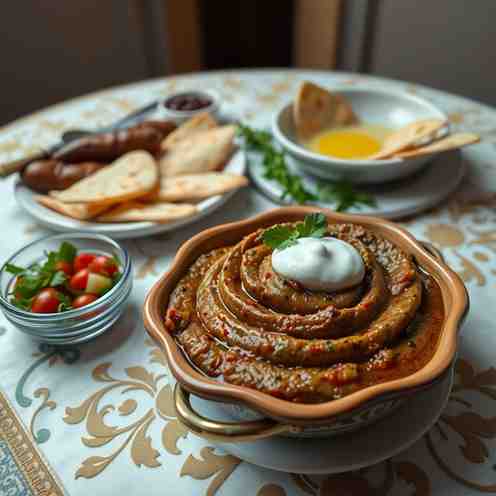
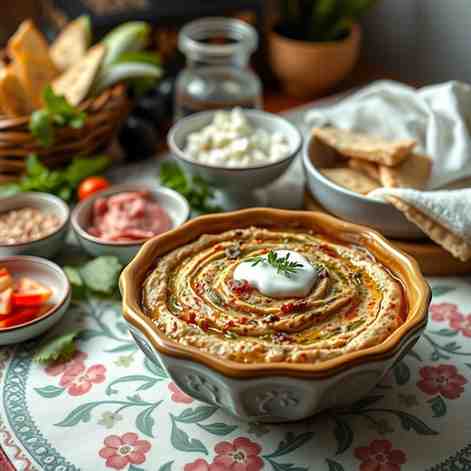
Get ready to dive spoon-first into Halim Bademjan, a truly special Iranian food recipe that’s warm, creamy, and so wonderfully scoopable it practically eats like a meal! This isn't just any dip; it’s a hearty, flavorful Persian eggplant and lentil masterpiece that brings the vibrant tastes of Persian cuisine right to your kitchen. Forget complicated steps or hunting for specialty equipment – we’re bringing you an authentic flavor experience with US-friendly instructions, making this one of the most delightful and simple Persian recipes you’ll ever try. Whether you're a seasoned chef or just starting your journey into Iranian dishes, get ready to fall in love with this incredible vegetarian lentil dip.
While both are beloved Persian eggplant dips, Halim Bademjan and Kashk-e Bademjan have distinct characteristics:
Kashk-e Bademjan often features fried eggplant and a heavier, more prominent use of kashk (fermented whey).
Halim Bademjan typically includes lentils (and often a little rice) for a heartier, creamier, and more substantial texture.
Kashk-e Bademjan can be smoother or chunkier, but Halim Bademjan is known for its "pulled" or "mashed" consistency, often with the addition of the grains.
While both are undeniably delicious, Halim Bademjan offers a more satisfying, meal-like experience thanks to the added body from the lentils and rice.
Today’s recipe = vegetarian Halim Bademjan-style dip (lentils + a little rice for body, finished with kashk).
Ingredients
Directions
- The Game Plan (30-Second Overview): First, you'll roast your eggplants until they're tender and caramelized. While that’s happening, cook your lentils and rice until they’re super soft. Next, whip up a flavorful onion, garlic, and mint topping. Then, combine everything and mash it all together to that perfect creamy consistency. Finish it off with a swirl of kashk, and finally, garnish like a pro!
- Roast the Eggplants (Hands-Off) Preheat your oven to 400°F (200°C). Wash your eggplants and slice them lengthwise. Score the flesh deeply in a crosshatch pattern (don't cut through the skin). If your eggplants seem particularly watery, you can lightly salt the cut sides and let them sit for 15-20 minutes, then pat them dry with paper towels to draw out excess moisture. Brush the cut sides with 1-2 tablespoons of neutral oil or olive oil. Place them cut-side down on a parchment-lined sheet pan. Roast for 30-40 minutes, or until the eggplants are completely collapsed, very tender, and slightly caramelized. Once cooled enough to handle, scoop out the soft flesh, leaving the skin behind. Discard any excessively watery parts.
- Cook Lentils + Rice Until Soft Rinse your red lentils and white rice under cold water until the water runs clear. In a medium pot, combine the rinsed lentils and rice with about 3 cups of water. Bring to a boil, then reduce heat to low, cover, and simmer for 20-30 minutes, or until both the lentils and rice are completely broken down and very soft. You want a thick, porridge-like consistency, so avoid adding too much water. If it gets too dry, add a splash of hot water.
- Make the Onion Base + Na’na Daq (Mint Oil) While the lentils cook, heat 2 tablespoons of oil in a large skillet over medium-low heat. Add your finely diced yellow onion and cook slowly, stirring occasionally, until deeply golden brown and caramelized (about 15-20 minutes). This slow process builds incredible flavor! Reserve about a quarter of these caramelized onions for garnish. To the remaining onions in the pan, add the minced garlic and turmeric. Sauté for another minute until fragrant. Stir in 1-2 tablespoons of dried mint briefly – literally 15-30 seconds. The key here is to awaken its flavor without burning it, which can make it bitter. Keep the heat low.
- Combine and Mash to the Right Texture Add the roasted eggplant flesh and the cooked lentil/rice mixture to the skillet with the onion base (or transfer everything to a large pot if your skillet is too small). Using a potato masher or a sturdy fork, mash everything together vigorously until it reaches a consistency somewhere between thick hummus and soft mashed potatoes. You want it creamy with some texture, not perfectly smooth. If using, stir in the chopped walnuts now.
- Finish with Kashk (The Right Way) In a small bowl, dilute ½ cup of kashk with a few tablespoons of hot water, whisking until it's a smooth, pourable cream. Stir the diluted kashk into the eggplant and lentil mixture off-heat, or on very low heat, ensuring it's well combined. Avoid vigorous boiling once kashk is added, as it can curdle. Taste and adjust the seasoning. Add more salt if needed, or a tiny splash of lemon juice if you want a bit more tang (though the kashk provides plenty).
- Serve + Garnish Transfer the Halim Bademjan to a serving platter or bowl. Create a beautiful presentation by drizzling extra diluted kashk over the top in a decorative pattern. Scatter the reserved caramelized onions, a swirl of mint oil (Na’na Daq), and chopped walnuts over the kashk. A pinch of saffron water can also add a lovely color and aroma. Serve warm with plenty of fresh lavash, barbari, or pita bread for scooping. Enjoy your delicious Persian dish!
Halim Bademjan - Iranian Eggplant Dip Recipe

- Serves: 6 People
- Prepare Time: 20 minutes
- Cooking Time: 75 minutes
- Calories: -
- Difficulty: Medium
Get ready to dive spoon-first into Halim Bademjan, a truly special Iranian food recipe that’s warm, creamy, and so wonderfully scoopable it practically eats like a meal! This isn't just any dip; it’s a hearty, flavorful Persian eggplant and lentil masterpiece that brings the vibrant tastes of Persian cuisine right to your kitchen. Forget complicated steps or hunting for specialty equipment – we’re bringing you an authentic flavor experience with US-friendly instructions, making this one of the most delightful and simple Persian recipes you’ll ever try. Whether you're a seasoned chef or just starting your journey into Iranian dishes, get ready to fall in love with this incredible vegetarian lentil dip.
While both are beloved Persian eggplant dips, Halim Bademjan and Kashk-e Bademjan have distinct characteristics:
Kashk-e Bademjan often features fried eggplant and a heavier, more prominent use of kashk (fermented whey).
Halim Bademjan typically includes lentils (and often a little rice) for a heartier, creamier, and more substantial texture.
Kashk-e Bademjan can be smoother or chunkier, but Halim Bademjan is known for its "pulled" or "mashed" consistency, often with the addition of the grains.
While both are undeniably delicious, Halim Bademjan offers a more satisfying, meal-like experience thanks to the added body from the lentils and rice.
Today’s recipe = vegetarian Halim Bademjan-style dip (lentils + a little rice for body, finished with kashk).
Ingredients
Directions
- The Game Plan (30-Second Overview): First, you'll roast your eggplants until they're tender and caramelized. While that’s happening, cook your lentils and rice until they’re super soft. Next, whip up a flavorful onion, garlic, and mint topping. Then, combine everything and mash it all together to that perfect creamy consistency. Finish it off with a swirl of kashk, and finally, garnish like a pro!
- Roast the Eggplants (Hands-Off) Preheat your oven to 400°F (200°C). Wash your eggplants and slice them lengthwise. Score the flesh deeply in a crosshatch pattern (don't cut through the skin). If your eggplants seem particularly watery, you can lightly salt the cut sides and let them sit for 15-20 minutes, then pat them dry with paper towels to draw out excess moisture. Brush the cut sides with 1-2 tablespoons of neutral oil or olive oil. Place them cut-side down on a parchment-lined sheet pan. Roast for 30-40 minutes, or until the eggplants are completely collapsed, very tender, and slightly caramelized. Once cooled enough to handle, scoop out the soft flesh, leaving the skin behind. Discard any excessively watery parts.
- Cook Lentils + Rice Until Soft Rinse your red lentils and white rice under cold water until the water runs clear. In a medium pot, combine the rinsed lentils and rice with about 3 cups of water. Bring to a boil, then reduce heat to low, cover, and simmer for 20-30 minutes, or until both the lentils and rice are completely broken down and very soft. You want a thick, porridge-like consistency, so avoid adding too much water. If it gets too dry, add a splash of hot water.
- Make the Onion Base + Na’na Daq (Mint Oil) While the lentils cook, heat 2 tablespoons of oil in a large skillet over medium-low heat. Add your finely diced yellow onion and cook slowly, stirring occasionally, until deeply golden brown and caramelized (about 15-20 minutes). This slow process builds incredible flavor! Reserve about a quarter of these caramelized onions for garnish. To the remaining onions in the pan, add the minced garlic and turmeric. Sauté for another minute until fragrant. Stir in 1-2 tablespoons of dried mint briefly – literally 15-30 seconds. The key here is to awaken its flavor without burning it, which can make it bitter. Keep the heat low.
- Combine and Mash to the Right Texture Add the roasted eggplant flesh and the cooked lentil/rice mixture to the skillet with the onion base (or transfer everything to a large pot if your skillet is too small). Using a potato masher or a sturdy fork, mash everything together vigorously until it reaches a consistency somewhere between thick hummus and soft mashed potatoes. You want it creamy with some texture, not perfectly smooth. If using, stir in the chopped walnuts now.
- Finish with Kashk (The Right Way) In a small bowl, dilute ½ cup of kashk with a few tablespoons of hot water, whisking until it's a smooth, pourable cream. Stir the diluted kashk into the eggplant and lentil mixture off-heat, or on very low heat, ensuring it's well combined. Avoid vigorous boiling once kashk is added, as it can curdle. Taste and adjust the seasoning. Add more salt if needed, or a tiny splash of lemon juice if you want a bit more tang (though the kashk provides plenty).
- Serve + Garnish Transfer the Halim Bademjan to a serving platter or bowl. Create a beautiful presentation by drizzling extra diluted kashk over the top in a decorative pattern. Scatter the reserved caramelized onions, a swirl of mint oil (Na’na Daq), and chopped walnuts over the kashk. A pinch of saffron water can also add a lovely color and aroma. Serve warm with plenty of fresh lavash, barbari, or pita bread for scooping. Enjoy your delicious Persian dish!
You may also like




Hey there! I’m just someone who seriously loves good food and believes that cooking doesn’t have to be complicated to be amazing. Whether it’s a quick weeknight dinner or a cozy weekend meal, I’m all about sharing easy, tasty recipes that actually work.