
Kenyan Managu Recipe - Easy, Creamy African Food Recipes
Kenyan Managu Recipe - Easy, Creamy African Food Recipes
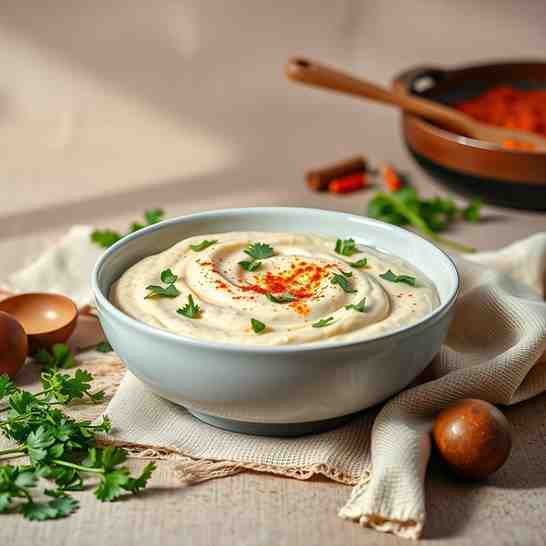
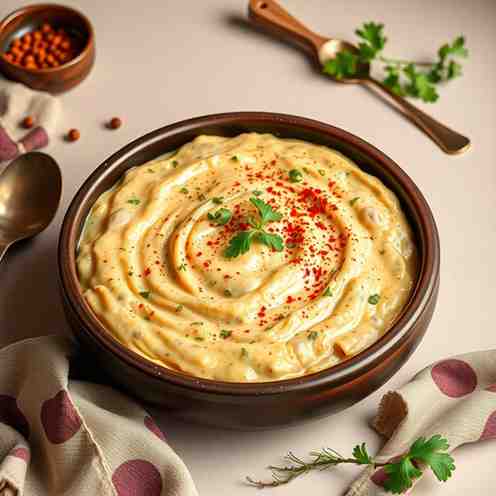
- Serves: 4 People
- Prepare Time: 15 minutes
- Cooking Time: 20 minutes
- Calories: -
- Difficulty: Easy
Ready to explore the vibrant world of african food recipes? This authentic Kenyan Managu recipe is a true delight – featuring tender, nutritious African nightshade leaves (Managu) cooked to creamy perfection. Often misunderstood for its potential bitterness or mushy texture, our method guarantees a dish that's beautifully green, wonderfully creamy, and perfectly balanced, making it one of the most satisfying vegetable meals easy to prepare. Forget bland greens; this is a simple nutritious recipe that’s also naturally gluten free delicious. In this guide, you’ll learn all the secrets: from how to properly clean Managu to taming any bitterness and ensuring it’s never overcooked, making it an easy nutritious meal for anyone.
Managu, also widely known as African nightshade, is a staple green vegetable across East Africa. You might hear it referred to by other local names like Osuga (Luo) or Risudza/Risutsa (Luhya and other communities). These vibrant greens have an earthy flavor with a characteristic subtle bitterness, which, when prepared correctly, adds to their unique deliciousness. The key is to balance this natural bitterness, not eliminate it entirely, to preserve its authentic taste.
A Quick Safety Note: While the leaves of edible African nightshade varieties are a nutritious part of many diets, it's crucial to always ensure you are using the correct edible species. Avoid consuming unknown nightshade plants or their berries, as some can be toxic. Always source your managu from reputable markets or growers.
Ingredients
Directions
- Blanch to Tame Bitterness: Bring a medium pot of water to a rolling boil. Add the cleaned managu leaves to the boiling water. Let them blanch for a brief 2-3 minutes. You'll notice the leaves turn a brighter green and begin to soften slightly. This quick boil helps to "knock down" some of the natural bitterness.
- Drain Thoroughly: Immediately drain the managu in a colander. Gently press out any excess water with the back of a spoon or your hands. Discard the blanching liquid; it contains some of the compounds that contribute to bitterness.
- Build the Flavor Base: Heat the neutral oil in a large skillet or sauté pan over medium heat. Add the chopped onion and sauté until softened and translucent, about 3-5 minutes. If using, add minced garlic and grated ginger now and cook for another minute until fragrant.
- Add Tomato: Stir in the diced tomatoes (or tomato paste). Cook, stirring occasionally, until the tomatoes break down and the mixture thickens into a rich, pulpy paste – this usually takes 5-7 minutes. This concentrated tomato base is key for a creamy, flavorful sauce.
- Combine & Season: Add the drained managu to the skillet. Stir well to combine it with the onion and tomato base. Season with salt, black pepper, and the optional stock cube powder. Cook for 2-3 minutes, allowing the flavors to meld.
- Creamy Finish: Pour in the measured 1/2 cup of milk (or coconut milk). Stir gently to incorporate. Bring the mixture to a gentle simmer. Cook for only 3-5 minutes, or until the managu is tender but still holds its shape and is not mushy. Avoid boiling hard, as this can overcook the greens and dull their vibrant color.
- Rest & Serve: Remove the skillet from the heat. Let the managu rest for 5 minutes before serving. This allows the flavors to deepen and the sauce to thicken slightly.
Kenyan Managu Recipe - Easy, Creamy African Food Recipes

- Serves: 4 People
- Prepare Time: 15 minutes
- Cooking Time: 20 minutes
- Calories: -
- Difficulty: Easy
Ready to explore the vibrant world of african food recipes? This authentic Kenyan Managu recipe is a true delight – featuring tender, nutritious African nightshade leaves (Managu) cooked to creamy perfection. Often misunderstood for its potential bitterness or mushy texture, our method guarantees a dish that's beautifully green, wonderfully creamy, and perfectly balanced, making it one of the most satisfying vegetable meals easy to prepare. Forget bland greens; this is a simple nutritious recipe that’s also naturally gluten free delicious. In this guide, you’ll learn all the secrets: from how to properly clean Managu to taming any bitterness and ensuring it’s never overcooked, making it an easy nutritious meal for anyone.
Managu, also widely known as African nightshade, is a staple green vegetable across East Africa. You might hear it referred to by other local names like Osuga (Luo) or Risudza/Risutsa (Luhya and other communities). These vibrant greens have an earthy flavor with a characteristic subtle bitterness, which, when prepared correctly, adds to their unique deliciousness. The key is to balance this natural bitterness, not eliminate it entirely, to preserve its authentic taste.
A Quick Safety Note: While the leaves of edible African nightshade varieties are a nutritious part of many diets, it's crucial to always ensure you are using the correct edible species. Avoid consuming unknown nightshade plants or their berries, as some can be toxic. Always source your managu from reputable markets or growers.
Ingredients
Directions
- Blanch to Tame Bitterness: Bring a medium pot of water to a rolling boil. Add the cleaned managu leaves to the boiling water. Let them blanch for a brief 2-3 minutes. You'll notice the leaves turn a brighter green and begin to soften slightly. This quick boil helps to "knock down" some of the natural bitterness.
- Drain Thoroughly: Immediately drain the managu in a colander. Gently press out any excess water with the back of a spoon or your hands. Discard the blanching liquid; it contains some of the compounds that contribute to bitterness.
- Build the Flavor Base: Heat the neutral oil in a large skillet or sauté pan over medium heat. Add the chopped onion and sauté until softened and translucent, about 3-5 minutes. If using, add minced garlic and grated ginger now and cook for another minute until fragrant.
- Add Tomato: Stir in the diced tomatoes (or tomato paste). Cook, stirring occasionally, until the tomatoes break down and the mixture thickens into a rich, pulpy paste – this usually takes 5-7 minutes. This concentrated tomato base is key for a creamy, flavorful sauce.
- Combine & Season: Add the drained managu to the skillet. Stir well to combine it with the onion and tomato base. Season with salt, black pepper, and the optional stock cube powder. Cook for 2-3 minutes, allowing the flavors to meld.
- Creamy Finish: Pour in the measured 1/2 cup of milk (or coconut milk). Stir gently to incorporate. Bring the mixture to a gentle simmer. Cook for only 3-5 minutes, or until the managu is tender but still holds its shape and is not mushy. Avoid boiling hard, as this can overcook the greens and dull their vibrant color.
- Rest & Serve: Remove the skillet from the heat. Let the managu rest for 5 minutes before serving. This allows the flavors to deepen and the sauce to thicken slightly.
You may also like



Hey there! I’m just someone who seriously loves good food and believes that cooking doesn’t have to be complicated to be amazing. Whether it’s a quick weeknight dinner or a cozy weekend meal, I’m all about sharing easy, tasty recipes that actually work.