
Klippfiskur - Desalt & Cook Delicious Salted Cod Fish
Klippfiskur - Desalt & Cook Delicious Salted Cod Fish

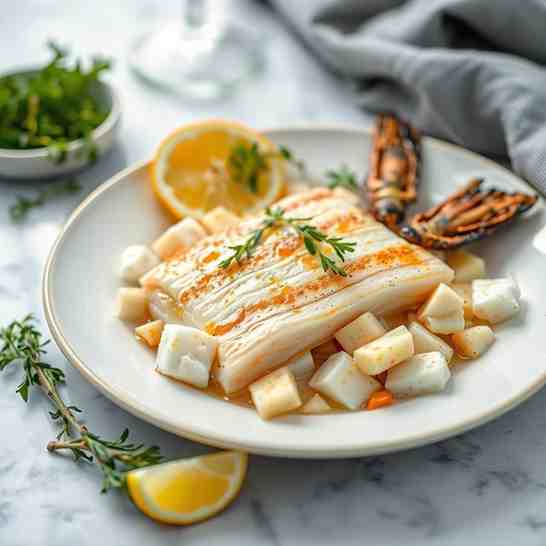
- Serves: 4 People
- Prepare Time: 15 minutes
- Cooking Time: 45 minutes
- Calories: -
- Difficulty: Medium
Hey there, food adventurers! Ever heard of a dish that takes a little planning but delivers massive flavor? Well, get ready to dive into the world of Klippfiskur, a true Faroese delicacy. If you’re a fan of rich, savory seafood, then you’re in for a treat. Klippfiskur is essentially dried, salted cod fish, and while it might sound intimidating, the small "plan ahead" step of desalting is absolutely worth it for the incredible depth of flavor it brings. Today, we’re not just talking about salted cod fish; we're going to walk you through making a comforting, hearty Faroese-style tomato-potato stew that highlights this unique ingredient beautifully. It’s a taste of the Faroe Islands right in your kitchen, and we promise, it's easier than you think!
Making Klippfiskur isn't difficult, but it does require a little foresight. Here’s your quick timeline:
Day 1: Start soaking your salted cod fish. This is crucial for removing excess salt, and it must be kept in the fridge to prevent spoilage.
Day 2 (or Day 3): Once desalted, you’re ready to cook your delicious stew!
Shortcut notes: While some pre-desalted salted cod fish is available, for the best flavor and texture in this recipe, starting with fully cured fish and desalting it yourself is recommended. Pre-desalted fish will require less soaking time, if any, so always check the packaging.
In plain English, Klippfiskur is salted cod fish that has been dried, usually by air and sun, or in modern drying facilities. The name "Klippfiskur" literally means "cliff fish" in Faroese, referring to the traditional drying methods on cliffsides. It's part of a global family of preserved fish known by various names like bacalao (Spanish/Portuguese), baccalà (Italian), or simply saltfish.
How does it compare to stockfish? While both are dried fish, stockfish is air-dried without salt, making it much harder and requiring even longer soaking. Klippfiskur, being salted, has a different texture and flavor profile, making it distinctively rich and savory after proper rehydration.
The Faroe Islands have a deep, historical connection to salted cod fish. You might see terms like "saltfiskur" or "klippfiskur" on labels. Historically, preserving fish through salting and drying was vital for food security in the harsh Nordic climate and allowed for trade across vast distances. This tradition connects Faroese culinary heritage directly to the Mediterranean bacalao traditions, where similar salted fish became a staple due to trade routes established centuries ago. It's a testament to the power of preservation!
When picking your salted cod fish for this stew, look for:
What cut works best: Thick, even pieces of cod fillet are ideal. This ensures they cook uniformly and don't fall apart too quickly. Avoid overly thin or shredded pieces, which are better suited for fish cakes.
What "good quality" looks/smells like: The fish should be firm, with a creamy-white to slightly yellowish color. It should have a mild, clean fishy smell, not an overpowering or ammonia-like odor. Avoid any pieces with red spots or a slimy texture.
Already-desalted vs. fully cured: Fully cured, heavily salted cod will give you the most authentic flavor and texture, but requires the full desalting process. Already-desalted fish will save time but might lack some of the intense flavor developed during the full curing process. Adjust soaking times accordingly if using pre-desalted varieties.
This is the most critical step for delicious salted cod fish!
1. Rinse first: Before soaking, give your Klippfiskur a good rinse under cold running water. This removes surface salt and any impurities.
2. Water-to-fish ratio: Place the rinsed fish in a large bowl or container. Cover it completely with cold water, ensuring there’s plenty of extra water (at least 2-3 times the volume of the fish).
3. Container + fridge placement: Use a non-reactive container (glass, ceramic, or plastic). Place the bowl in the coldest part of your refrigerator. Keeping it cold is essential to prevent bacterial growth.
4. How often to change water: Change the water every 6-8 hours, or at least 2-3 times a day. Each time you change the water, give the fish another quick rinse. For thick pieces, this process usually takes 2-3 days.
5. Taste test: what you’re aiming for: After 2 days, cut off a small piece, pat it dry, and taste it. It should still be salty, but pleasantly so – not overwhelmingly salty like ocean water. If it's still too salty, continue soaking and changing the water for another half-day or day.
This is a single, canonical recipe designed to highlight the unique flavor of Klippfiskur.
Ingredients
Directions
- Desalt the Cod (2-3 Days Ahead): Follow the desalting instructions above. Once desalted, pat the salted cod fish dry with paper towels and cut it into 1.5 to 2-inch pieces. Set aside.
- Prep Your Veg: Peel and chop the yellow onions finely. Peel and mince the garlic. Peel the potatoes and cut them into roughly 1-inch cubes.
- Build the Base: Heat the olive oil in your Dutch oven or heavy pot over medium heat. Add the chopped onions and cook, stirring occasionally, until softened and translucent, about 8-10 minutes. Add the minced garlic and cook for another 1-2 minutes until fragrant, being careful not to burn it. Pour in the crushed tomatoes or passata and add the bay leaves. Bring to a gentle simmer.
- Simmer Potatoes: Add the cubed potatoes to the pot. Stir gently to combine. Cover the pot and let it simmer for about 15-20 minutes, or until the potatoes are nearly tender but still have a slight bite.
- Add Desalted Cod: Gently nestle the desalted salted cod fish pieces into the simmering tomato-potato mixture. Do not stir vigorously, as the fish is delicate. Cover the pot again and continue to cook for another 8-12 minutes, or until the fish is flaky and cooked through.
- Finish + Taste: Remove the bay leaves. Season with freshly ground black pepper. Taste the stew. Because the cod was salted, you will likely not need to add any additional salt. If, after tasting, you feel it needs a tiny bit more, add it very cautiously. Garnish with fresh chopped parsley and a squeeze of fresh lemon juice, if desired, before serving.
- Doneness + Texture Cues (Make it Foolproof)
- What the cod looks like when done: The salted cod fish should be opaque throughout and easily flake apart with a fork. It will have a beautiful, tender texture.
- How to avoid rubbery fish: Do not overcook the Klippfiskur! Once it flakes easily, it’s done. Overcooking will make the fish tough and rubbery, losing its delicate texture. Keep an eye on it during the final cooking stage.
Klippfiskur - Desalt & Cook Delicious Salted Cod Fish
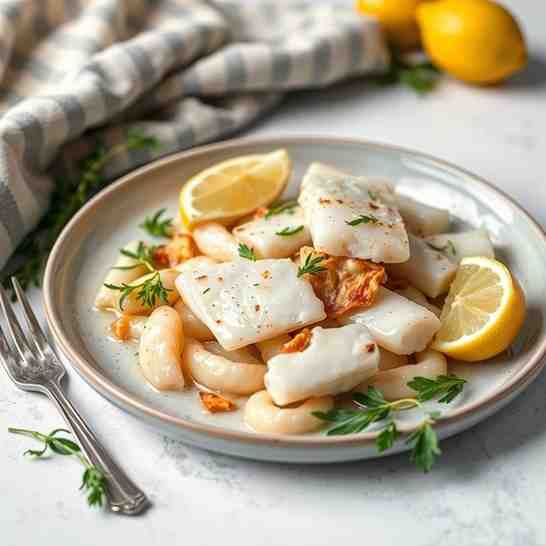
- Serves: 4 People
- Prepare Time: 15 minutes
- Cooking Time: 45 minutes
- Calories: -
- Difficulty: Medium
Hey there, food adventurers! Ever heard of a dish that takes a little planning but delivers massive flavor? Well, get ready to dive into the world of Klippfiskur, a true Faroese delicacy. If you’re a fan of rich, savory seafood, then you’re in for a treat. Klippfiskur is essentially dried, salted cod fish, and while it might sound intimidating, the small "plan ahead" step of desalting is absolutely worth it for the incredible depth of flavor it brings. Today, we’re not just talking about salted cod fish; we're going to walk you through making a comforting, hearty Faroese-style tomato-potato stew that highlights this unique ingredient beautifully. It’s a taste of the Faroe Islands right in your kitchen, and we promise, it's easier than you think!
Making Klippfiskur isn't difficult, but it does require a little foresight. Here’s your quick timeline:
Day 1: Start soaking your salted cod fish. This is crucial for removing excess salt, and it must be kept in the fridge to prevent spoilage.
Day 2 (or Day 3): Once desalted, you’re ready to cook your delicious stew!
Shortcut notes: While some pre-desalted salted cod fish is available, for the best flavor and texture in this recipe, starting with fully cured fish and desalting it yourself is recommended. Pre-desalted fish will require less soaking time, if any, so always check the packaging.
In plain English, Klippfiskur is salted cod fish that has been dried, usually by air and sun, or in modern drying facilities. The name "Klippfiskur" literally means "cliff fish" in Faroese, referring to the traditional drying methods on cliffsides. It's part of a global family of preserved fish known by various names like bacalao (Spanish/Portuguese), baccalà (Italian), or simply saltfish.
How does it compare to stockfish? While both are dried fish, stockfish is air-dried without salt, making it much harder and requiring even longer soaking. Klippfiskur, being salted, has a different texture and flavor profile, making it distinctively rich and savory after proper rehydration.
The Faroe Islands have a deep, historical connection to salted cod fish. You might see terms like "saltfiskur" or "klippfiskur" on labels. Historically, preserving fish through salting and drying was vital for food security in the harsh Nordic climate and allowed for trade across vast distances. This tradition connects Faroese culinary heritage directly to the Mediterranean bacalao traditions, where similar salted fish became a staple due to trade routes established centuries ago. It's a testament to the power of preservation!
When picking your salted cod fish for this stew, look for:
What cut works best: Thick, even pieces of cod fillet are ideal. This ensures they cook uniformly and don't fall apart too quickly. Avoid overly thin or shredded pieces, which are better suited for fish cakes.
What "good quality" looks/smells like: The fish should be firm, with a creamy-white to slightly yellowish color. It should have a mild, clean fishy smell, not an overpowering or ammonia-like odor. Avoid any pieces with red spots or a slimy texture.
Already-desalted vs. fully cured: Fully cured, heavily salted cod will give you the most authentic flavor and texture, but requires the full desalting process. Already-desalted fish will save time but might lack some of the intense flavor developed during the full curing process. Adjust soaking times accordingly if using pre-desalted varieties.
This is the most critical step for delicious salted cod fish!
1. Rinse first: Before soaking, give your Klippfiskur a good rinse under cold running water. This removes surface salt and any impurities.
2. Water-to-fish ratio: Place the rinsed fish in a large bowl or container. Cover it completely with cold water, ensuring there’s plenty of extra water (at least 2-3 times the volume of the fish).
3. Container + fridge placement: Use a non-reactive container (glass, ceramic, or plastic). Place the bowl in the coldest part of your refrigerator. Keeping it cold is essential to prevent bacterial growth.
4. How often to change water: Change the water every 6-8 hours, or at least 2-3 times a day. Each time you change the water, give the fish another quick rinse. For thick pieces, this process usually takes 2-3 days.
5. Taste test: what you’re aiming for: After 2 days, cut off a small piece, pat it dry, and taste it. It should still be salty, but pleasantly so – not overwhelmingly salty like ocean water. If it's still too salty, continue soaking and changing the water for another half-day or day.
This is a single, canonical recipe designed to highlight the unique flavor of Klippfiskur.
Ingredients
Directions
- Desalt the Cod (2-3 Days Ahead): Follow the desalting instructions above. Once desalted, pat the salted cod fish dry with paper towels and cut it into 1.5 to 2-inch pieces. Set aside.
- Prep Your Veg: Peel and chop the yellow onions finely. Peel and mince the garlic. Peel the potatoes and cut them into roughly 1-inch cubes.
- Build the Base: Heat the olive oil in your Dutch oven or heavy pot over medium heat. Add the chopped onions and cook, stirring occasionally, until softened and translucent, about 8-10 minutes. Add the minced garlic and cook for another 1-2 minutes until fragrant, being careful not to burn it. Pour in the crushed tomatoes or passata and add the bay leaves. Bring to a gentle simmer.
- Simmer Potatoes: Add the cubed potatoes to the pot. Stir gently to combine. Cover the pot and let it simmer for about 15-20 minutes, or until the potatoes are nearly tender but still have a slight bite.
- Add Desalted Cod: Gently nestle the desalted salted cod fish pieces into the simmering tomato-potato mixture. Do not stir vigorously, as the fish is delicate. Cover the pot again and continue to cook for another 8-12 minutes, or until the fish is flaky and cooked through.
- Finish + Taste: Remove the bay leaves. Season with freshly ground black pepper. Taste the stew. Because the cod was salted, you will likely not need to add any additional salt. If, after tasting, you feel it needs a tiny bit more, add it very cautiously. Garnish with fresh chopped parsley and a squeeze of fresh lemon juice, if desired, before serving.
- Doneness + Texture Cues (Make it Foolproof)
- What the cod looks like when done: The salted cod fish should be opaque throughout and easily flake apart with a fork. It will have a beautiful, tender texture.
- How to avoid rubbery fish: Do not overcook the Klippfiskur! Once it flakes easily, it’s done. Overcooking will make the fish tough and rubbery, losing its delicate texture. Keep an eye on it during the final cooking stage.
You may also like




Hey there! I’m just someone who seriously loves good food and believes that cooking doesn’t have to be complicated to be amazing. Whether it’s a quick weeknight dinner or a cozy weekend meal, I’m all about sharing easy, tasty recipes that actually work.