Malagasy Riz aux Pois - Rice & Veggie Recipe
Malagasy Riz aux Pois - Rice & Veggie Recipe
- Serves: 4 People
- Prepare Time: 15 minutes
- Cooking Time: 30 minutes
- Calories: -
- Difficulty: Easy
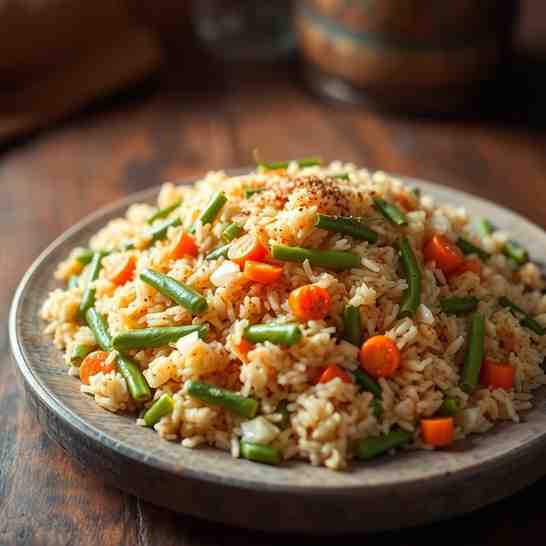
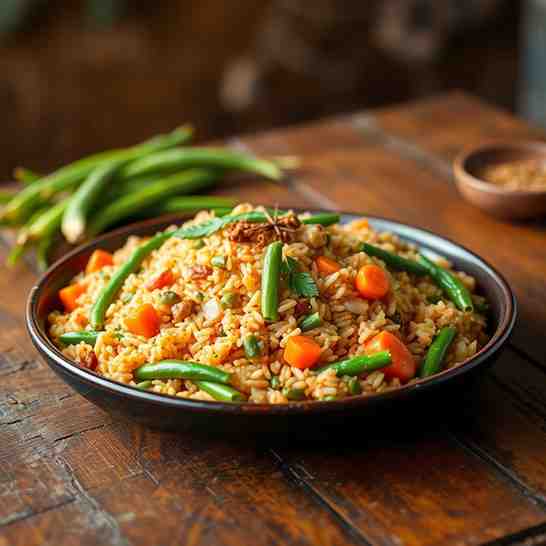
Craving a delicious meal recipe that’s both comforting and a little adventurous? Get ready to explore the vibrant flavors of Madagascar with this incredible rice and veggie recipe for Riz aux Pois! This isn't just any main dish recipe; it's a savory, aromatic, and deeply satisfying Malagasy-style rice dish packed with tender peas. Unlike its Caribbean cousins, which often feature coconut milk, pigeon peas, or a signature browning technique, Malagasy Riz aux Pois keeps things simple and focuses on the pure, aromatic goodness of white long grain rice and sweet green peas. It’s a fantastic way to enjoy food from all over the world right in your own kitchen, offering a truly unique taste of international cuisine recipes. Whether you're a seasoned chef or just starting your culinary journey, this international food recipe is designed to be straightforward and utterly delicious.
Here are some quick highlights for this amazing Malagasy Riz aux Pois recipe:
One-Pot Wonder: Everything cooks beautifully in a single pot, making cleanup a breeze.
Foolproof Rice: We'll share expert tips for perfectly cooked long grain rice white rice every time.
Flexible Peas: Works wonderfully with fresh, frozen, or canned peas, plus other easy swaps!
Riz aux Pois, pronounced "ree oh pwah," simply means "rice with peas" in French, reflecting Madagascar's historical ties. In Malagasy cuisine, this dish is a beloved staple, often served as a hearty and flavorful side dish or a comforting main course, especially when paired with grilled meats or stews. It’s a testament to the simplicity and richness that can be found in everyday ingredients.
In this specific Malagasy Riz aux Pois recipe, we're focusing on green peas (whether fresh, frozen, or canned). While other variations of "rice and peas" around the world might use pigeon peas or split peas, these would significantly change the texture and cooking time. If you swap to pigeon peas, you'll likely need to soak them and adjust liquid; split peas will require a longer cook and more liquid, resulting in a creamier texture. For this authentic Malagasy experience, stick with green peas!
To truly master this meal to cook, understanding your ingredients is key:
Long-Grain Rice: We recommend white long grain rice like Basmati or Jasmine. Its slender grains cook up fluffy and separate, which is exactly what we want for Riz aux Pois. Shorter grains can become sticky or clumpy, and parboiled rice has a different texture that isn't ideal here.
Peas: The star of the show!
Frozen peas are convenient and maintain great flavor and texture when added at the right time.
Fresh peas offer a vibrant taste and slight crunch.
Canned peas are a quick option but are already cooked, so they need minimal heating.
Aromatics: A classic duo of onion and crush garlic cloves forms the flavorful base, building depth from the very beginning.
Flavor Builders:
Tomato paste (or a small amount of fresh tomato) adds a touch of umami and color. Toasting it properly is crucial for deepening its flavor.
Optional turmeric or a pinch of black pepper can enhance the color and add a subtle warmth.
Stock or bouillon (chicken or vegetable) provides a richer liquid base than plain water.
Bay leaves or a sprig of fresh thyme infuse the rice with a wonderful, earthy aroma.
Fat: A neutral oil (like vegetable or canola) is used for sautéing. An optional knob of butter at the end adds a touch of richness and shine.
Cooking good rice is an art, but with these tips, you'll achieve perfect, fluffy grains every time, making this one of the best recipes in your repertoire:
Choosing Rice: Stick to white long grain rice for this dish. Basmati and Jasmine are excellent choices. Avoid shorter grain rice, which can become too starchy and sticky. Parboiled rice cooks differently and yields a firmer grain, which isn't the traditional texture for Riz aux Pois.
Rinsing: Rinsing your rice under cold water until the water runs clear helps remove excess starch, preventing sticky, clumpy grains. This is especially helpful for Basmati and Jasmine. If your rice is already pre-rinsed or you prefer a slightly softer texture, you can skip this step.
The Ratio: A good starting point is usually 1 part rice to 1.5-2 parts liquid. For this recipe, we'll aim for a specific ratio that yields perfect results. Factors like the age of your rice (older rice can absorb more liquid) and how tightly your lid fits might cause slight adjustments.
Lid + Heat: Once your liquid is added, a tight-fitting lid is non-negotiable. This traps steam, which is essential for even cooking. Immediately dropping the heat to the lowest simmer ensures the rice cooks gently without scorching the bottom.
The Rest: Once the cooking time is up, resist the urge to peek! Turn off the heat and let the rice rest, still covered, for at least 10 minutes. This allows the steam to redistribute, finishing the cooking process and making the grains incredibly fluffy.
Fluffing: Use a fork, not a spoon, to gently fluff the rice after resting. This separates the grains without mashing them.
Medium heavy-bottom pot with a tight-fitting lid
Fine-mesh strainer (for rinsing rice, optional but recommended)
Measuring cups and spoons (or a kitchen scale for precision)
Ingredients
Directions
- Prep: If rinsing your rice, do so now under cold running water until the water runs clear, then drain well. Finely chop the onion and mince the crush garlic cloves. Measure out your peas and have them ready.
- Sauté Aromatics: Heat the neutral oil in your medium heavy-bottom pot over medium heat. Add the chopped onion and cook, stirring occasionally, until it's translucent and softened, about 5-7 minutes. Add the minced garlic and cook for another 30-60 seconds until fragrant, being careful not to burn it.
- Toast Tomato Paste + Seasonings: Stir in the tomato paste (or diced tomato), salt, optional black pepper, and optional turmeric. Cook, stirring constantly, for 60-90 seconds. This step deepens the flavor of the tomato paste significantly.
- Toast Rice: Add the rinsed and drained white long grain rice to the pot. Stir it into the aromatics and tomato mixture for 1-2 minutes. This lightly toasts the grains, helping them cook up even more fluffy and separate.
- Add Liquid + Simmer: Pour in the hot stock or water, adding the bay leaf and thyme sprig if using. Stir everything gently to combine and ensure no rice is sticking to the bottom. Bring the mixture to a rolling boil over medium-high heat, then immediately reduce the heat to the absolute lowest setting. Cover the pot with a tight-fitting lid.
- Add Peas at the Right Time:
- Frozen peas: Add these directly into the pot during the last 5 minutes of the rice's cooking time. Gently lift the lid, sprinkle them over the rice, and quickly replace the lid.
- Fresh peas: If using fresh peas, add them along with the liquid in step 5, as they need a bit more time to cook through.
- Canned peas: These are already cooked, so add them at the very end, just before fluffing the rice, simply to warm them through.
- Steam/Rest: Let the rice simmer undisturbed for 15 minutes (or 10 minutes if adding frozen peas in the middle). After this time, turn off the heat completely but keep the pot covered for an additional 10 minutes. This crucial resting period allows the steam to evenly distribute and finish cooking the rice, resulting in perfectly fluffy grains.
- Fluff + Finish: Remove the lid. Discard the bay leaf and thyme sprig. Use a fork to gently fluff the rice, separating the grains. Taste and adjust salt and pepper if needed. If desired, stir in the optional tablespoon of butter for extra richness and a beautiful sheen. Garnish with fresh parsley or cilantro if using.
- Doneness Cues (Mini Checklist)
- Rice: The grains should be fluffy and separate, not sticky or clumpy. There should be no wet puddles at the bottom of the pot, and the rice should not have a hard, uncooked center.
- Peas: Should be tender but still retain their vibrant green color and a slight pop.
Malagasy Riz aux Pois - Rice & Veggie Recipe

- Serves: 4 People
- Prepare Time: 15 minutes
- Cooking Time: 30 minutes
- Calories: -
- Difficulty: Easy
Craving a delicious meal recipe that’s both comforting and a little adventurous? Get ready to explore the vibrant flavors of Madagascar with this incredible rice and veggie recipe for Riz aux Pois! This isn't just any main dish recipe; it's a savory, aromatic, and deeply satisfying Malagasy-style rice dish packed with tender peas. Unlike its Caribbean cousins, which often feature coconut milk, pigeon peas, or a signature browning technique, Malagasy Riz aux Pois keeps things simple and focuses on the pure, aromatic goodness of white long grain rice and sweet green peas. It’s a fantastic way to enjoy food from all over the world right in your own kitchen, offering a truly unique taste of international cuisine recipes. Whether you're a seasoned chef or just starting your culinary journey, this international food recipe is designed to be straightforward and utterly delicious.
Here are some quick highlights for this amazing Malagasy Riz aux Pois recipe:
One-Pot Wonder: Everything cooks beautifully in a single pot, making cleanup a breeze.
Foolproof Rice: We'll share expert tips for perfectly cooked long grain rice white rice every time.
Flexible Peas: Works wonderfully with fresh, frozen, or canned peas, plus other easy swaps!
Riz aux Pois, pronounced "ree oh pwah," simply means "rice with peas" in French, reflecting Madagascar's historical ties. In Malagasy cuisine, this dish is a beloved staple, often served as a hearty and flavorful side dish or a comforting main course, especially when paired with grilled meats or stews. It’s a testament to the simplicity and richness that can be found in everyday ingredients.
In this specific Malagasy Riz aux Pois recipe, we're focusing on green peas (whether fresh, frozen, or canned). While other variations of "rice and peas" around the world might use pigeon peas or split peas, these would significantly change the texture and cooking time. If you swap to pigeon peas, you'll likely need to soak them and adjust liquid; split peas will require a longer cook and more liquid, resulting in a creamier texture. For this authentic Malagasy experience, stick with green peas!
To truly master this meal to cook, understanding your ingredients is key:
Long-Grain Rice: We recommend white long grain rice like Basmati or Jasmine. Its slender grains cook up fluffy and separate, which is exactly what we want for Riz aux Pois. Shorter grains can become sticky or clumpy, and parboiled rice has a different texture that isn't ideal here.
Peas: The star of the show!
Frozen peas are convenient and maintain great flavor and texture when added at the right time.
Fresh peas offer a vibrant taste and slight crunch.
Canned peas are a quick option but are already cooked, so they need minimal heating.
Aromatics: A classic duo of onion and crush garlic cloves forms the flavorful base, building depth from the very beginning.
Flavor Builders:
Tomato paste (or a small amount of fresh tomato) adds a touch of umami and color. Toasting it properly is crucial for deepening its flavor.
Optional turmeric or a pinch of black pepper can enhance the color and add a subtle warmth.
Stock or bouillon (chicken or vegetable) provides a richer liquid base than plain water.
Bay leaves or a sprig of fresh thyme infuse the rice with a wonderful, earthy aroma.
Fat: A neutral oil (like vegetable or canola) is used for sautéing. An optional knob of butter at the end adds a touch of richness and shine.
Cooking good rice is an art, but with these tips, you'll achieve perfect, fluffy grains every time, making this one of the best recipes in your repertoire:
Choosing Rice: Stick to white long grain rice for this dish. Basmati and Jasmine are excellent choices. Avoid shorter grain rice, which can become too starchy and sticky. Parboiled rice cooks differently and yields a firmer grain, which isn't the traditional texture for Riz aux Pois.
Rinsing: Rinsing your rice under cold water until the water runs clear helps remove excess starch, preventing sticky, clumpy grains. This is especially helpful for Basmati and Jasmine. If your rice is already pre-rinsed or you prefer a slightly softer texture, you can skip this step.
The Ratio: A good starting point is usually 1 part rice to 1.5-2 parts liquid. For this recipe, we'll aim for a specific ratio that yields perfect results. Factors like the age of your rice (older rice can absorb more liquid) and how tightly your lid fits might cause slight adjustments.
Lid + Heat: Once your liquid is added, a tight-fitting lid is non-negotiable. This traps steam, which is essential for even cooking. Immediately dropping the heat to the lowest simmer ensures the rice cooks gently without scorching the bottom.
The Rest: Once the cooking time is up, resist the urge to peek! Turn off the heat and let the rice rest, still covered, for at least 10 minutes. This allows the steam to redistribute, finishing the cooking process and making the grains incredibly fluffy.
Fluffing: Use a fork, not a spoon, to gently fluff the rice after resting. This separates the grains without mashing them.
Medium heavy-bottom pot with a tight-fitting lid
Fine-mesh strainer (for rinsing rice, optional but recommended)
Measuring cups and spoons (or a kitchen scale for precision)
Ingredients
Directions
- Prep: If rinsing your rice, do so now under cold running water until the water runs clear, then drain well. Finely chop the onion and mince the crush garlic cloves. Measure out your peas and have them ready.
- Sauté Aromatics: Heat the neutral oil in your medium heavy-bottom pot over medium heat. Add the chopped onion and cook, stirring occasionally, until it's translucent and softened, about 5-7 minutes. Add the minced garlic and cook for another 30-60 seconds until fragrant, being careful not to burn it.
- Toast Tomato Paste + Seasonings: Stir in the tomato paste (or diced tomato), salt, optional black pepper, and optional turmeric. Cook, stirring constantly, for 60-90 seconds. This step deepens the flavor of the tomato paste significantly.
- Toast Rice: Add the rinsed and drained white long grain rice to the pot. Stir it into the aromatics and tomato mixture for 1-2 minutes. This lightly toasts the grains, helping them cook up even more fluffy and separate.
- Add Liquid + Simmer: Pour in the hot stock or water, adding the bay leaf and thyme sprig if using. Stir everything gently to combine and ensure no rice is sticking to the bottom. Bring the mixture to a rolling boil over medium-high heat, then immediately reduce the heat to the absolute lowest setting. Cover the pot with a tight-fitting lid.
- Add Peas at the Right Time:
- Frozen peas: Add these directly into the pot during the last 5 minutes of the rice's cooking time. Gently lift the lid, sprinkle them over the rice, and quickly replace the lid.
- Fresh peas: If using fresh peas, add them along with the liquid in step 5, as they need a bit more time to cook through.
- Canned peas: These are already cooked, so add them at the very end, just before fluffing the rice, simply to warm them through.
- Steam/Rest: Let the rice simmer undisturbed for 15 minutes (or 10 minutes if adding frozen peas in the middle). After this time, turn off the heat completely but keep the pot covered for an additional 10 minutes. This crucial resting period allows the steam to evenly distribute and finish cooking the rice, resulting in perfectly fluffy grains.
- Fluff + Finish: Remove the lid. Discard the bay leaf and thyme sprig. Use a fork to gently fluff the rice, separating the grains. Taste and adjust salt and pepper if needed. If desired, stir in the optional tablespoon of butter for extra richness and a beautiful sheen. Garnish with fresh parsley or cilantro if using.
- Doneness Cues (Mini Checklist)
- Rice: The grains should be fluffy and separate, not sticky or clumpy. There should be no wet puddles at the bottom of the pot, and the rice should not have a hard, uncooked center.
- Peas: Should be tender but still retain their vibrant green color and a slight pop.
You may also like



Hey there! I’m just someone who seriously loves good food and believes that cooking doesn’t have to be complicated to be amazing. Whether it’s a quick weeknight dinner or a cozy weekend meal, I’m all about sharing easy, tasty recipes that actually work.