
Matété de Crabe - French Guiana Seafood Stew Recipe
Matété de Crabe - French Guiana Seafood Stew Recipe

- Serves: 6 People
- Prepare Time: 45 minutes
- Cooking Time: 60 minutes
- Calories: -
- Difficulty: Medium
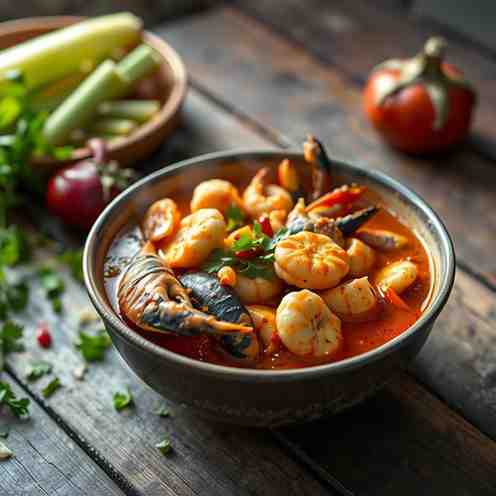
Craving a taste of the Caribbean that's both exotic and deeply comforting? Look no further than Matété de Crabe, a celebrated seafood stew recipe hailing from French Guiana. This isn't just any crab dish; it's a rich, aromatic, and incredibly satisfying stew often reserved for special occasions like Easter Monday. Imagine tender crab meat swimming in a vibrant, herb-infused tomato sauce, punctuated by soft, chewy dombrés (flour dumplings). The flavors are bold, thanks to a careful seasoning for crab that balances savory notes with a hint of warmth from a scotch bonnet hot pepper. If you’re looking to discover authentic French Guiana Matété de Crabe recipe, you've found your guide. While you might also hear it called Matoutou in other parts of the French Caribbean, rest assured, you're about to embark on a culinary journey to prepare this traditional crab stew that’s truly unforgettable.
Spice Level: Medium (adjustable with scotch bonnet)
Equipment: Large pot or Dutch oven, crab crackers/mallet, large bowl for lime soak
Matété de Crabe relies on fresh, quality ingredients to build its complex flavors. Here’s a breakdown of what to look for:
Crab: For good crab meat in the US, look for blue crabs, Dungeness, or stone crab claws. If you can find live crabs, that's ideal for freshness. Otherwise, frozen whole crabs or high-quality jumbo lump crab meat can work in a pinch, though the traditional experience involves cracking the shells. Avoid pre-cooked, pasteurized crab meat that’s been sitting on a shelf for ages, as it can lack flavor.
Smoky Pork: This adds a crucial layer of depth. Bacon is readily available and works wonderfully. If you want a more traditional flavor, salt pork is excellent, but remember to blanch it first to reduce salinity.
Aromatics: Onion and garlic are the backbone of most stews, and Matété is no exception. Fresh scallions add a bright, oniony finish. These aromatics build the initial savory base for your stew.
Tomatoes: Fresh tomatoes are always best for flavor and texture. Look for ripe, juicy varieties like Roma or vine-ripened. If fresh isn't an option, a good quality can of diced tomatoes (drained) can be a brief substitution, but adjust sweetness as needed.
Herbs: Cooking with fresh herbs is key! Thyme, parsley, and chives (or more spring onions) bring vibrant, earthy notes. If you can find bay leaves (especially "Creole laurel"), they add an authentic, slightly peppery aroma.
Warm Spice Notes: A hint of ground cloves might seem unusual, but it's a subtle traditional touch that adds warmth and complexity, often found in older Caribbean recipes. It's not overpowering, but rather a background note.
Scotch Bonnet: This iconic Caribbean pepper provides both heat and a distinctive fruity, floral aroma. Learning how to use scotch bonnet hot pepper safely is crucial for that authentic Caribbean flavor without overwhelming spice.
Dombrés: These small, chewy flour dumplings are a signature element of Matété. They absorb the rich stew liquid beautifully and add a wonderful textural contrast.
Ingredients
Directions
- Prep the Crabs: If using whole crabs, scrub them thoroughly under cold running water. Using a sturdy knife or cleaver, carefully split each crab in half lengthwise. Remove the gills ("dead man's fingers"), mouthparts, and any intestinal matter. If there's any yellow-orange crab fat (tomalley), you can scrape it out and save it for extra flavor in the stew. Crack the claws slightly with a mallet or back of a knife to allow flavor to penetrate.
- Lime + Garlic Soak: In a large bowl, combine the prepped crab pieces with 2 tablespoons of real lime juice and 3 minced garlic cloves. Toss well to coat. Let the crabs marinate for at least 15-20 minutes while you prepare other ingredients. This helps to clean the crab and infuse it with initial flavor.
- Build the Flavor Base: In your large pot or Dutch oven, cook the diced bacon or salt pork over medium heat until crispy and its fat is rendered. Remove the crispy pork bits and set aside (these are great for garnish!). If using salt pork or if your bacon didn't render enough fat, add 2 tablespoons of vegetable oil. Add the diced yellow onion and the second batch of minced garlic to the pot. Sauté until softened and fragrant, about 5-7 minutes. Stir in the 1/2 cup chopped scallions.
- Cook the Crabs + Tomatoes: Add the marinated crab pieces (draining off any excess liquid from the soak) to the pot. Stir gently to coat with the aromatics. Add the diced fresh tomatoes (and any saved crab fat). Cook for about 5-8 minutes, stirring occasionally, until the tomatoes start to break down and the crabs begin to turn orange. You should smell a wonderful, savory aroma developing.
- Add Liquid + Herbs: Pour in the water or broth, ensuring the crab is mostly submerged. Add the ground cloves (if using), fresh thyme, parsley, and bay leaves. Bring the stew to a gentle simmer, then reduce heat to low, cover, and cook for 15 minutes to allow the flavors to meld.
- Make and Add Dombrés: While the stew simmers, prepare the dombrés. In a medium bowl, combine the flour and salt. Gradually add the water, mixing with your hands until a firm, non-sticky dough forms. If it's too dry, add a tiny bit more water; if too sticky, a little more flour. Pinch off small pieces of dough (about 1/2 inch) and roll them between your palms into small spheres or oblong shapes.
- After the initial 15 minutes of simmering, gently drop the dombrés into the simmering stew one by one. Don't overcrowd the pot. Increase the heat slightly to maintain a gentle simmer.
- Scotch Bonnet Technique: Carefully add the whole scotch bonnet hot pepper to the stew. Crucially, do NOT pierce or cut the pepper unless you want extreme heat. It will infuse its fruity aroma and a mild warmth into the stew without making it overly spicy. Let the stew continue to simmer for another 20-25 minutes, or until the dombrés are cooked through (they will float and be tender) and the crab meat is fully cooked.
- Finish and Balance: Carefully remove the scotch bonnet pepper (you can discard it or serve it whole on the side for those who dare!). Stir in the remaining chopped chives/spring onion greens. Taste the stew and adjust salt and pepper as needed. Add a final squeeze of real lime juice to brighten the flavors just before serving.
Matété de Crabe - French Guiana Seafood Stew Recipe

- Serves: 6 People
- Prepare Time: 45 minutes
- Cooking Time: 60 minutes
- Calories: -
- Difficulty: Medium
Craving a taste of the Caribbean that's both exotic and deeply comforting? Look no further than Matété de Crabe, a celebrated seafood stew recipe hailing from French Guiana. This isn't just any crab dish; it's a rich, aromatic, and incredibly satisfying stew often reserved for special occasions like Easter Monday. Imagine tender crab meat swimming in a vibrant, herb-infused tomato sauce, punctuated by soft, chewy dombrés (flour dumplings). The flavors are bold, thanks to a careful seasoning for crab that balances savory notes with a hint of warmth from a scotch bonnet hot pepper. If you’re looking to discover authentic French Guiana Matété de Crabe recipe, you've found your guide. While you might also hear it called Matoutou in other parts of the French Caribbean, rest assured, you're about to embark on a culinary journey to prepare this traditional crab stew that’s truly unforgettable.
Spice Level: Medium (adjustable with scotch bonnet)
Equipment: Large pot or Dutch oven, crab crackers/mallet, large bowl for lime soak
Matété de Crabe relies on fresh, quality ingredients to build its complex flavors. Here’s a breakdown of what to look for:
Crab: For good crab meat in the US, look for blue crabs, Dungeness, or stone crab claws. If you can find live crabs, that's ideal for freshness. Otherwise, frozen whole crabs or high-quality jumbo lump crab meat can work in a pinch, though the traditional experience involves cracking the shells. Avoid pre-cooked, pasteurized crab meat that’s been sitting on a shelf for ages, as it can lack flavor.
Smoky Pork: This adds a crucial layer of depth. Bacon is readily available and works wonderfully. If you want a more traditional flavor, salt pork is excellent, but remember to blanch it first to reduce salinity.
Aromatics: Onion and garlic are the backbone of most stews, and Matété is no exception. Fresh scallions add a bright, oniony finish. These aromatics build the initial savory base for your stew.
Tomatoes: Fresh tomatoes are always best for flavor and texture. Look for ripe, juicy varieties like Roma or vine-ripened. If fresh isn't an option, a good quality can of diced tomatoes (drained) can be a brief substitution, but adjust sweetness as needed.
Herbs: Cooking with fresh herbs is key! Thyme, parsley, and chives (or more spring onions) bring vibrant, earthy notes. If you can find bay leaves (especially "Creole laurel"), they add an authentic, slightly peppery aroma.
Warm Spice Notes: A hint of ground cloves might seem unusual, but it's a subtle traditional touch that adds warmth and complexity, often found in older Caribbean recipes. It's not overpowering, but rather a background note.
Scotch Bonnet: This iconic Caribbean pepper provides both heat and a distinctive fruity, floral aroma. Learning how to use scotch bonnet hot pepper safely is crucial for that authentic Caribbean flavor without overwhelming spice.
Dombrés: These small, chewy flour dumplings are a signature element of Matété. They absorb the rich stew liquid beautifully and add a wonderful textural contrast.
Ingredients
Directions
- Prep the Crabs: If using whole crabs, scrub them thoroughly under cold running water. Using a sturdy knife or cleaver, carefully split each crab in half lengthwise. Remove the gills ("dead man's fingers"), mouthparts, and any intestinal matter. If there's any yellow-orange crab fat (tomalley), you can scrape it out and save it for extra flavor in the stew. Crack the claws slightly with a mallet or back of a knife to allow flavor to penetrate.
- Lime + Garlic Soak: In a large bowl, combine the prepped crab pieces with 2 tablespoons of real lime juice and 3 minced garlic cloves. Toss well to coat. Let the crabs marinate for at least 15-20 minutes while you prepare other ingredients. This helps to clean the crab and infuse it with initial flavor.
- Build the Flavor Base: In your large pot or Dutch oven, cook the diced bacon or salt pork over medium heat until crispy and its fat is rendered. Remove the crispy pork bits and set aside (these are great for garnish!). If using salt pork or if your bacon didn't render enough fat, add 2 tablespoons of vegetable oil. Add the diced yellow onion and the second batch of minced garlic to the pot. Sauté until softened and fragrant, about 5-7 minutes. Stir in the 1/2 cup chopped scallions.
- Cook the Crabs + Tomatoes: Add the marinated crab pieces (draining off any excess liquid from the soak) to the pot. Stir gently to coat with the aromatics. Add the diced fresh tomatoes (and any saved crab fat). Cook for about 5-8 minutes, stirring occasionally, until the tomatoes start to break down and the crabs begin to turn orange. You should smell a wonderful, savory aroma developing.
- Add Liquid + Herbs: Pour in the water or broth, ensuring the crab is mostly submerged. Add the ground cloves (if using), fresh thyme, parsley, and bay leaves. Bring the stew to a gentle simmer, then reduce heat to low, cover, and cook for 15 minutes to allow the flavors to meld.
- Make and Add Dombrés: While the stew simmers, prepare the dombrés. In a medium bowl, combine the flour and salt. Gradually add the water, mixing with your hands until a firm, non-sticky dough forms. If it's too dry, add a tiny bit more water; if too sticky, a little more flour. Pinch off small pieces of dough (about 1/2 inch) and roll them between your palms into small spheres or oblong shapes.
- After the initial 15 minutes of simmering, gently drop the dombrés into the simmering stew one by one. Don't overcrowd the pot. Increase the heat slightly to maintain a gentle simmer.
- Scotch Bonnet Technique: Carefully add the whole scotch bonnet hot pepper to the stew. Crucially, do NOT pierce or cut the pepper unless you want extreme heat. It will infuse its fruity aroma and a mild warmth into the stew without making it overly spicy. Let the stew continue to simmer for another 20-25 minutes, or until the dombrés are cooked through (they will float and be tender) and the crab meat is fully cooked.
- Finish and Balance: Carefully remove the scotch bonnet pepper (you can discard it or serve it whole on the side for those who dare!). Stir in the remaining chopped chives/spring onion greens. Taste the stew and adjust salt and pepper as needed. Add a final squeeze of real lime juice to brighten the flavors just before serving.
You may also like



Hey there! I’m just someone who seriously loves good food and believes that cooking doesn’t have to be complicated to be amazing. Whether it’s a quick weeknight dinner or a cozy weekend meal, I’m all about sharing easy, tasty recipes that actually work.