
Matoutou de Crabe - Haitian Seafood Stew Recipe
Matoutou de Crabe - Haitian Seafood Stew Recipe
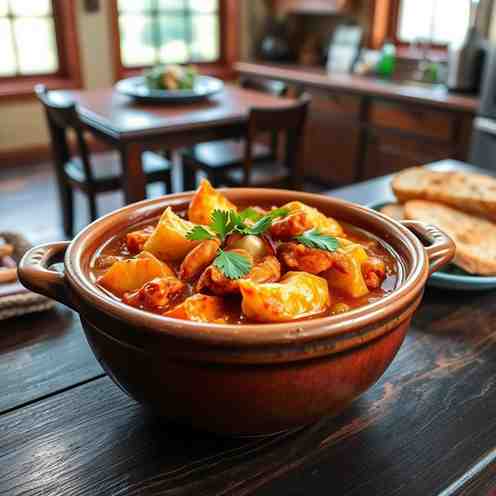
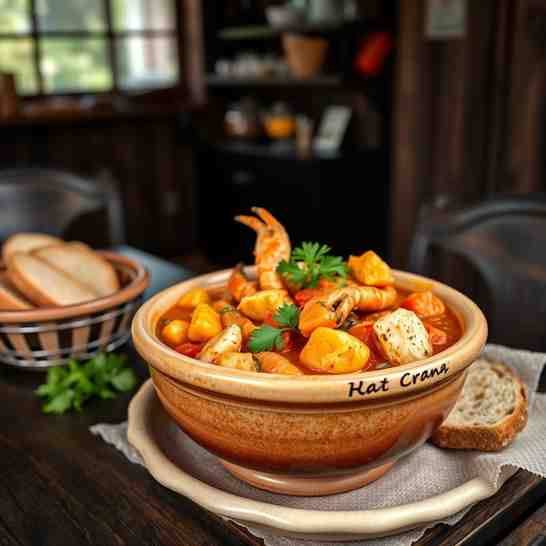
- Serves: 6 People
- Prepare Time: 45 minutes
- Cooking Time: 1 hour 15 m
- Calories: -
- Difficulty: Medium
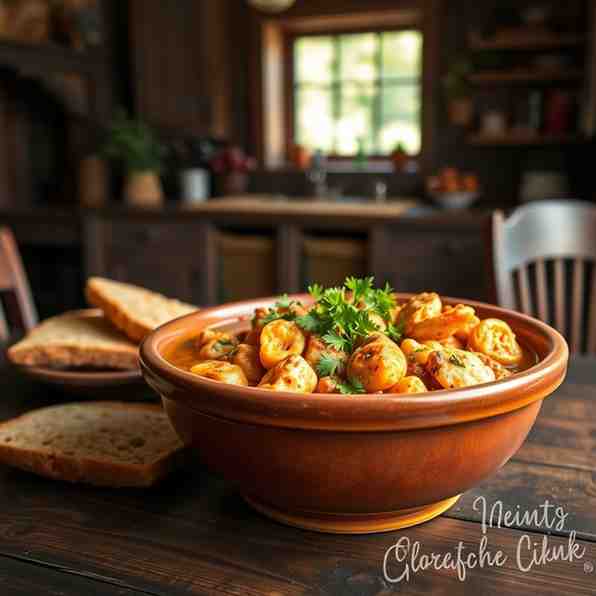
Craving a rich, flavorful, and truly satisfying seafood stew recipe? Look no further than Matoutou de Crabe! This classic Haitian dish isn't just a meal; it's an event, a celebration of vibrant flavors and communal dining. At its heart, Matoutou de Crabe is a savory, tomato-forward, and beautifully herby crab stew, often featuring the delightful kick of a scotch bonnet hot pepper (left whole for controlled heat!). What makes this Haitian crab stew stand out is its unique preparation: the rice is cooked directly in the savory, crab-infused sauce, absorbing every bit of that incredible flavor. It’s a special-occasion dish that’s surprisingly approachable, perfect for impressing guests or simply treating yourself to an authentic taste of Haiti. Get ready to dive into the ultimate comfort food experience!
Ingredients
Directions
- Prep the Crabs (Don't Panic!)
- If using live blue crabs, place them in the freezer for 15-20 minutes to humanely stun them.
- Clean the Crabs: Under cold running water, scrub the crabs thoroughly. Remove the apron (the triangular flap on the underside) and then pry off the top shell. Scoop out any gills (the feathery bits) and viscera. Rinse the body cavity well.
- Lime/Salt Scrub: In a large bowl, combine the cleaned crab pieces with 1/4 cup lime juice and 1-2 teaspoons coarse salt. Rub the crabs vigorously, then rinse thoroughly under cold water. This step is crucial for removing any lingering "fishy" smells and adding brightness.
- Crack for Flavor: Using a crab mallet or kitchen shears, crack the claws and larger body pieces. This allows the delicious stew flavors to penetrate the crab meat as it cooks. Set aside.
- Food Safety Note: Always handle raw seafood with clean hands and sanitize all surfaces and tools after use. Wearing gloves is recommended.
- Build the Flavor Base
- Heat 2 tablespoons of oil in a large heavy pot or Dutch oven over medium heat.
- Add the diced onion and the white parts of the chopped scallions. Sauté until softened and translucent, about 5-7 minutes.
- Stir in the minced garlic and diced bell pepper. Cook for another 3-4 minutes until fragrant.
- Add the tomato paste and cook, stirring constantly, for 2-3 minutes. This step helps deepen its flavor and color, preventing a raw tomato taste.
- Stir in the Epis, fresh thyme sprigs, and the optional whole Scotch bonnet pepper (if using). Cook for 1 minute until aromatic.
- Season and Simmer the Crabs
- Add the cleaned and cracked crab pieces to the pot. Stir to coat them thoroughly with the aromatic base.
- Pour in 4-6 cups of seafood stock or water. The liquid should mostly cover the crabs. (Aim for a "liquid level" that anticipates the rice absorption, as you'll see later).
- Bring the stew to a gentle simmer. Season with 1/2 teaspoon salt and 1/4 teaspoon black pepper.
- Cover the pot and let it simmer for 15-20 minutes, or until the crab shells turn bright red/orange and the broth tastes distinctly "crabby" and flavorful. Taste and adjust salt if needed.
- Cook the Rice in the Crab Stew (The Matoutou Moment!)
- Stir in the 2 cups of washed long-grain rice, 1/2 teaspoon salt, and 1/4 teaspoon black pepper into the simmering stew. Ensure the rice is submerged in the liquid. If the liquid level seems too low, add a little more stock/water to just cover the rice.
- Bring the stew back to a gentle simmer. Once simmering, reduce the heat to low, cover the pot tightly, and cook for 18-20 minutes, or until the rice is tender and has absorbed most of the liquid. Avoid lifting the lid too often during this time!
- Once cooked, turn off the heat and let the Matoutou de Crabe rest, covered, for another 10-15 minutes. This allows the rice to steam evenly and become perfectly fluffy, ensuring a "finished texture" that's not soupy but wonderfully integrated.
- Final Balance
- Gently fluff the rice and crab with a fork.
- Taste for salt and adjust as needed. This is also the time to decide your heat level – if you used a whole Scotch bonnet, you can remove it now for milder heat, or carefully prick it with a fork for more spice.
- Squeeze in some fresh lime juice to brighten the flavors.
- If desired, stir in the knob of butter for extra richness and gloss.
- Garnish with fresh chopped parsley or cilantro.
Matoutou de Crabe - Haitian Seafood Stew Recipe
- Serves: 6 People
- Prepare Time: 45 minutes
- Cooking Time: 1 hour 15 m
- Calories: -
- Difficulty: Medium
Craving a rich, flavorful, and truly satisfying seafood stew recipe? Look no further than Matoutou de Crabe! This classic Haitian dish isn't just a meal; it's an event, a celebration of vibrant flavors and communal dining. At its heart, Matoutou de Crabe is a savory, tomato-forward, and beautifully herby crab stew, often featuring the delightful kick of a scotch bonnet hot pepper (left whole for controlled heat!). What makes this Haitian crab stew stand out is its unique preparation: the rice is cooked directly in the savory, crab-infused sauce, absorbing every bit of that incredible flavor. It’s a special-occasion dish that’s surprisingly approachable, perfect for impressing guests or simply treating yourself to an authentic taste of Haiti. Get ready to dive into the ultimate comfort food experience!
Ingredients
Directions
- Prep the Crabs (Don't Panic!)
- If using live blue crabs, place them in the freezer for 15-20 minutes to humanely stun them.
- Clean the Crabs: Under cold running water, scrub the crabs thoroughly. Remove the apron (the triangular flap on the underside) and then pry off the top shell. Scoop out any gills (the feathery bits) and viscera. Rinse the body cavity well.
- Lime/Salt Scrub: In a large bowl, combine the cleaned crab pieces with 1/4 cup lime juice and 1-2 teaspoons coarse salt. Rub the crabs vigorously, then rinse thoroughly under cold water. This step is crucial for removing any lingering "fishy" smells and adding brightness.
- Crack for Flavor: Using a crab mallet or kitchen shears, crack the claws and larger body pieces. This allows the delicious stew flavors to penetrate the crab meat as it cooks. Set aside.
- Food Safety Note: Always handle raw seafood with clean hands and sanitize all surfaces and tools after use. Wearing gloves is recommended.
- Build the Flavor Base
- Heat 2 tablespoons of oil in a large heavy pot or Dutch oven over medium heat.
- Add the diced onion and the white parts of the chopped scallions. Sauté until softened and translucent, about 5-7 minutes.
- Stir in the minced garlic and diced bell pepper. Cook for another 3-4 minutes until fragrant.
- Add the tomato paste and cook, stirring constantly, for 2-3 minutes. This step helps deepen its flavor and color, preventing a raw tomato taste.
- Stir in the Epis, fresh thyme sprigs, and the optional whole Scotch bonnet pepper (if using). Cook for 1 minute until aromatic.
- Season and Simmer the Crabs
- Add the cleaned and cracked crab pieces to the pot. Stir to coat them thoroughly with the aromatic base.
- Pour in 4-6 cups of seafood stock or water. The liquid should mostly cover the crabs. (Aim for a "liquid level" that anticipates the rice absorption, as you'll see later).
- Bring the stew to a gentle simmer. Season with 1/2 teaspoon salt and 1/4 teaspoon black pepper.
- Cover the pot and let it simmer for 15-20 minutes, or until the crab shells turn bright red/orange and the broth tastes distinctly "crabby" and flavorful. Taste and adjust salt if needed.
- Cook the Rice in the Crab Stew (The Matoutou Moment!)
- Stir in the 2 cups of washed long-grain rice, 1/2 teaspoon salt, and 1/4 teaspoon black pepper into the simmering stew. Ensure the rice is submerged in the liquid. If the liquid level seems too low, add a little more stock/water to just cover the rice.
- Bring the stew back to a gentle simmer. Once simmering, reduce the heat to low, cover the pot tightly, and cook for 18-20 minutes, or until the rice is tender and has absorbed most of the liquid. Avoid lifting the lid too often during this time!
- Once cooked, turn off the heat and let the Matoutou de Crabe rest, covered, for another 10-15 minutes. This allows the rice to steam evenly and become perfectly fluffy, ensuring a "finished texture" that's not soupy but wonderfully integrated.
- Final Balance
- Gently fluff the rice and crab with a fork.
- Taste for salt and adjust as needed. This is also the time to decide your heat level – if you used a whole Scotch bonnet, you can remove it now for milder heat, or carefully prick it with a fork for more spice.
- Squeeze in some fresh lime juice to brighten the flavors.
- If desired, stir in the knob of butter for extra richness and gloss.
- Garnish with fresh chopped parsley or cilantro.
You may also like



Hey there! I’m just someone who seriously loves good food and believes that cooking doesn’t have to be complicated to be amazing. Whether it’s a quick weeknight dinner or a cozy weekend meal, I’m all about sharing easy, tasty recipes that actually work.



