
Creamy Moroccan Bissara - Easy Dried Fava Bean Soup
Creamy Moroccan Bissara - Easy Dried Fava Bean Soup
- Serves: 4 People
- Prepare Time: 15 minutes
- Cooking Time: 45-60 minut
- Calories: -
- Difficulty: Easy
Welcome to the world of Bissara, a truly iconic Moroccan soup that’s as comforting as it is delicious! If you’re looking to discover how to prepare Classic Moroccan Fava Bean Soup, you've come to the right place. This isn’t just any soup; it's a thick, pureed dried fava bean soup that perfectly balances the lines between a hearty soup and a flavorful dip. Imagine earthy fava beans fresh from the pot, pureed into a silky-smooth texture, infused with plenty of garlic, and finished with warm spices like cumin and paprika, all brought together with a generous drizzle of rich Moroccan olive oil.
Bissara is a staple in Moroccan homes, often enjoyed for breakfast or a light dinner, served piping hot with crusty bread for dipping. It's incredibly satisfying and surprisingly simple to make, even if you’re a beginner. In this guide, we'll walk you through everything you need to know: from identifying key ingredients like the right dried fava beans and the best Moroccan extra virgin olive oil, to mastering the technique for silky smooth pureed bean soups, and even where to source fava beans in a can or dried varieties if you're in the US. Get ready to whip up a bowl of this creamy, garlicky goodness that promises no guesswork on thickness or bean tenderness!
Ingredients
Directions
- Rinse and Sort the Beans: Place the dried fava beans in a fine-mesh sieve and rinse them thoroughly under cold running water. Pick through them quickly to remove any tiny stones or debris (they happen!).
- Start the Simmer: Transfer the rinsed beans to a medium to large pot with a lid. Add 4 cups of water, the smashed garlic cloves, and 1 tablespoon of the Moroccan olive oil. Bring the mixture to a boil over medium-high heat.
- Skim the Foam: Once boiling, reduce the heat to low to maintain a gentle simmer. For the first 10-15 minutes, use a fine-mesh skimmer or a spoon to remove any foam that rises to the surface. This helps ensure a cleaner flavor and smoother texture. Once the initial foam subsides, you can stop skimming.
- Simmer Until Tender: Cover the pot, leaving a small crack for steam to escape (this helps prevent boil-overs). Continue to simmer gently for 45-60 minutes, or until the fava beans are incredibly tender and easily smush between your fingers. If the soup gets too thick during this stage, add a little more water.
- Blend Until Smooth: Carefully remove the pot from the heat.
- Using an Immersion Blender (Preferred): Place the immersion blender directly into the pot. Blend until the soup is completely smooth and creamy, about 2-3 minutes.
- Using a Countertop Blender: Carefully transfer the hot soup to a blender, working in batches if necessary. Fill the blender no more than halfway. Secure the lid, but remove the center cap (if it has one) and cover the opening with a kitchen towel to allow steam to escape. Blend until smooth. Return the pureed soup to the pot.
- Season and Adjust Thickness: Return the pot to low heat. Stir in the salt, the remaining 1 tablespoon of Moroccan virgin olive oil, 1 teaspoon cumin, and 1 teaspoon paprika, and black pepper. Taste and adjust seasonings as needed. If the soup is too thick, add hot water in small splashes until it reaches your desired consistency (it should be thick enough to hold its shape on a spoon, like a loose hummus). If it's too thin, simmer uncovered for a few minutes to reduce.
- Optional Flavor Boost (Spiced Olive Oil Drizzle): For an extra layer of flavor, you can quickly warm a tablespoon or two of Moroccan extra virgin olive oil in a small pan with a pinch of cumin and paprika until fragrant (about 30 seconds).
- Serve: Ladle the hot Bissara into bowls. Finish each serving with a generous drizzle of fresh Moroccan extra virgin olive oil from Morocco, a sprinkle of ground cumin, and a dash of paprika. Serve immediately with plenty of crusty bread for dipping. A squeeze of lemon is a wonderful optional addition!
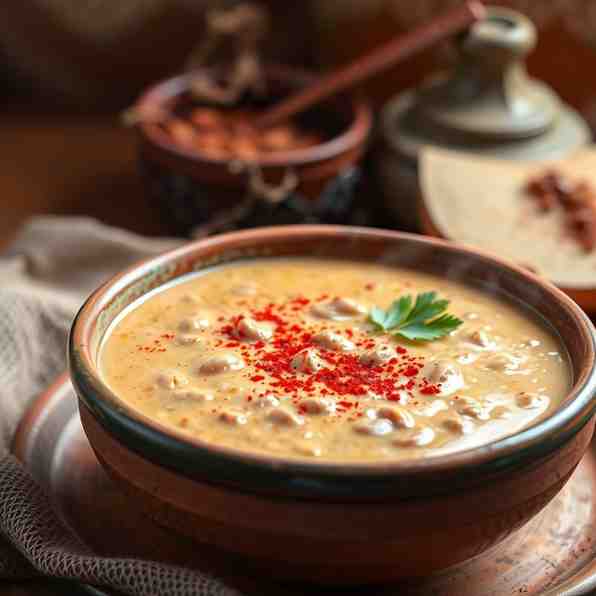
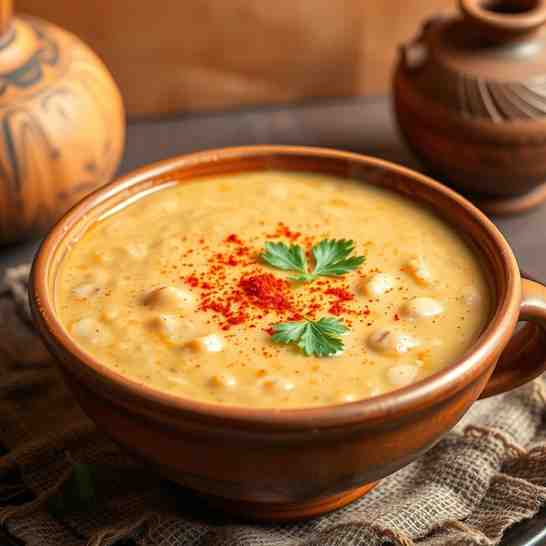
- What it should look like (thickness target)Your Bissara should be wonderfully creamy and thick, but still pourable. Think of it like a rich, velvety hummus that’s a bit looser. When you scoop it with a spoon, it should hold its shape for a moment before slowly settling. If it's too runny, it won't cling to your bread; if it's too stiff, it'll be difficult to eat as a soup. Keep in mind that Bissara will naturally thicken quite a bit as it cools, so aim for a slightly looser consistency if you plan to eat it later.
Creamy Moroccan Bissara - Easy Dried Fava Bean Soup
- Serves: 4 People
- Prepare Time: 15 minutes
- Cooking Time: 45-60 minut
- Calories: -
- Difficulty: Easy
Welcome to the world of Bissara, a truly iconic Moroccan soup that’s as comforting as it is delicious! If you’re looking to discover how to prepare Classic Moroccan Fava Bean Soup, you've come to the right place. This isn’t just any soup; it's a thick, pureed dried fava bean soup that perfectly balances the lines between a hearty soup and a flavorful dip. Imagine earthy fava beans fresh from the pot, pureed into a silky-smooth texture, infused with plenty of garlic, and finished with warm spices like cumin and paprika, all brought together with a generous drizzle of rich Moroccan olive oil.
Bissara is a staple in Moroccan homes, often enjoyed for breakfast or a light dinner, served piping hot with crusty bread for dipping. It's incredibly satisfying and surprisingly simple to make, even if you’re a beginner. In this guide, we'll walk you through everything you need to know: from identifying key ingredients like the right dried fava beans and the best Moroccan extra virgin olive oil, to mastering the technique for silky smooth pureed bean soups, and even where to source fava beans in a can or dried varieties if you're in the US. Get ready to whip up a bowl of this creamy, garlicky goodness that promises no guesswork on thickness or bean tenderness!
Ingredients
Directions
- Rinse and Sort the Beans: Place the dried fava beans in a fine-mesh sieve and rinse them thoroughly under cold running water. Pick through them quickly to remove any tiny stones or debris (they happen!).
- Start the Simmer: Transfer the rinsed beans to a medium to large pot with a lid. Add 4 cups of water, the smashed garlic cloves, and 1 tablespoon of the Moroccan olive oil. Bring the mixture to a boil over medium-high heat.
- Skim the Foam: Once boiling, reduce the heat to low to maintain a gentle simmer. For the first 10-15 minutes, use a fine-mesh skimmer or a spoon to remove any foam that rises to the surface. This helps ensure a cleaner flavor and smoother texture. Once the initial foam subsides, you can stop skimming.
- Simmer Until Tender: Cover the pot, leaving a small crack for steam to escape (this helps prevent boil-overs). Continue to simmer gently for 45-60 minutes, or until the fava beans are incredibly tender and easily smush between your fingers. If the soup gets too thick during this stage, add a little more water.
- Blend Until Smooth: Carefully remove the pot from the heat.
- Using an Immersion Blender (Preferred): Place the immersion blender directly into the pot. Blend until the soup is completely smooth and creamy, about 2-3 minutes.
- Using a Countertop Blender: Carefully transfer the hot soup to a blender, working in batches if necessary. Fill the blender no more than halfway. Secure the lid, but remove the center cap (if it has one) and cover the opening with a kitchen towel to allow steam to escape. Blend until smooth. Return the pureed soup to the pot.
- Season and Adjust Thickness: Return the pot to low heat. Stir in the salt, the remaining 1 tablespoon of Moroccan virgin olive oil, 1 teaspoon cumin, and 1 teaspoon paprika, and black pepper. Taste and adjust seasonings as needed. If the soup is too thick, add hot water in small splashes until it reaches your desired consistency (it should be thick enough to hold its shape on a spoon, like a loose hummus). If it's too thin, simmer uncovered for a few minutes to reduce.
- Optional Flavor Boost (Spiced Olive Oil Drizzle): For an extra layer of flavor, you can quickly warm a tablespoon or two of Moroccan extra virgin olive oil in a small pan with a pinch of cumin and paprika until fragrant (about 30 seconds).
- Serve: Ladle the hot Bissara into bowls. Finish each serving with a generous drizzle of fresh Moroccan extra virgin olive oil from Morocco, a sprinkle of ground cumin, and a dash of paprika. Serve immediately with plenty of crusty bread for dipping. A squeeze of lemon is a wonderful optional addition!
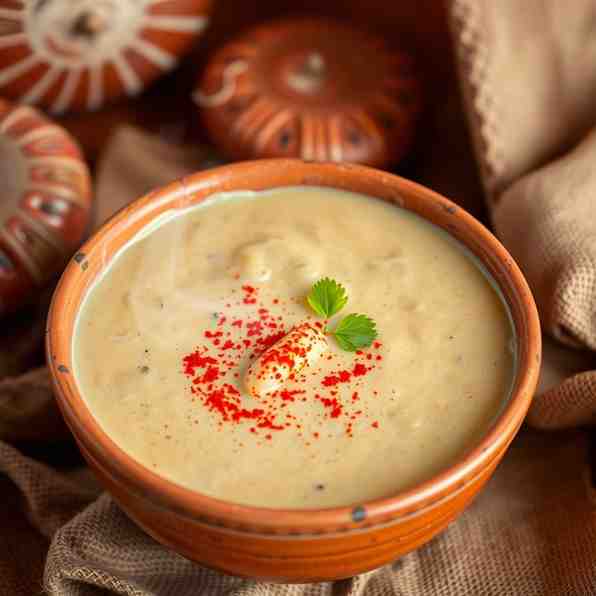
- What it should look like (thickness target)Your Bissara should be wonderfully creamy and thick, but still pourable. Think of it like a rich, velvety hummus that’s a bit looser. When you scoop it with a spoon, it should hold its shape for a moment before slowly settling. If it's too runny, it won't cling to your bread; if it's too stiff, it'll be difficult to eat as a soup. Keep in mind that Bissara will naturally thicken quite a bit as it cools, so aim for a slightly looser consistency if you plan to eat it later.
You may also like



Hey there! I’m just someone who seriously loves good food and believes that cooking doesn’t have to be complicated to be amazing. Whether it’s a quick weeknight dinner or a cozy weekend meal, I’m all about sharing easy, tasty recipes that actually work.