
Neeps & Tatties - Best Vegetarian Potato Dish
Neeps & Tatties - Best Vegetarian Potato Dish
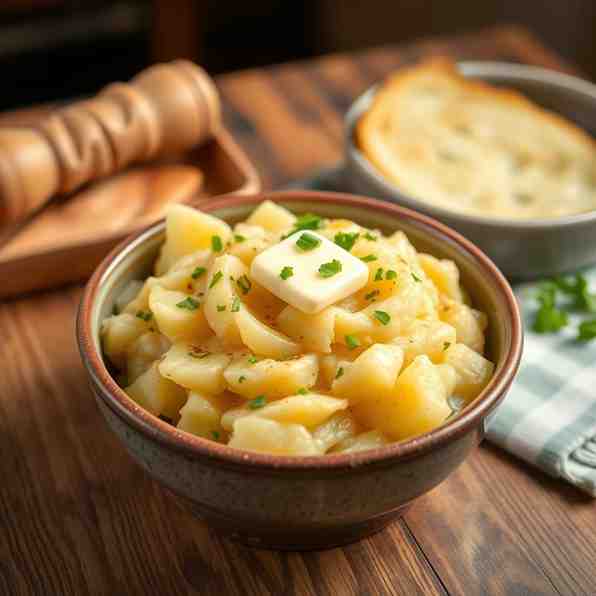
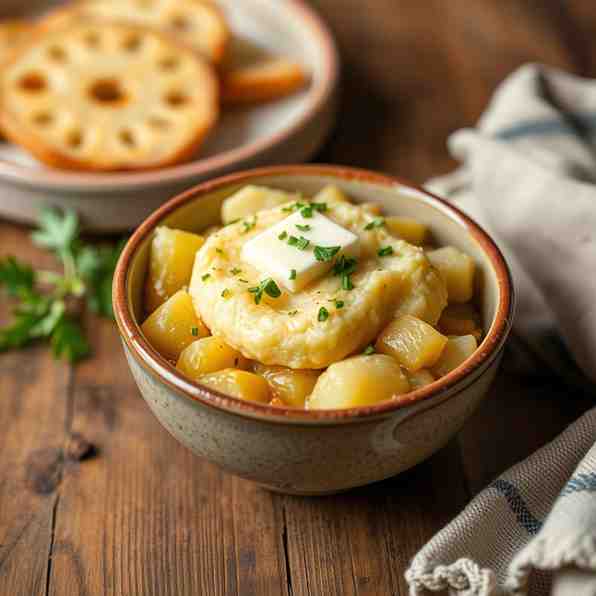
- Serves: 6 People
- Prepare Time: 15 minutes
- Cooking Time: 30 minutes
- Calories: -
- Difficulty: Easy
Welcome, food lovers! If you're looking for truly comforting and authentic vegetarian dishes with potatoes, you've landed in the perfect spot. Today, we're diving into the heart of Scottish cuisine with a recipe for Neeps and Tatties – a timeless classic that's surprisingly simple to master. This isn't just any side dish; it's a celebration of humble root vegetables transformed into something truly special.
So, what exactly are neeps and tatties? Simply put, it's a delicious mash of two key ingredients: "neeps" (Scottish for turnip or, more commonly for this dish, swede/rutabaga) and "tatties" (Scottish for potatoes). This hearty, warming side is traditionally served alongside haggis, neeps, and tatties on Burns Night – an annual celebration of Scotland's national poet, Robert Burns, every January 25th. But don't let tradition limit you; this incredible mashed potatoes dish is fantastic any time of year and pairs beautifully with a wide range of meals.
Forget bland or complicated recipes. Our ultimate version is designed to be both genuinely authentic in flavor and incredibly easy to follow, making it a perfect cooking for beginners recipe while still impressing seasoned chefs. We'll guide you step by step to achieve that creamy, flavorful texture you'd expect from a top-tier restaurant mashed potatoes side. Get ready to enjoy a taste of Scotland right in your own kitchen!
Ingredients
Directions
- Prep Your Veggies (10 minutes):
- First, get your swede and potatoes ready. Using a sturdy peeler, carefully remove the skin from both the swede and the potatoes.
- Once peeled, use a sharp knife to cut both vegetables into roughly 1-inch (2.5 cm) cubes. Try to make them as consistent in size as possible. This ensures they cook evenly.
- (Small photo of peeled and cubed swede and potatoes, ready for cooking. Alt text: "Peeled and uniformly cubed swede (rutabaga) and Yukon Gold potatoes, ready for boiling.")
- Salt Water & Boiling Sequence (25-30 minutes):
- Grab two large pots. Fill each with enough cold water to cover the vegetables by about an inch. Add 1 teaspoon of salt to each pot.
- Bring both pots to a rolling boil.
- Add the cubed swede to one pot. Swede takes longer to cook than potatoes. Let it boil for about 10-15 minutes before adding the potatoes to the other pot.
- Once the potatoes are in their pot, continue boiling both until they are fork-tender. This usually takes another 15-20 minutes for the potatoes, and the swede should be equally soft by then.
- (Small photo of two pots on the stove, one with swede boiling, the other with potatoes starting to boil. Alt text: "Two pots of salted water on the stovetop, one with cubed swede boiling, the other with cubed potatoes boiling.")
- Drain Properly (2 minutes):
- This step is crucial for avoiding watery mash! Once both the swede and potatoes are perfectly tender, carefully drain them using separate colanders.
- For an extra dry mash, return the drained swede and potatoes (still in their separate pots) to the hot stove over very low heat for 1-2 minutes. Gently shake the pots to allow any remaining steam to escape and moisture to evaporate.
- (Small photo of a colander with steaming, drained potatoes. Alt text: "Steaming, fork-tender potatoes in a colander after being thoroughly drained.")
- Mash Technique (3 minutes):
- Now for the fun part! Combine the drained swede and potatoes into one large pot or mixing bowl.
- Add the butter (or vegan alternative), and start mashing. For the best, non-gluey texture, use a potato ricer if you have one – it produces incredibly light and fluffy results. If not, a traditional potato masher works great.
- Mash until the vegetables are smooth, with just a few small lumps if you prefer a rustic texture. Avoid over-mashing, as this can activate the starches and lead to a gummy consistency.
- (Small photo of a potato ricer in action, or a masher in a pot of mashed neeps and tatties. Alt text: "A hand mashing cooked swede and potatoes with a traditional potato masher, creating a smooth texture.")
- Season and Serve (1 minute):
- Stir in the 1/2 teaspoon of black pepper and taste. Add more salt and pepper as needed until the flavor is just right.
- Serve your warm, delicious Neeps and Tatties immediately as a fantastic side dish. Enjoy your homemade vegetarian potato recipe!
- (Small photo of a serving bowl filled with creamy Neeps and Tatties, garnished lightly. Alt text: "A serving bowl filled with freshly mashed Neeps and Tatties, ready to be enjoyed.")
Neeps & Tatties - Best Vegetarian Potato Dish
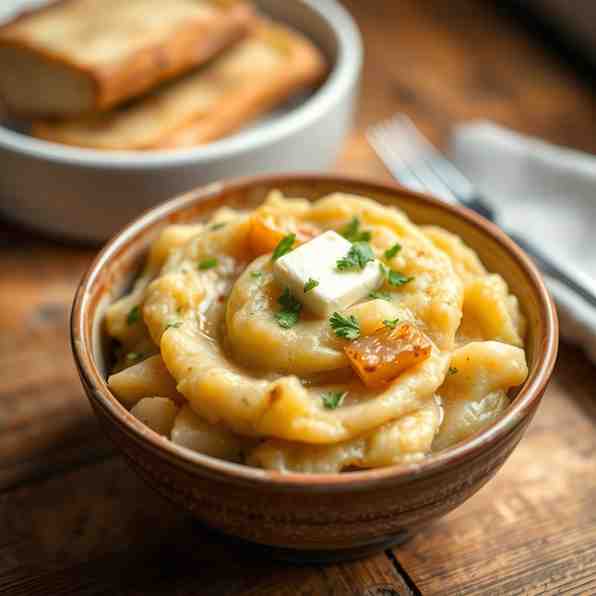
- Serves: 6 People
- Prepare Time: 15 minutes
- Cooking Time: 30 minutes
- Calories: -
- Difficulty: Easy
Welcome, food lovers! If you're looking for truly comforting and authentic vegetarian dishes with potatoes, you've landed in the perfect spot. Today, we're diving into the heart of Scottish cuisine with a recipe for Neeps and Tatties – a timeless classic that's surprisingly simple to master. This isn't just any side dish; it's a celebration of humble root vegetables transformed into something truly special.
So, what exactly are neeps and tatties? Simply put, it's a delicious mash of two key ingredients: "neeps" (Scottish for turnip or, more commonly for this dish, swede/rutabaga) and "tatties" (Scottish for potatoes). This hearty, warming side is traditionally served alongside haggis, neeps, and tatties on Burns Night – an annual celebration of Scotland's national poet, Robert Burns, every January 25th. But don't let tradition limit you; this incredible mashed potatoes dish is fantastic any time of year and pairs beautifully with a wide range of meals.
Forget bland or complicated recipes. Our ultimate version is designed to be both genuinely authentic in flavor and incredibly easy to follow, making it a perfect cooking for beginners recipe while still impressing seasoned chefs. We'll guide you step by step to achieve that creamy, flavorful texture you'd expect from a top-tier restaurant mashed potatoes side. Get ready to enjoy a taste of Scotland right in your own kitchen!
Ingredients
Directions
- Prep Your Veggies (10 minutes):
- First, get your swede and potatoes ready. Using a sturdy peeler, carefully remove the skin from both the swede and the potatoes.
- Once peeled, use a sharp knife to cut both vegetables into roughly 1-inch (2.5 cm) cubes. Try to make them as consistent in size as possible. This ensures they cook evenly.
- (Small photo of peeled and cubed swede and potatoes, ready for cooking. Alt text: "Peeled and uniformly cubed swede (rutabaga) and Yukon Gold potatoes, ready for boiling.")
- Salt Water & Boiling Sequence (25-30 minutes):
- Grab two large pots. Fill each with enough cold water to cover the vegetables by about an inch. Add 1 teaspoon of salt to each pot.
- Bring both pots to a rolling boil.
- Add the cubed swede to one pot. Swede takes longer to cook than potatoes. Let it boil for about 10-15 minutes before adding the potatoes to the other pot.
- Once the potatoes are in their pot, continue boiling both until they are fork-tender. This usually takes another 15-20 minutes for the potatoes, and the swede should be equally soft by then.
- (Small photo of two pots on the stove, one with swede boiling, the other with potatoes starting to boil. Alt text: "Two pots of salted water on the stovetop, one with cubed swede boiling, the other with cubed potatoes boiling.")
- Drain Properly (2 minutes):
- This step is crucial for avoiding watery mash! Once both the swede and potatoes are perfectly tender, carefully drain them using separate colanders.
- For an extra dry mash, return the drained swede and potatoes (still in their separate pots) to the hot stove over very low heat for 1-2 minutes. Gently shake the pots to allow any remaining steam to escape and moisture to evaporate.
- (Small photo of a colander with steaming, drained potatoes. Alt text: "Steaming, fork-tender potatoes in a colander after being thoroughly drained.")
- Mash Technique (3 minutes):
- Now for the fun part! Combine the drained swede and potatoes into one large pot or mixing bowl.
- Add the butter (or vegan alternative), and start mashing. For the best, non-gluey texture, use a potato ricer if you have one – it produces incredibly light and fluffy results. If not, a traditional potato masher works great.
- Mash until the vegetables are smooth, with just a few small lumps if you prefer a rustic texture. Avoid over-mashing, as this can activate the starches and lead to a gummy consistency.
- (Small photo of a potato ricer in action, or a masher in a pot of mashed neeps and tatties. Alt text: "A hand mashing cooked swede and potatoes with a traditional potato masher, creating a smooth texture.")
- Season and Serve (1 minute):
- Stir in the 1/2 teaspoon of black pepper and taste. Add more salt and pepper as needed until the flavor is just right.
- Serve your warm, delicious Neeps and Tatties immediately as a fantastic side dish. Enjoy your homemade vegetarian potato recipe!
- (Small photo of a serving bowl filled with creamy Neeps and Tatties, garnished lightly. Alt text: "A serving bowl filled with freshly mashed Neeps and Tatties, ready to be enjoyed.")
You may also like




Hey there! I’m just someone who seriously loves good food and believes that cooking doesn’t have to be complicated to be amazing. Whether it’s a quick weeknight dinner or a cozy weekend meal, I’m all about sharing easy, tasty recipes that actually work.