
Oden - Easy Homemade Japanese Stew Recipe
Oden - Easy Homemade Japanese Stew Recipe
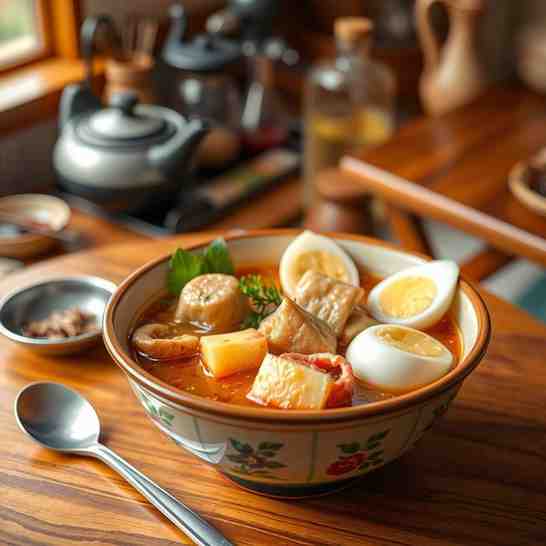
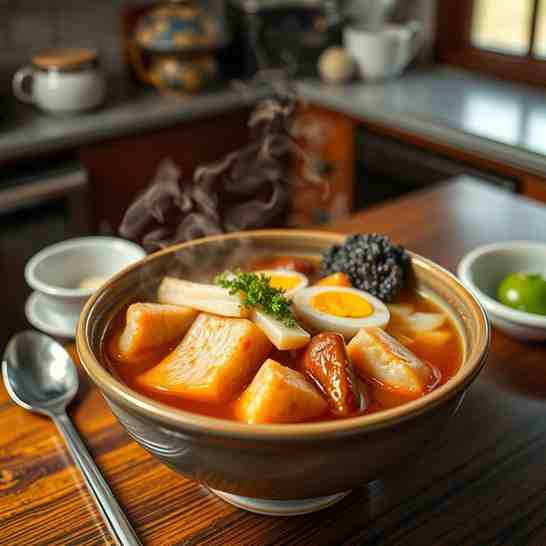
- Serves: 4 People
- Prepare Time: 30 minutes
- Cooking Time: 60-90 minut
- Calories: -
- Difficulty: Easy
Welcome to the ultimate guide for making Oden, a truly comforting and hearty Japanese stew perfect for chilly days! Imagine a steaming pot filled with an assortment of delicious ingredients, all simmering gently in a light, umami-rich dashi broth. This isn't just any seafood stew recipe; it's a beloved winter tradition in Japan, now made easy for your home kitchen. Whether you're looking for healthy dinner recipes for one or planning home cooked meals for the family, this Japanese meal prep friendly dish is simple, satisfying, and utterly delicious. Get ready to discover your new favorite easy recipe for one or a crowd!
Ingredients
Directions
- Prep the Long-Cook Ingredients:
- Daikon: Peel the daikon radish and cut it into thick, 1-inch rounds. Optionally, chamfer the edges (cut a slight bevel around the top edge) to prevent them from breaking down too much during simmering. Place the daikon rounds in a pot, cover with water, and parboil for about 15-20 minutes until they are slightly translucent and starting to soften. Drain and set aside.
- Eggs: Hard-boil the eggs, then peel them carefully under cold running water. Set aside.
- Konnyaku: Cut the konnyaku block into triangles or rectangles. Score a shallow criss-cross pattern on one side of each piece to help it absorb flavor. To remove the slight odor, rub the konnyaku pieces with a pinch of salt, then blanch them in boiling water for 2-3 minutes. Drain well and set aside.
- Prep the Ready-to-Heat Ingredients:
- Fish Cakes (Chikuwa & Satsuma-age): Most fish cakes benefit from a quick blanch to remove excess surface oil, which can make your broth cloudy. Bring a small pot of water to a boil, quickly dip the chikuwa and satsuma-age for about 30 seconds, then drain and rinse lightly. Cut larger satsuma-age pieces if desired.
- Atsuage (Thick Fried Tofu): Like the fish cakes, atsuage can be blanched quickly or rinsed under hot water to remove surface oil. Cut into desired sizes (e.g., triangles or squares).
- Make the Broth:
- In a large pot or Dutch oven (a donabe is traditional if you have one), combine the dashi stock, soy sauce, mirin, sake (or water + sugar), and salt. Bring the mixture to a gentle simmer over medium-low heat. Do not let it come to a rolling boil.
- Simmer in Waves (The Key to Perfect Oden):
- First Wave (Long Simmer): Carefully add the parboiled daikon, prepared konnyaku, and peeled hard-boiled eggs to the simmering broth. Ensure they are submerged. Reduce the heat to low, cover partially, and simmer gently for at least 45-60 minutes, or until the daikon is fully tender and translucent, and the eggs have absorbed some color and flavor.
- Second Wave (Quick Heat): Once the daikon is tender, add the prepared atsuage, chikuwa, and satsuma-age to the pot. Continue to simmer gently for another 15-20 minutes, just long enough for these ingredients to heat through and absorb the delicious broth flavors without overcooking.
- Taste and Adjust: Taste the broth and make any small adjustments to salt if needed. Remember, Oden broth should be light yet flavorful.
- Rest and Serve:
- Resting for Flavor: Oden flavors deepen and improve significantly if allowed to rest off the heat for at least 30 minutes, or even better, a few hours. This allows the ingredients to fully absorb the broth.
- Serving: Gently reheat the Oden over low heat (again, no boiling!). Serve individual portions in bowls with a ladle of broth. Offer karashi (Japanese hot mustard) on the side for dipping, and garnish with sliced green onion or a sprinkle of shichimi togarashi if desired.
Oden - Easy Homemade Japanese Stew Recipe
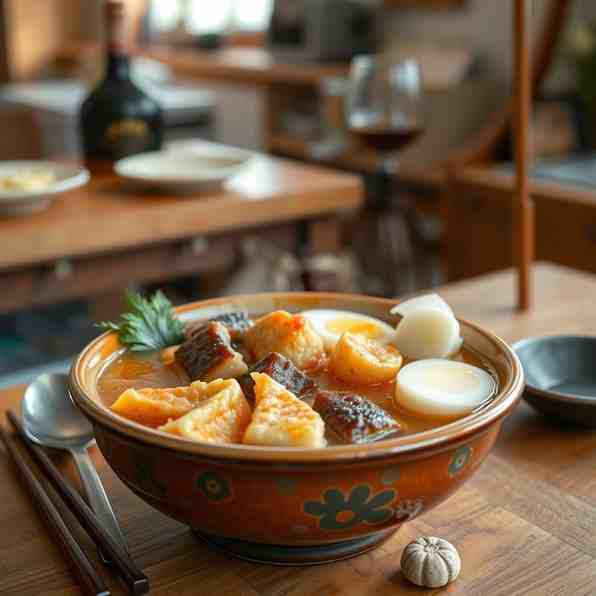
- Serves: 4 People
- Prepare Time: 30 minutes
- Cooking Time: 60-90 minut
- Calories: -
- Difficulty: Easy
Welcome to the ultimate guide for making Oden, a truly comforting and hearty Japanese stew perfect for chilly days! Imagine a steaming pot filled with an assortment of delicious ingredients, all simmering gently in a light, umami-rich dashi broth. This isn't just any seafood stew recipe; it's a beloved winter tradition in Japan, now made easy for your home kitchen. Whether you're looking for healthy dinner recipes for one or planning home cooked meals for the family, this Japanese meal prep friendly dish is simple, satisfying, and utterly delicious. Get ready to discover your new favorite easy recipe for one or a crowd!
Ingredients
Directions
- Prep the Long-Cook Ingredients:
- Daikon: Peel the daikon radish and cut it into thick, 1-inch rounds. Optionally, chamfer the edges (cut a slight bevel around the top edge) to prevent them from breaking down too much during simmering. Place the daikon rounds in a pot, cover with water, and parboil for about 15-20 minutes until they are slightly translucent and starting to soften. Drain and set aside.
- Eggs: Hard-boil the eggs, then peel them carefully under cold running water. Set aside.
- Konnyaku: Cut the konnyaku block into triangles or rectangles. Score a shallow criss-cross pattern on one side of each piece to help it absorb flavor. To remove the slight odor, rub the konnyaku pieces with a pinch of salt, then blanch them in boiling water for 2-3 minutes. Drain well and set aside.
- Prep the Ready-to-Heat Ingredients:
- Fish Cakes (Chikuwa & Satsuma-age): Most fish cakes benefit from a quick blanch to remove excess surface oil, which can make your broth cloudy. Bring a small pot of water to a boil, quickly dip the chikuwa and satsuma-age for about 30 seconds, then drain and rinse lightly. Cut larger satsuma-age pieces if desired.
- Atsuage (Thick Fried Tofu): Like the fish cakes, atsuage can be blanched quickly or rinsed under hot water to remove surface oil. Cut into desired sizes (e.g., triangles or squares).
- Make the Broth:
- In a large pot or Dutch oven (a donabe is traditional if you have one), combine the dashi stock, soy sauce, mirin, sake (or water + sugar), and salt. Bring the mixture to a gentle simmer over medium-low heat. Do not let it come to a rolling boil.
- Simmer in Waves (The Key to Perfect Oden):
- First Wave (Long Simmer): Carefully add the parboiled daikon, prepared konnyaku, and peeled hard-boiled eggs to the simmering broth. Ensure they are submerged. Reduce the heat to low, cover partially, and simmer gently for at least 45-60 minutes, or until the daikon is fully tender and translucent, and the eggs have absorbed some color and flavor.
- Second Wave (Quick Heat): Once the daikon is tender, add the prepared atsuage, chikuwa, and satsuma-age to the pot. Continue to simmer gently for another 15-20 minutes, just long enough for these ingredients to heat through and absorb the delicious broth flavors without overcooking.
- Taste and Adjust: Taste the broth and make any small adjustments to salt if needed. Remember, Oden broth should be light yet flavorful.
- Rest and Serve:
- Resting for Flavor: Oden flavors deepen and improve significantly if allowed to rest off the heat for at least 30 minutes, or even better, a few hours. This allows the ingredients to fully absorb the broth.
- Serving: Gently reheat the Oden over low heat (again, no boiling!). Serve individual portions in bowls with a ladle of broth. Offer karashi (Japanese hot mustard) on the side for dipping, and garnish with sliced green onion or a sprinkle of shichimi togarashi if desired.
You may also like




Hey there! I’m just someone who seriously loves good food and believes that cooking doesn’t have to be complicated to be amazing. Whether it’s a quick weeknight dinner or a cozy weekend meal, I’m all about sharing easy, tasty recipes that actually work.