
Palusami - Vegetables in Coconut Milk Recipe
Palusami - Vegetables in Coconut Milk Recipe
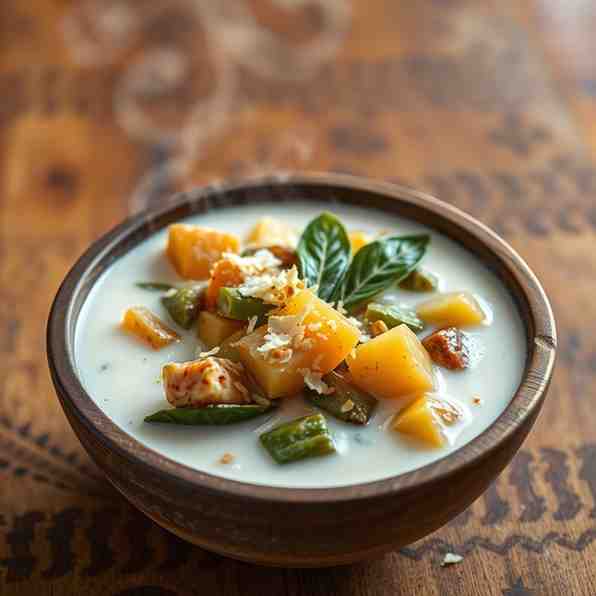
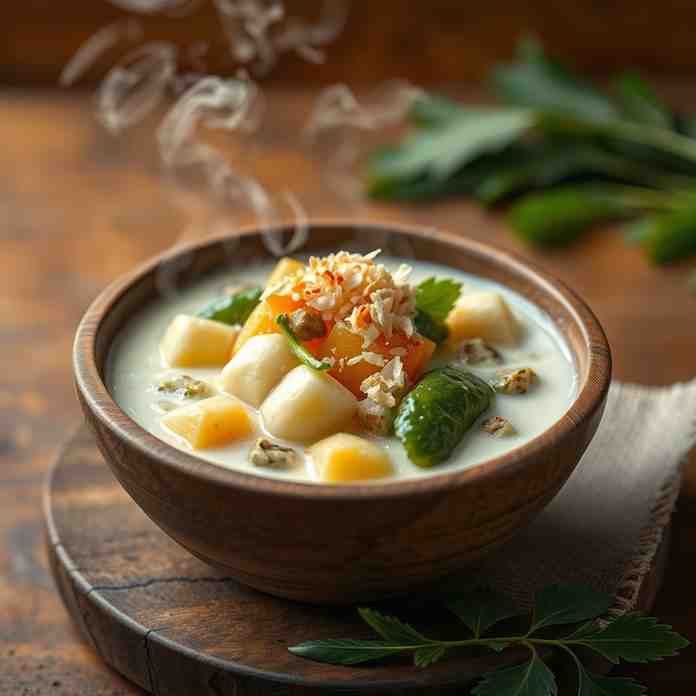
- Serves: 4 People
- Prepare Time: 25 minutes
- Cooking Time: 45 minutes
- Calories: -
- Difficulty: Medium
Ever dreamed of a dish that's both comforting and exotic, blending simple ingredients into something truly spectacular? Get ready to discover Palusami, a traditional Pacific Island delight that will change the way you think about vegetables in coconut milk recipes! This isn't just any dish; it's a creamy, flavorful masterpiece featuring tender taro leaves generously stuffed and simmered in rich coconut cream sauce. If you're looking to explore popular vegetable dishes that can easily be a main course or a fantastic side dish vegetable, Palusami is your answer.
We're diving deep into the heart of this incredible dish, covering everything from the unique experience of cooking with fresh taro leaves to understanding the difference between coconut milk and coconut cream. Whether you're a seasoned chef or just starting your culinary journey, this recipe is designed to be approachable, fun, and utterly delicious. Get ready to wrap your taste buds around the magic of Palusami – a true testament to how simple ingredients can create extraordinary flavor!
Ingredients
Directions
- Prepare the Taro Leaves: If using fresh taro leaves, wash them thoroughly. Carefully remove any tough stems. For easier handling and to reduce any itchiness (calcium oxalate crystals are common in raw taro leaves), you can blanch them quickly: bring a pot of water to a boil, dip the leaves for 30 seconds, then immediately transfer to an ice bath. Pat dry. If using spinach or collard greens, simply wash and pat dry.
- Make the Filling: In a medium bowl, combine the finely chopped onion, minced garlic (if using), salt, and pepper. Add about half of the canned coconut cream. Mix everything well until the onion and garlic are evenly coated and the mixture is creamy. This is your flavorful stuffing!
- Stuff the Leaves: Lay a taro leaf flat on a clean surface. Place a spoonful or two of the coconut cream mixture in the center of the leaf. Fold the sides of the leaf over the filling, then roll it up tightly, like a small parcel or an egg roll. Repeat with the remaining leaves and filling. If your taro leaves are small, you might need to use two or three overlapping leaves to form one parcel.
- Arrange and Simmer: Carefully place the stuffed taro leaf parcels seam-side down in a medium-sized pot or a deep, oven-safe dish. They should fit snugly. Pour the remaining coconut cream over the parcels. If the cream doesn't quite cover them, add a splash of water until they are mostly submerged.
- Cook: Bring the pot to a gentle simmer over medium-low heat. Cover the pot and let it cook for at least 45 minutes to 1 hour, or until the taro leaves are very tender and the sauce has thickened beautifully. If using spinach or collard greens, the cooking time will be shorter, about 20-30 minutes, as they soften faster.
- Serve: Once cooked, gently transfer the Palusami parcels and their rich coconut cream sauce to serving plates. Palusami is traditionally enjoyed hot, often with root vegetables like taro, sweet potato, or alongside rice.
Palusami - Vegetables in Coconut Milk Recipe
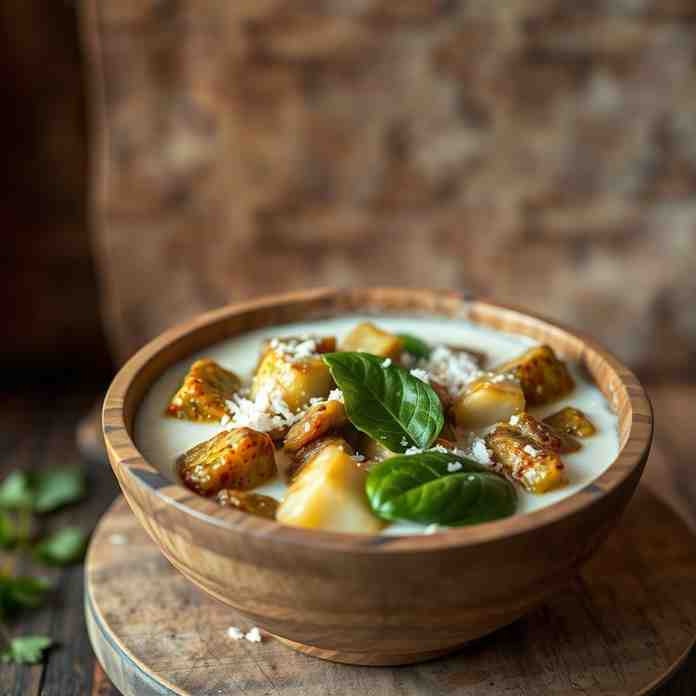
- Serves: 4 People
- Prepare Time: 25 minutes
- Cooking Time: 45 minutes
- Calories: -
- Difficulty: Medium
Ever dreamed of a dish that's both comforting and exotic, blending simple ingredients into something truly spectacular? Get ready to discover Palusami, a traditional Pacific Island delight that will change the way you think about vegetables in coconut milk recipes! This isn't just any dish; it's a creamy, flavorful masterpiece featuring tender taro leaves generously stuffed and simmered in rich coconut cream sauce. If you're looking to explore popular vegetable dishes that can easily be a main course or a fantastic side dish vegetable, Palusami is your answer.
We're diving deep into the heart of this incredible dish, covering everything from the unique experience of cooking with fresh taro leaves to understanding the difference between coconut milk and coconut cream. Whether you're a seasoned chef or just starting your culinary journey, this recipe is designed to be approachable, fun, and utterly delicious. Get ready to wrap your taste buds around the magic of Palusami – a true testament to how simple ingredients can create extraordinary flavor!
Ingredients
Directions
- Prepare the Taro Leaves: If using fresh taro leaves, wash them thoroughly. Carefully remove any tough stems. For easier handling and to reduce any itchiness (calcium oxalate crystals are common in raw taro leaves), you can blanch them quickly: bring a pot of water to a boil, dip the leaves for 30 seconds, then immediately transfer to an ice bath. Pat dry. If using spinach or collard greens, simply wash and pat dry.
- Make the Filling: In a medium bowl, combine the finely chopped onion, minced garlic (if using), salt, and pepper. Add about half of the canned coconut cream. Mix everything well until the onion and garlic are evenly coated and the mixture is creamy. This is your flavorful stuffing!
- Stuff the Leaves: Lay a taro leaf flat on a clean surface. Place a spoonful or two of the coconut cream mixture in the center of the leaf. Fold the sides of the leaf over the filling, then roll it up tightly, like a small parcel or an egg roll. Repeat with the remaining leaves and filling. If your taro leaves are small, you might need to use two or three overlapping leaves to form one parcel.
- Arrange and Simmer: Carefully place the stuffed taro leaf parcels seam-side down in a medium-sized pot or a deep, oven-safe dish. They should fit snugly. Pour the remaining coconut cream over the parcels. If the cream doesn't quite cover them, add a splash of water until they are mostly submerged.
- Cook: Bring the pot to a gentle simmer over medium-low heat. Cover the pot and let it cook for at least 45 minutes to 1 hour, or until the taro leaves are very tender and the sauce has thickened beautifully. If using spinach or collard greens, the cooking time will be shorter, about 20-30 minutes, as they soften faster.
- Serve: Once cooked, gently transfer the Palusami parcels and their rich coconut cream sauce to serving plates. Palusami is traditionally enjoyed hot, often with root vegetables like taro, sweet potato, or alongside rice.
You may also like




Hey there! I’m just someone who seriously loves good food and believes that cooking doesn’t have to be complicated to be amazing. Whether it’s a quick weeknight dinner or a cozy weekend meal, I’m all about sharing easy, tasty recipes that actually work.