
Ræst Kjøt & Home Cooking
Ræst Kjøt & Home Cooking

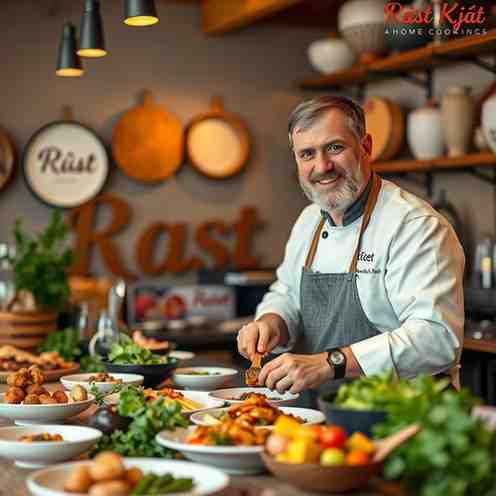
- Serves: 4 People
- Prepare Time: 15 minutes
- Cooking Time: 2-3 hours
- Calories: -
- Difficulty: Medium
Hey there, food adventurers! Ready to dive into a truly unique culinary experience? We’re talking about Ræst Kjøt (pronounced “rast choot”), a traditional fermented lamb dish from the remote and breathtaking Faroe Islands. If you're curious about ``fermented foods to buy``, or keen on exploring ``types of meat`` that tell a story, you’ve landed in the right spot. This isn't just a meal; it's a taste of history, a testament to ingenious preservation, and a deeply cherished part of Faroese culture.
In this guide, we'll peel back the layers of Ræst Kjøt, explaining exactly what makes it so special. You’ll learn about its distinct flavors and textures, understand why it exists, and get practical advice on how to enjoy it yourself. While the traditional fermentation process is a wild, nature-driven affair best left to the experts in the Faroes, we’ll focus on how you can prepare and serve this remarkable lamb safely and deliciously right in your own kitchen. Whether you’re looking to incorporate more ``meat based diet`` options into your ``whole food diet with meat`` or just curious about traditional ``fish and meat`` dishes, get ready to expand your culinary horizons.
The word “ræst” in Faroese refers to a specific stage of fermentation or air-drying, particularly for lamb, which gives the meat a distinct, intense flavor. Think of it as a semi-dried, deeply fermented taste. It’s not rotten, but rather a carefully controlled process that develops profound umami and a characteristic "funk." If you’re familiar with aged cheeses or certain cured meats, you’ll recognize that savory, complex depth. It’s a flavor profile that’s truly unique – often described as earthy, tangy, and profoundly meaty.
The Faroese have several stages of meat preservation, each with its own flavor and texture. Here’s a quick rundown:
Ræst Kjøt: This is lamb that has been air-dried and fermented for a medium length of time, typically a few weeks to a few months. It's past the initial "fresh" stage but not fully dried. It develops a potent, tangy umami flavor and a slightly chewy, tender texture.
Skjerpekjøt: This is lamb that has been air-dried and fermented for a much longer period, often over six months to a year. It's essentially wind-dried meat, becoming very dry and firm, almost like jerky but with a richer, more concentrated flavor. It’s usually eaten raw, sliced thinly.
Ræstur Fiskur: Similar to ræst kjøt, but applied to fish. Fish like cod or haddock are traditionally fermented and air-dried, resulting in a strong, pungent flavor and a firm texture.
As the fermentation and drying time increases, the flavors become more concentrated and intense, and the texture becomes firmer. Ræst kjøt sits in the middle, offering a balance of tenderness and robust flavor.
The existence of ræst kjøt is a direct reflection of the Faroe Islands' harsh, isolated environment. Imagine a place where fertile land is scarce, the winds are constant, temperatures are cool, and the air is naturally salty from the surrounding ocean. Before refrigeration, preserving food was a matter of survival. The Faroese ingeniously harnessed their natural climate to create a perfect, albeit unique, preservation method.
The key to this process is the "hjallur" – a traditional, unheated, open-sided drying shed. The constant wind, cool temperatures, and salty air naturally cure and ferment the meat. This isn't a process you can easily replicate in a typical home; it's a delicate balance of specific environmental conditions, air circulation, and time, guided by generations of accumulated knowledge. It's a true example of how human ingenuity adapts to nature's challenges.
Let’s be honest: Ræst Kjøt isn't for the faint of heart, but it’s incredibly rewarding for adventurous palates. The aroma alone is distinctive – it’s savory, deep, and can have notes that some might compare to a very aged blue cheese or a pungent, earthy cellar. It’s definitely "funky" in the best possible way, but not in a spoiled sense.
Flavor-wise, expect a powerful umami punch. It’s intensely savory, with a tangy, almost sour undertone that cuts through the richness of the lamb. Some describe it as having notes of game, aged cheese, and even a hint of brine. The texture is generally tender but can be slightly chewy, retaining the integrity of the meat even after fermentation. It’s a flavor that grows on you, revealing new complexities with each bite.
Here’s the safety-first guidance: Fermenting and air-aging meat at home is an advanced culinary technique and carries significant risks if not done under strictly controlled, professional conditions. The traditional Faroese process relies on very specific environmental factors that are impossible to replicate safely in a typical home kitchen. Improper fermentation can lead to dangerous bacterial growth.
So, the practical answer for most home cooks in the US is: No, you cannot safely make traditional ræst kjøt at home from scratch.
However, that doesn't mean you can't enjoy the flavors! You have two main options:
1. Buy it (if you can): If you're lucky enough to find commercially prepared, safely sourced fermented or wind-dried lamb (often from specialty European butchers or online), that’s your best bet.
2. Cook lamb and add small, safe fermented flavors: This recipe focuses on creating a "ræst kjøt-style" dish using fresh lamb, enhancing it with safe, readily available fermented ingredients like miso or fish sauce to mimic that umami "funk."
Finding authentic ræst kjøt outside of the Faroe Islands can be a challenge, but it's not impossible. If you’re looking for ``fermented foods to buy`` that are truly unique, here’s what to keep in mind:
Specialty Stores: Check high-end butcher shops or gourmet food stores that specialize in European imports. They might occasionally carry wind-dried lamb or similar products.
Online Retailers: Some online vendors specializing in Nordic or artisanal meats might offer it. Search terms like "Faroese fermented lamb," "ræst kjøt," or "wind-dried lamb."
Labels and Terms: Look for clear labeling that indicates it’s a commercially prepared, food-safe product. If you find something, ensure it comes from a trusted, reputable maker.
What "Good Quality" Looks Like: If you get your hands on some, good quality ræst kjøt should have a dry exterior, a consistent and deep savory aroma (not off-putting), and a firm but not rock-hard texture. Always purchase from a trusted source.
This recipe brings the comforting, savory essence of Faroese cooking to your home, focusing on the hearty flavors and tender texture of simmered lamb. We’ll use fresh lamb and a few clever tricks to hint at that unique fermented funk, creating a deeply satisfying meal that’s perfect for a cozy evening.
Ingredients
Directions
- Prep the Meat:
- If using store-bought fermented/wind-dried lamb: Rinse the lamb well under cold water and pat dry. If it appears very salty, you can do a short cold soak (30-60 minutes) and then discard the soaking water before proceeding. This helps temper the saltiness.
- If using fresh lamb (recommended for home cooking): Pat the lamb dry with paper towels. Lightly season all sides with salt. You don't need to sear it; it will develop flavor as it simmers.
- Build the Broth: Place the prepped lamb into your large pot or Dutch oven. Add the chopped onion, smashed garlic, bay leaves, black peppercorns, and dried thyme. Pour in enough cold water to completely cover the lamb by at least an inch.
- Simmer Until Tender: Bring the pot to a gentle simmer over medium-high heat. Once simmering, reduce the heat to low, cover the pot partially (leaving a small gap for steam to escape), and let it cook gently for 2 to 3 hours, or until the lamb is incredibly tender and easily pulls away from the bone. As it simmers, use a ladle or spoon to skim off any foam or impurities that rise to the surface, especially in the first hour. This keeps your broth clear and clean-tasting.
- Cook Potatoes in the Same Pot: About 20-30 minutes before the lamb is expected to be done (when it’s already very tender), add your halved or quartered potatoes directly into the pot with the simmering lamb and broth. Ensure they are mostly submerged. Continue to simmer until the potatoes are fork-tender but not falling apart.
- Finish with Mustard-Butter: While the potatoes are cooking, prepare your mustard-butter. In a small bowl, melt the unsalted butter. Whisk in the Dijon mustard until well combined. Take a ladleful or two of the hot broth from the pot and gradually whisk it into the mustard-butter mixture until it's smooth and slightly thinned. This creates a flavorful, tangy emulsion.
- Optional "Funk" Boost: If using fresh lamb and aiming for a deeper umami hint, stir in a tiny splash of fish sauce or a spoon of white miso paste into the mustard-butter mixture, or directly into the main pot during the last 30 minutes of simmering. Taste carefully as you add it.
- Taste and Adjust Salt: Carefully taste the broth. If using fermented lamb, it might be salty enough. If using fresh lamb, you’ll likely need to add more salt to your preference. Remember, the mustard-butter will also add flavor.
- Serve: Carefully remove the lamb from the pot and place it on a cutting board. The meat should be tender enough to slice easily or even pull apart with forks. Arrange the lamb and potatoes in shallow bowls. Ladle a generous amount of the savory broth over everything, then spoon the mustard-butter mixture on top.
- Doneness and Taste Checks:
- Lamb Tenderness: The lamb is done when it's "falls off the bone" tender. You should be able to easily pull a piece away with a fork. If it's still tough, keep simmering low and slow.
- Salt Check: This is crucial, especially if you're using fermented lamb. Taste the broth frequently. If too salty, you can dilute it with a bit of unsalted water or serve with plain boiled potatoes to balance. If using fresh lamb, season gradually until it tastes right to you.
Ræst Kjøt & Home Cooking

- Serves: 4 People
- Prepare Time: 15 minutes
- Cooking Time: 2-3 hours
- Calories: -
- Difficulty: Medium
Hey there, food adventurers! Ready to dive into a truly unique culinary experience? We’re talking about Ræst Kjøt (pronounced “rast choot”), a traditional fermented lamb dish from the remote and breathtaking Faroe Islands. If you're curious about ``fermented foods to buy``, or keen on exploring ``types of meat`` that tell a story, you’ve landed in the right spot. This isn't just a meal; it's a taste of history, a testament to ingenious preservation, and a deeply cherished part of Faroese culture.
In this guide, we'll peel back the layers of Ræst Kjøt, explaining exactly what makes it so special. You’ll learn about its distinct flavors and textures, understand why it exists, and get practical advice on how to enjoy it yourself. While the traditional fermentation process is a wild, nature-driven affair best left to the experts in the Faroes, we’ll focus on how you can prepare and serve this remarkable lamb safely and deliciously right in your own kitchen. Whether you’re looking to incorporate more ``meat based diet`` options into your ``whole food diet with meat`` or just curious about traditional ``fish and meat`` dishes, get ready to expand your culinary horizons.
The word “ræst” in Faroese refers to a specific stage of fermentation or air-drying, particularly for lamb, which gives the meat a distinct, intense flavor. Think of it as a semi-dried, deeply fermented taste. It’s not rotten, but rather a carefully controlled process that develops profound umami and a characteristic "funk." If you’re familiar with aged cheeses or certain cured meats, you’ll recognize that savory, complex depth. It’s a flavor profile that’s truly unique – often described as earthy, tangy, and profoundly meaty.
The Faroese have several stages of meat preservation, each with its own flavor and texture. Here’s a quick rundown:
Ræst Kjøt: This is lamb that has been air-dried and fermented for a medium length of time, typically a few weeks to a few months. It's past the initial "fresh" stage but not fully dried. It develops a potent, tangy umami flavor and a slightly chewy, tender texture.
Skjerpekjøt: This is lamb that has been air-dried and fermented for a much longer period, often over six months to a year. It's essentially wind-dried meat, becoming very dry and firm, almost like jerky but with a richer, more concentrated flavor. It’s usually eaten raw, sliced thinly.
Ræstur Fiskur: Similar to ræst kjøt, but applied to fish. Fish like cod or haddock are traditionally fermented and air-dried, resulting in a strong, pungent flavor and a firm texture.
As the fermentation and drying time increases, the flavors become more concentrated and intense, and the texture becomes firmer. Ræst kjøt sits in the middle, offering a balance of tenderness and robust flavor.
The existence of ræst kjøt is a direct reflection of the Faroe Islands' harsh, isolated environment. Imagine a place where fertile land is scarce, the winds are constant, temperatures are cool, and the air is naturally salty from the surrounding ocean. Before refrigeration, preserving food was a matter of survival. The Faroese ingeniously harnessed their natural climate to create a perfect, albeit unique, preservation method.
The key to this process is the "hjallur" – a traditional, unheated, open-sided drying shed. The constant wind, cool temperatures, and salty air naturally cure and ferment the meat. This isn't a process you can easily replicate in a typical home; it's a delicate balance of specific environmental conditions, air circulation, and time, guided by generations of accumulated knowledge. It's a true example of how human ingenuity adapts to nature's challenges.
Let’s be honest: Ræst Kjøt isn't for the faint of heart, but it’s incredibly rewarding for adventurous palates. The aroma alone is distinctive – it’s savory, deep, and can have notes that some might compare to a very aged blue cheese or a pungent, earthy cellar. It’s definitely "funky" in the best possible way, but not in a spoiled sense.
Flavor-wise, expect a powerful umami punch. It’s intensely savory, with a tangy, almost sour undertone that cuts through the richness of the lamb. Some describe it as having notes of game, aged cheese, and even a hint of brine. The texture is generally tender but can be slightly chewy, retaining the integrity of the meat even after fermentation. It’s a flavor that grows on you, revealing new complexities with each bite.
Here’s the safety-first guidance: Fermenting and air-aging meat at home is an advanced culinary technique and carries significant risks if not done under strictly controlled, professional conditions. The traditional Faroese process relies on very specific environmental factors that are impossible to replicate safely in a typical home kitchen. Improper fermentation can lead to dangerous bacterial growth.
So, the practical answer for most home cooks in the US is: No, you cannot safely make traditional ræst kjøt at home from scratch.
However, that doesn't mean you can't enjoy the flavors! You have two main options:
1. Buy it (if you can): If you're lucky enough to find commercially prepared, safely sourced fermented or wind-dried lamb (often from specialty European butchers or online), that’s your best bet.
2. Cook lamb and add small, safe fermented flavors: This recipe focuses on creating a "ræst kjøt-style" dish using fresh lamb, enhancing it with safe, readily available fermented ingredients like miso or fish sauce to mimic that umami "funk."
Finding authentic ræst kjøt outside of the Faroe Islands can be a challenge, but it's not impossible. If you’re looking for ``fermented foods to buy`` that are truly unique, here’s what to keep in mind:
Specialty Stores: Check high-end butcher shops or gourmet food stores that specialize in European imports. They might occasionally carry wind-dried lamb or similar products.
Online Retailers: Some online vendors specializing in Nordic or artisanal meats might offer it. Search terms like "Faroese fermented lamb," "ræst kjøt," or "wind-dried lamb."
Labels and Terms: Look for clear labeling that indicates it’s a commercially prepared, food-safe product. If you find something, ensure it comes from a trusted, reputable maker.
What "Good Quality" Looks Like: If you get your hands on some, good quality ræst kjøt should have a dry exterior, a consistent and deep savory aroma (not off-putting), and a firm but not rock-hard texture. Always purchase from a trusted source.
This recipe brings the comforting, savory essence of Faroese cooking to your home, focusing on the hearty flavors and tender texture of simmered lamb. We’ll use fresh lamb and a few clever tricks to hint at that unique fermented funk, creating a deeply satisfying meal that’s perfect for a cozy evening.
Ingredients
Directions
- Prep the Meat:
- If using store-bought fermented/wind-dried lamb: Rinse the lamb well under cold water and pat dry. If it appears very salty, you can do a short cold soak (30-60 minutes) and then discard the soaking water before proceeding. This helps temper the saltiness.
- If using fresh lamb (recommended for home cooking): Pat the lamb dry with paper towels. Lightly season all sides with salt. You don't need to sear it; it will develop flavor as it simmers.
- Build the Broth: Place the prepped lamb into your large pot or Dutch oven. Add the chopped onion, smashed garlic, bay leaves, black peppercorns, and dried thyme. Pour in enough cold water to completely cover the lamb by at least an inch.
- Simmer Until Tender: Bring the pot to a gentle simmer over medium-high heat. Once simmering, reduce the heat to low, cover the pot partially (leaving a small gap for steam to escape), and let it cook gently for 2 to 3 hours, or until the lamb is incredibly tender and easily pulls away from the bone. As it simmers, use a ladle or spoon to skim off any foam or impurities that rise to the surface, especially in the first hour. This keeps your broth clear and clean-tasting.
- Cook Potatoes in the Same Pot: About 20-30 minutes before the lamb is expected to be done (when it’s already very tender), add your halved or quartered potatoes directly into the pot with the simmering lamb and broth. Ensure they are mostly submerged. Continue to simmer until the potatoes are fork-tender but not falling apart.
- Finish with Mustard-Butter: While the potatoes are cooking, prepare your mustard-butter. In a small bowl, melt the unsalted butter. Whisk in the Dijon mustard until well combined. Take a ladleful or two of the hot broth from the pot and gradually whisk it into the mustard-butter mixture until it's smooth and slightly thinned. This creates a flavorful, tangy emulsion.
- Optional "Funk" Boost: If using fresh lamb and aiming for a deeper umami hint, stir in a tiny splash of fish sauce or a spoon of white miso paste into the mustard-butter mixture, or directly into the main pot during the last 30 minutes of simmering. Taste carefully as you add it.
- Taste and Adjust Salt: Carefully taste the broth. If using fermented lamb, it might be salty enough. If using fresh lamb, you’ll likely need to add more salt to your preference. Remember, the mustard-butter will also add flavor.
- Serve: Carefully remove the lamb from the pot and place it on a cutting board. The meat should be tender enough to slice easily or even pull apart with forks. Arrange the lamb and potatoes in shallow bowls. Ladle a generous amount of the savory broth over everything, then spoon the mustard-butter mixture on top.
- Doneness and Taste Checks:
- Lamb Tenderness: The lamb is done when it's "falls off the bone" tender. You should be able to easily pull a piece away with a fork. If it's still tough, keep simmering low and slow.
- Salt Check: This is crucial, especially if you're using fermented lamb. Taste the broth frequently. If too salty, you can dilute it with a bit of unsalted water or serve with plain boiled potatoes to balance. If using fresh lamb, season gradually until it tastes right to you.
You may also like



Hey there! I’m just someone who seriously loves good food and believes that cooking doesn’t have to be complicated to be amazing. Whether it’s a quick weeknight dinner or a cozy weekend meal, I’m all about sharing easy, tasty recipes that actually work.