
Sao Lao - Comforting Pork & Bamboo Shoot Soup Recipe
Sao Lao - Comforting Pork & Bamboo Shoot Soup Recipe
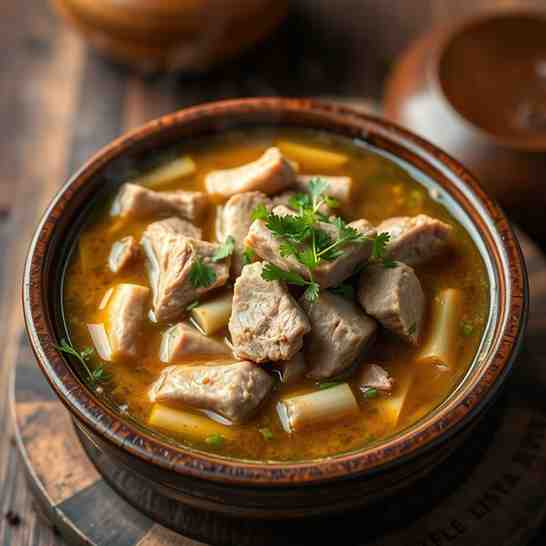
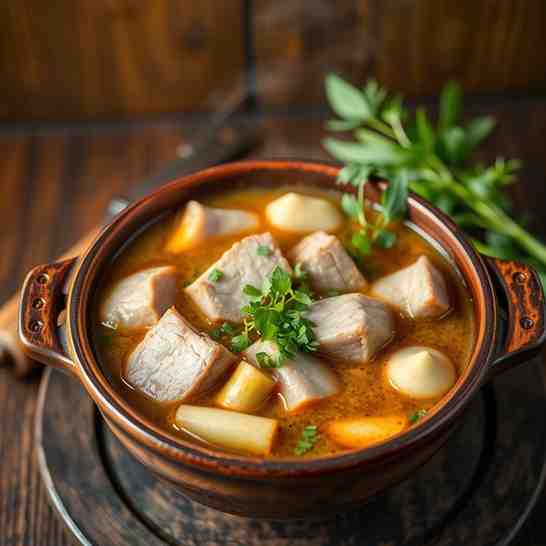
- Serves: 6 People
- Prepare Time: 25 minutes
- Cooking Time: 50 minutes
- Calories: -
- Difficulty: Medium
Craving a truly unique and deeply satisfying soup comfort food? Look no further than Sao Lao, also known as Gaeng Nor Mai or Keng No Mai. This traditional Lao bamboo shoot vegetable soup is a culinary hug in a bowl, perfect for any time you need something warm, savory, and wonderfully earthy. It’s a dish that beautifully balances the freshness of herbs with the rich depth of pork and the distinctive flavor of bamboo shoots, all brought together by the magic of yanang and a touch of fermented fish sauce.
What does it taste like, you ask? Imagine an earthy-green broth with a gentle, savory funk that's incredibly comforting without being heavy. It's herbaceous, slightly tangy, and utterly delicious. While it’s often called Gaeng Nor Mai or Keng No Mai, you might also see it online as "Sao Lao," a name that evokes the spirit of Lao cuisine. No matter what you call it, this noodle soup bowl (or sticky rice companion!) is a must-try.
This recipe will guide you through creating an authentic and delicious Sao Lao, ensuring you get that perfect balance of flavors, from preparing your bamboo shoots to adding the final fragrant herbs. Get ready to experience a truly special broth and noodles (or sticky rice!) dish that will quickly become a favorite.
Ingredients
Directions
- Prep bamboo shoots so they taste clean (and safe)
- Fresh: Boil fresh bamboo shoots in plenty of water for 30 minutes, drain, rinse, and repeat this process 2-3 times to remove any natural bitterness and ensure they are safe to eat.
- Canned/Brined: Drain and rinse canned or brined bamboo shoots thoroughly under cold water. If using brined, a quick 5-minute boil can mellow their strong fermented flavor.
- Thinly sliced: Aim for slices about 1/8-inch thick. This ensures they cook evenly and absorb the soup's flavors beautifully.
- Start the broth (clean flavor, tender pork)
- In a large pot, add the pork ribs and cover with water. Bring to a boil, then immediately drain and rinse the pork. This quick parboil removes impurities, leading to a clearer, cleaner broth.
- Return the rinsed pork to the pot, add 6-8 cups of fresh water, smashed lemongrass, and shallots. Bring to a gentle simmer. Cook for 30-40 minutes, or until the pork is nearly tender. Skim off any foam that rises to the surface.
- Make and add yanang
- Fresh leaves: If using fresh yanang leaves, blend them with 1 cup of water until smooth. Strain the mixture through a fine-mesh sieve, pressing out all the liquid. Discard the solids.
- Canned extract: Simply measure out the canned yanang extract.
- Add the yanang liquid to the simmering pork broth. This should be done early to allow the herbal flavors to infuse the broth and achieve its characteristic color.
- Add bamboo + vegetables in the right order
- Add the prepared bamboo shoots to the pot. Simmer for 10-15 minutes.
- Next, add any longer-cooking vegetables like pumpkin/kabocha. Cook for about 10 minutes.
- Finally, add quicker-cooking items like mushrooms or gourd, cooking until just tender, usually 5-7 minutes.
- Season with fish sauce + padaek (the “don’t ruin it” step)
- Stir in the fish sauce.
- Then, add 2 tablespoons of padaek. Stir gently and taste. Padaek is potent, so add it gradually, tasting after each addition, until you reach your desired level of savory funk. Adjust with a pinch of salt or sugar if needed. Avoid over-stirring once padaek is added, as this can sometimes make the soup cloudy.
- Thicken with sticky rice paste (no lumps)
- Ensure your sticky rice flour slurry is whisked smooth with no lumps.
- While stirring the soup constantly, slowly stream in the sticky rice paste. Continue to stir gently until the soup lightly thickens.
- What “lightly thickened” looks like: The soup should have a slightly viscous, velvety texture that lightly coats the back of a spoon, not a thick gravy. It will also appear slightly cloudy.
- Finish with herbs + serve
- Remove the pot from the heat. Stir in the fresh rice paddy herb and Lao basil. Adding them off-heat preserves their vibrant color and fresh aroma.
- Do a final taste check and adjust any seasonings if necessary.
Sao Lao - Comforting Pork & Bamboo Shoot Soup Recipe
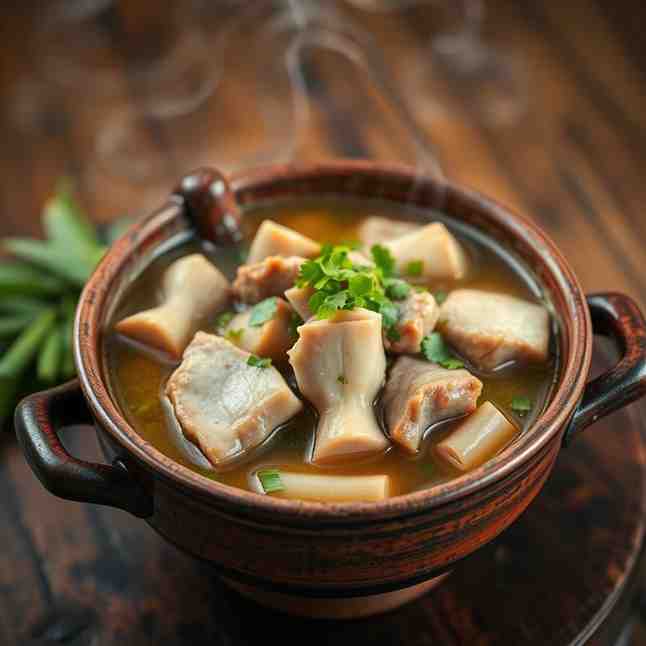
- Serves: 6 People
- Prepare Time: 25 minutes
- Cooking Time: 50 minutes
- Calories: -
- Difficulty: Medium
Craving a truly unique and deeply satisfying soup comfort food? Look no further than Sao Lao, also known as Gaeng Nor Mai or Keng No Mai. This traditional Lao bamboo shoot vegetable soup is a culinary hug in a bowl, perfect for any time you need something warm, savory, and wonderfully earthy. It’s a dish that beautifully balances the freshness of herbs with the rich depth of pork and the distinctive flavor of bamboo shoots, all brought together by the magic of yanang and a touch of fermented fish sauce.
What does it taste like, you ask? Imagine an earthy-green broth with a gentle, savory funk that's incredibly comforting without being heavy. It's herbaceous, slightly tangy, and utterly delicious. While it’s often called Gaeng Nor Mai or Keng No Mai, you might also see it online as "Sao Lao," a name that evokes the spirit of Lao cuisine. No matter what you call it, this noodle soup bowl (or sticky rice companion!) is a must-try.
This recipe will guide you through creating an authentic and delicious Sao Lao, ensuring you get that perfect balance of flavors, from preparing your bamboo shoots to adding the final fragrant herbs. Get ready to experience a truly special broth and noodles (or sticky rice!) dish that will quickly become a favorite.
Ingredients
Directions
- Prep bamboo shoots so they taste clean (and safe)
- Fresh: Boil fresh bamboo shoots in plenty of water for 30 minutes, drain, rinse, and repeat this process 2-3 times to remove any natural bitterness and ensure they are safe to eat.
- Canned/Brined: Drain and rinse canned or brined bamboo shoots thoroughly under cold water. If using brined, a quick 5-minute boil can mellow their strong fermented flavor.
- Thinly sliced: Aim for slices about 1/8-inch thick. This ensures they cook evenly and absorb the soup's flavors beautifully.
- Start the broth (clean flavor, tender pork)
- In a large pot, add the pork ribs and cover with water. Bring to a boil, then immediately drain and rinse the pork. This quick parboil removes impurities, leading to a clearer, cleaner broth.
- Return the rinsed pork to the pot, add 6-8 cups of fresh water, smashed lemongrass, and shallots. Bring to a gentle simmer. Cook for 30-40 minutes, or until the pork is nearly tender. Skim off any foam that rises to the surface.
- Make and add yanang
- Fresh leaves: If using fresh yanang leaves, blend them with 1 cup of water until smooth. Strain the mixture through a fine-mesh sieve, pressing out all the liquid. Discard the solids.
- Canned extract: Simply measure out the canned yanang extract.
- Add the yanang liquid to the simmering pork broth. This should be done early to allow the herbal flavors to infuse the broth and achieve its characteristic color.
- Add bamboo + vegetables in the right order
- Add the prepared bamboo shoots to the pot. Simmer for 10-15 minutes.
- Next, add any longer-cooking vegetables like pumpkin/kabocha. Cook for about 10 minutes.
- Finally, add quicker-cooking items like mushrooms or gourd, cooking until just tender, usually 5-7 minutes.
- Season with fish sauce + padaek (the “don’t ruin it” step)
- Stir in the fish sauce.
- Then, add 2 tablespoons of padaek. Stir gently and taste. Padaek is potent, so add it gradually, tasting after each addition, until you reach your desired level of savory funk. Adjust with a pinch of salt or sugar if needed. Avoid over-stirring once padaek is added, as this can sometimes make the soup cloudy.
- Thicken with sticky rice paste (no lumps)
- Ensure your sticky rice flour slurry is whisked smooth with no lumps.
- While stirring the soup constantly, slowly stream in the sticky rice paste. Continue to stir gently until the soup lightly thickens.
- What “lightly thickened” looks like: The soup should have a slightly viscous, velvety texture that lightly coats the back of a spoon, not a thick gravy. It will also appear slightly cloudy.
- Finish with herbs + serve
- Remove the pot from the heat. Stir in the fresh rice paddy herb and Lao basil. Adding them off-heat preserves their vibrant color and fresh aroma.
- Do a final taste check and adjust any seasonings if necessary.
You may also like


Hey there! I’m just someone who seriously loves good food and believes that cooking doesn’t have to be complicated to be amazing. Whether it’s a quick weeknight dinner or a cozy weekend meal, I’m all about sharing easy, tasty recipes that actually work.