
Ghormeh Sabzi - Persian Herb Stew
Ghormeh Sabzi - Persian Herb Stew
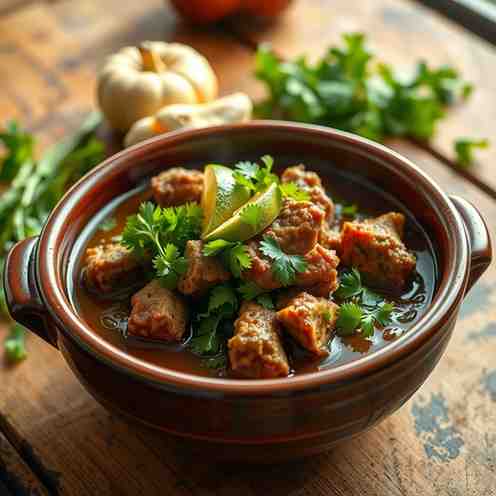
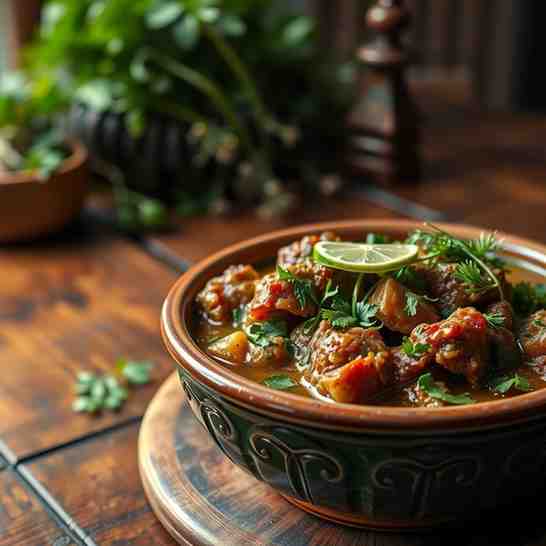
- Serves: 6 People
- Prepare Time: 45 minutes
- Cooking Time: 3 hours 30
- Calories: -
- Difficulty: Medium
Welcome to the wonderful world of Ghormeh Sabzi (also spelled Gormeh Sabzi)! This isn't just any stew recipe; it's a national dish of Iran, a deeply savory, tangy, and profoundly herb-forward Persian stew that will capture your heart (and your kitchen with its incredible aroma). What makes it so special? It's the unique combination of dried herbs (especially fenugreek), tender stew meat, kidney beans, and the signature sour punch of dried limes.
We know what you might be thinking: "That sounds complicated!" And yes, it involves a good bit of chopping, but don't let that deter you. Once the prep is done, this beef stew is mostly hands-off, simmering away to develop its rich, complex flavors. Our goal here is to give you the confidence to master this authentic ghormeh sabzi recipe, guiding you through the crucial steps of herb frying and dried lime handling to ensure a truly spectacular result. Let's get cooking!
Ingredients
Directions
- Before You Start (The Workflow):Herb Prep is Key: This is the most time-consuming part, but crucial. Wash all your fresh herbs (parsley, cilantro, scallions/chives) thoroughly. A salad spinner is your best friend here for fast, mess-free drying. If you don't have one, lay them out on clean kitchen towels to air dry completely. Damp herbs will steam, not fry, in the next step!
- Chop Finely: Once dried, chop all the fresh herbs very finely. The goal is small, uniform pieces, almost like a coarse paste. This helps them fry evenly and prevents any bitterness from large pieces.
- Optional Prep-Ahead: You can chop your herbs the day before and store them in an airtight container in the fridge. Also, measure out your spices and pierce each dried lime a few times with a fork or knife tip (this helps them release their flavor).
- Build the Stew Base
- Heat 2 tablespoons of vegetable oil in a large heavy pot or Dutch oven over medium heat.
- Add the finely diced onion and sauté until softened and translucent, about 5-7 minutes.
- Stir in the minced garlic and turmeric. Cook for another minute until fragrant. The turmeric should "bloom" and release its aroma.
- Add the beef stew meat to the pot. Increase the heat slightly and brown the meat on all sides, stirring occasionally, about 8-10 minutes. This creates a rich, caramelized flavor.
- Pour in 6-8 cups of water or beef broth, ensuring the meat is fully submerged. Bring to a boil, then reduce heat to low, cover, and simmer for at least 1 ½ to 2 hours, or until the beef is starting to become tender.
- Prep + Fry the Herbs (The Signature Step)
- While the beef simmers, heat 3-4 tablespoons of vegetable oil in a large skillet over medium heat.
- Add your finely chopped fresh herbs to the skillet in batches if necessary, to avoid overcrowding and steaming. You want them to fry, not steam.
- 3-Stage Doneness Checklist for Herbs:
- Stage 1 (Steam): The herbs will first release their moisture and steam. Keep stirring.
- Stage 2 (Sizzle): As the moisture evaporates, the herbs will start to sizzle in the oil. Continue stirring regularly to prevent burning.
- Stage 3 (Deep Aroma & Color): The herbs will darken significantly, turn a deep emerald green (almost blackish-green), and smell intensely fragrant and slightly nutty. This frying process can take 30-45 minutes. It's crucial for the flavor of your ghormeh sabzi!
- When to Add Fenugreek: About 5-10 minutes before the herbs are fully fried (in Stage 3), stir in the dried fenugreek leaves. Fenugreek burns easily, so adding it late prevents bitterness.
- How to Avoid Burning: Keep the heat at medium, stir frequently, and don't rush this step. If the herbs start to stick too much or smell burnt, reduce the heat immediately. A little browning is good, charring is not.
- Add Herbs + Beans + Dried Limes and Simmer
- Once the herbs are perfectly fried, carefully transfer them from the skillet to the pot with the simmering beef. Stir well to combine.
- Add the rinsed and drained kidney beans and the pierced whole dried limes to the stew.
- Stir everything together, ensuring the limes are submerged.
- Cover the pot again and continue to simmer on low heat for another 1 to 1 ½ hours, or until the beef is fork-tender and the flavors have melded beautifully. The stew should be brothy but not soupy, with a good consistency.
- Finish + Balance
- Taste the stew. Carefully remove the dried limes before serving, or leave them in the pot and advise guests to avoid biting into them directly.
- Stir in the fresh lime juice. This brightens the flavors and enhances the tanginess.
- Adjust seasoning with salt and black pepper to taste. You might need more salt than you think to balance the herbs and sourness.
- If the stew seems too thin, remove the lid and simmer uncovered for the final 10-15 minutes to allow it to thicken slightly.
Ghormeh Sabzi - Persian Herb Stew
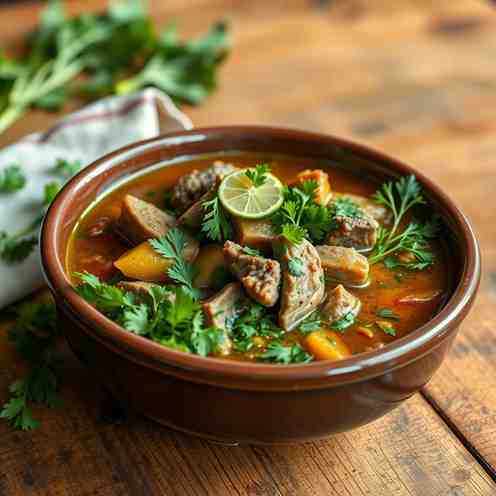
- Serves: 6 People
- Prepare Time: 45 minutes
- Cooking Time: 3 hours 30
- Calories: -
- Difficulty: Medium
Welcome to the wonderful world of Ghormeh Sabzi (also spelled Gormeh Sabzi)! This isn't just any stew recipe; it's a national dish of Iran, a deeply savory, tangy, and profoundly herb-forward Persian stew that will capture your heart (and your kitchen with its incredible aroma). What makes it so special? It's the unique combination of dried herbs (especially fenugreek), tender stew meat, kidney beans, and the signature sour punch of dried limes.
We know what you might be thinking: "That sounds complicated!" And yes, it involves a good bit of chopping, but don't let that deter you. Once the prep is done, this beef stew is mostly hands-off, simmering away to develop its rich, complex flavors. Our goal here is to give you the confidence to master this authentic ghormeh sabzi recipe, guiding you through the crucial steps of herb frying and dried lime handling to ensure a truly spectacular result. Let's get cooking!
Ingredients
Directions
- Before You Start (The Workflow):Herb Prep is Key: This is the most time-consuming part, but crucial. Wash all your fresh herbs (parsley, cilantro, scallions/chives) thoroughly. A salad spinner is your best friend here for fast, mess-free drying. If you don't have one, lay them out on clean kitchen towels to air dry completely. Damp herbs will steam, not fry, in the next step!
- Chop Finely: Once dried, chop all the fresh herbs very finely. The goal is small, uniform pieces, almost like a coarse paste. This helps them fry evenly and prevents any bitterness from large pieces.
- Optional Prep-Ahead: You can chop your herbs the day before and store them in an airtight container in the fridge. Also, measure out your spices and pierce each dried lime a few times with a fork or knife tip (this helps them release their flavor).
- Build the Stew Base
- Heat 2 tablespoons of vegetable oil in a large heavy pot or Dutch oven over medium heat.
- Add the finely diced onion and sauté until softened and translucent, about 5-7 minutes.
- Stir in the minced garlic and turmeric. Cook for another minute until fragrant. The turmeric should "bloom" and release its aroma.
- Add the beef stew meat to the pot. Increase the heat slightly and brown the meat on all sides, stirring occasionally, about 8-10 minutes. This creates a rich, caramelized flavor.
- Pour in 6-8 cups of water or beef broth, ensuring the meat is fully submerged. Bring to a boil, then reduce heat to low, cover, and simmer for at least 1 ½ to 2 hours, or until the beef is starting to become tender.
- Prep + Fry the Herbs (The Signature Step)
- While the beef simmers, heat 3-4 tablespoons of vegetable oil in a large skillet over medium heat.
- Add your finely chopped fresh herbs to the skillet in batches if necessary, to avoid overcrowding and steaming. You want them to fry, not steam.
- 3-Stage Doneness Checklist for Herbs:
- Stage 1 (Steam): The herbs will first release their moisture and steam. Keep stirring.
- Stage 2 (Sizzle): As the moisture evaporates, the herbs will start to sizzle in the oil. Continue stirring regularly to prevent burning.
- Stage 3 (Deep Aroma & Color): The herbs will darken significantly, turn a deep emerald green (almost blackish-green), and smell intensely fragrant and slightly nutty. This frying process can take 30-45 minutes. It's crucial for the flavor of your ghormeh sabzi!
- When to Add Fenugreek: About 5-10 minutes before the herbs are fully fried (in Stage 3), stir in the dried fenugreek leaves. Fenugreek burns easily, so adding it late prevents bitterness.
- How to Avoid Burning: Keep the heat at medium, stir frequently, and don't rush this step. If the herbs start to stick too much or smell burnt, reduce the heat immediately. A little browning is good, charring is not.
- Add Herbs + Beans + Dried Limes and Simmer
- Once the herbs are perfectly fried, carefully transfer them from the skillet to the pot with the simmering beef. Stir well to combine.
- Add the rinsed and drained kidney beans and the pierced whole dried limes to the stew.
- Stir everything together, ensuring the limes are submerged.
- Cover the pot again and continue to simmer on low heat for another 1 to 1 ½ hours, or until the beef is fork-tender and the flavors have melded beautifully. The stew should be brothy but not soupy, with a good consistency.
- Finish + Balance
- Taste the stew. Carefully remove the dried limes before serving, or leave them in the pot and advise guests to avoid biting into them directly.
- Stir in the fresh lime juice. This brightens the flavors and enhances the tanginess.
- Adjust seasoning with salt and black pepper to taste. You might need more salt than you think to balance the herbs and sourness.
- If the stew seems too thin, remove the lid and simmer uncovered for the final 10-15 minutes to allow it to thicken slightly.
You may also like

Hey there! I’m just someone who seriously loves good food and believes that cooking doesn’t have to be complicated to be amazing. Whether it’s a quick weeknight dinner or a cozy weekend meal, I’m all about sharing easy, tasty recipes that actually work.